الموقع لا يدعم متصفّحك. يرجى تحديث المتصفّح الخاص بك أو تنزيل متصفح آخر

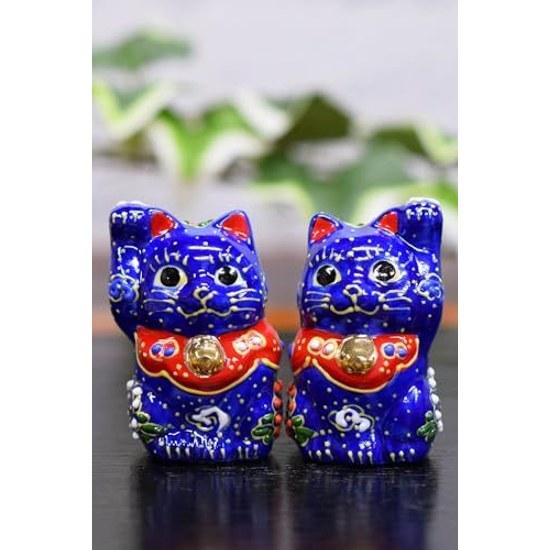

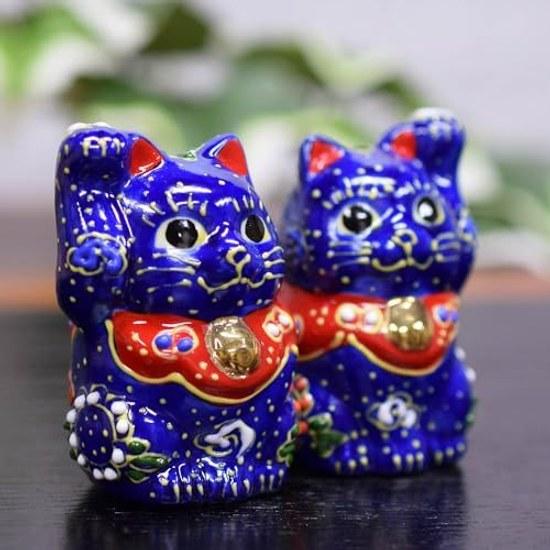
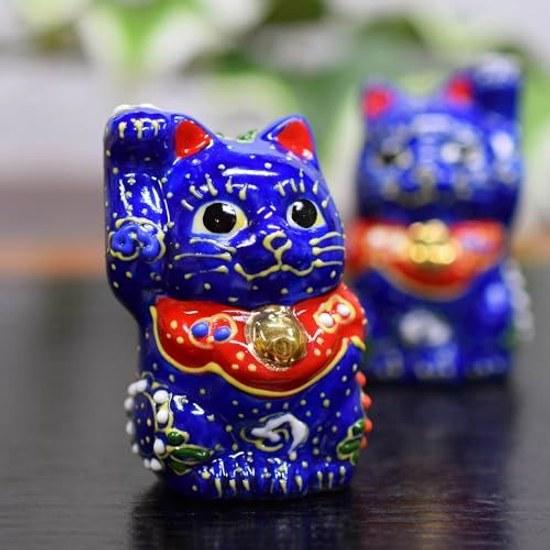
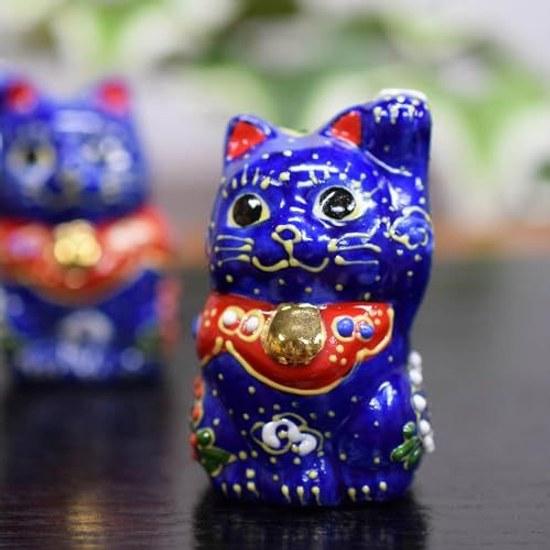
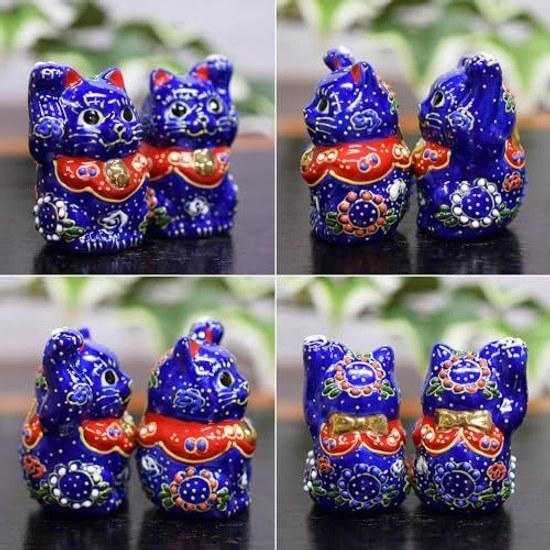
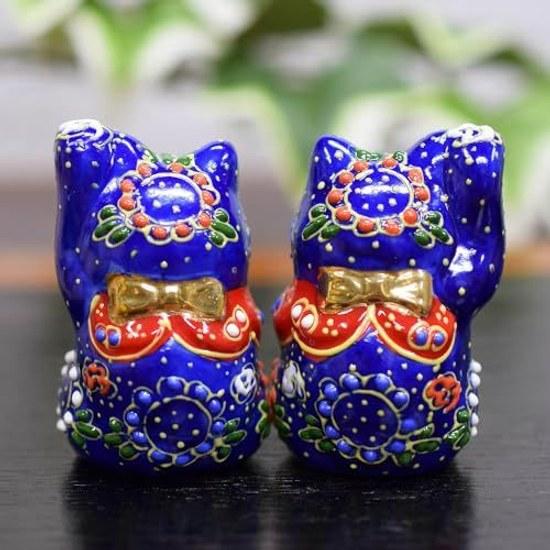
Waza no Kura Maneki Neko Figurine Kutani Ware Chibi Aomori-kun Opening Celebration Birthday Present Pair Gift
السعر الحالي
السعر 548.80 ر.س.جاري التحميل...
جاري التحميل...
جاري التحميل...
جاري التحميل...
جاري التحميل...
جاري التحميل...
جاري التحميل...
جاري التحميل...
جاري التحميل...
جاري التحميل...
جاري التحميل...
جاري التحميل...
جاري التحميل...
جاري التحميل...
جاري التحميل...

توصيل مجاني إلى المملكة العربية السعودية
22 أكتوبر
 منتج من اليابان
مدفوعاتك وخصوصيتك آمنة


 استرداد غير متعلق بالتوصيلكفالة الجودةاللوجستيات الآمنةحماية الخصوصية
الوصف


الأسئلة المتكررة
- ما طرق الدفع المتاحة في Joom؟تدعم Joom مجموعة واسعة من طرق الدفع المحلية والدولية للمتسوقين الأوروبيين، بما في ذلك بطاقات الخصم والائتمان (Visa، Mastercard، Maestro)، وPayPal، وApple Pay، وGoogle Pay، بالإضافة إلى خيارات خاصة بكل بلد مثل Klarna، وBLIK، وMultibanco، وMB WAY، وSEPA، وGiropay. تظهر الخيارات المتاحة عند الخروج وتختلف حسب البلد.
- هل يمكنني الدفع مقابل شراء مكلف بالتقسيط أو في وقت لاحق؟نعم، تتوفر خدمات الشراء الآن والدفع لاحقًا مثل Klarna وScalapay لبعض المشتريات ذات القيمة العالية، حسب بلدك ومبلغ الطلب وشروط المقدم.
- هل يمكنني تتبع طلبي؟نعم. يمكنك متابعة حالة توصيلها في تطبيق Joom أو على الموقع، وسيتم تحديثها مع تحرك الطرد.
- ماذا يحدث إذا لم يصل طلبي؟كل طلبية مشمولة بضمان توصيل Joom. إذا لم تصل طلبيتك بحلول تاريخ الضمان الموضح في تفاصيل طلبك، يرجى الاتصال بدعم Joom وسنقوم بإصدار استرداد كامل.
- هل من الآمن الدفع على Joom؟نعم. تستخدم Joom نظام دفع آمن، ولا يتم دفع الثمن للبائع حتى تستلم طلبك، مما يضيف طبقة إضافية من حماية الشراء.
- ماذا لو لم تصل طلبتي أو إذا لم يكن المنتج كما هو متوقع؟إذا لم يتم تسليم طلبك، أو وصل تالفًا، أو لم يتطابق مع وصفه، اتصل بدعم Joom — يمكن إصدار استرداد كامل في هذه الحالات.
- كيف يمكنني طلب استرداد؟افتح صفحة الطلب المعنية واتصل بدردشة الدعم، المتاحة على الموقع وفي تطبيق Joom. صف المشكلة واتبع تعليمات الدعم.
منتجات مشابهة





![Sometsuke Good Luck Lucky Cat Hand Size Hand Size Set of 2 [Auspicious Ornament/beckoning Cat] (right Up, 4.5) (left Up, 4.5)](https://img.joomcdn.net/a5711f726ca045c4b378b2f40aa58aec2c18fdfc_100_81.jpeg)
Waza no Kura Maneki Neko Figurine Kutani Ware Chibi Aomori-kun Opening Celebration Birthday Present Pair Gift في متجر Joom الإلكتروني مع تقييمات حقيقية من قبل المستخدمين. قم بشراء Waza no Kura Maneki Neko Figurine Kutani Ware Chibi Aomori-kun Opening Celebration Birthday Present Pair Gift بسعر مغري
التوصيل في جميع أنحاء أوروبا ورابطة الدول المستقلة وإسرائيل وأستراليا
تشكيلة عالمية
استرداد الأموال للطلبات المؤهلة ودعم العملاء على مدار الساعة طوال أيام الأسبوع
خصم على أول عملية شراء للعملاء الجدد