✪【Concrete Wallpaper Practicality】The wallpaper uses a retro design and can replace ceramic tiles, making it easy to create a unique wall.
✪【Concrete wallpaper is easy to clean】The wallpaper stickers are made of ethylene material, which is safe and environmentally friendly, thick and durable, waterproof, oil-resistant, stain-resistant, mildew-resistant, and easy to clean.
✪【Adhesive and Removable】The back of the wall sticker has adhesive, so you just need to peel it off and stick it on. When you remove the sticker, no adhesive will remain on the surface, making it suitable for wall repairs and furniture renovations. It is an economical and simple decoration method.
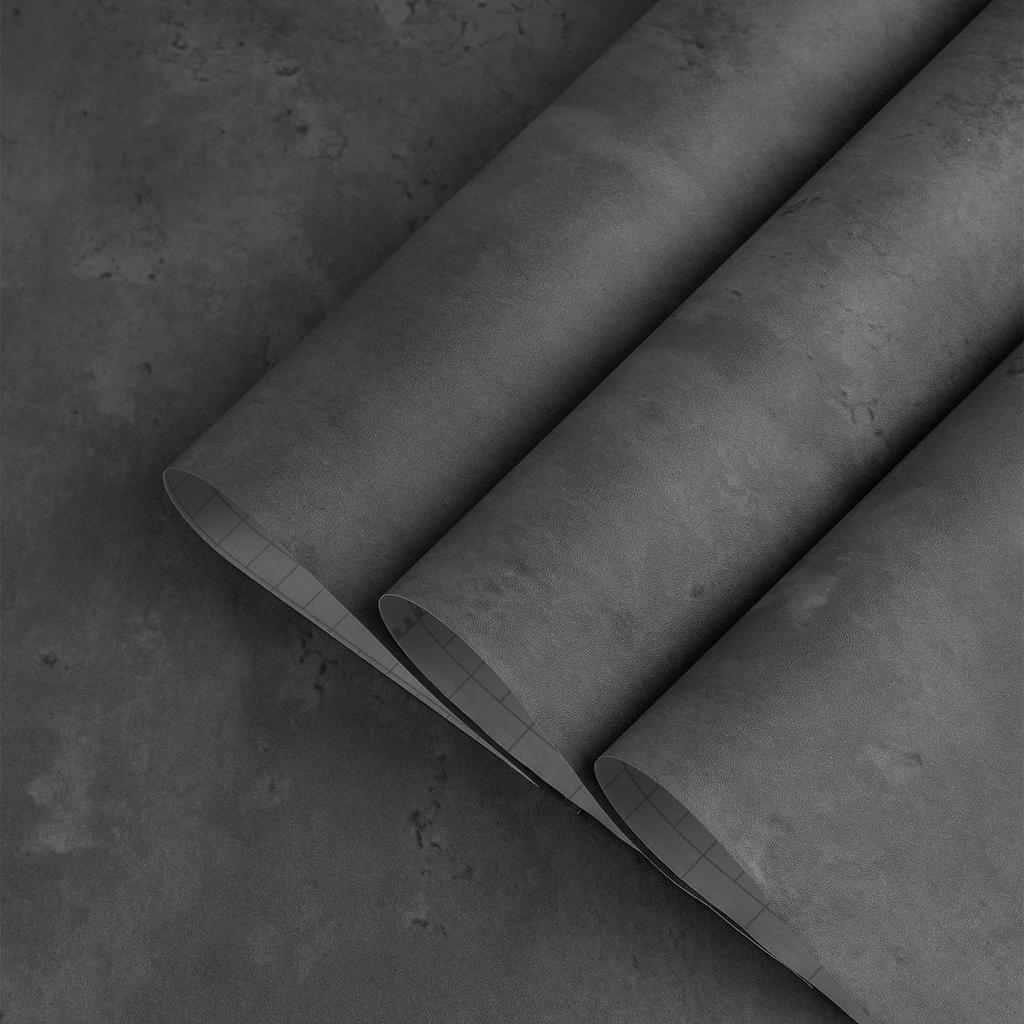
✪【DIY Concrete Wallpaper】The back of the wallpaper sticker has a mesh pattern, making it easy to measure and cut to any size. The remake sheet is self-adhesive and peels off, making installation easy. It's strong and easy to apply. Just a few steps: cut, tear, post, and peel. Even beginners can do it.
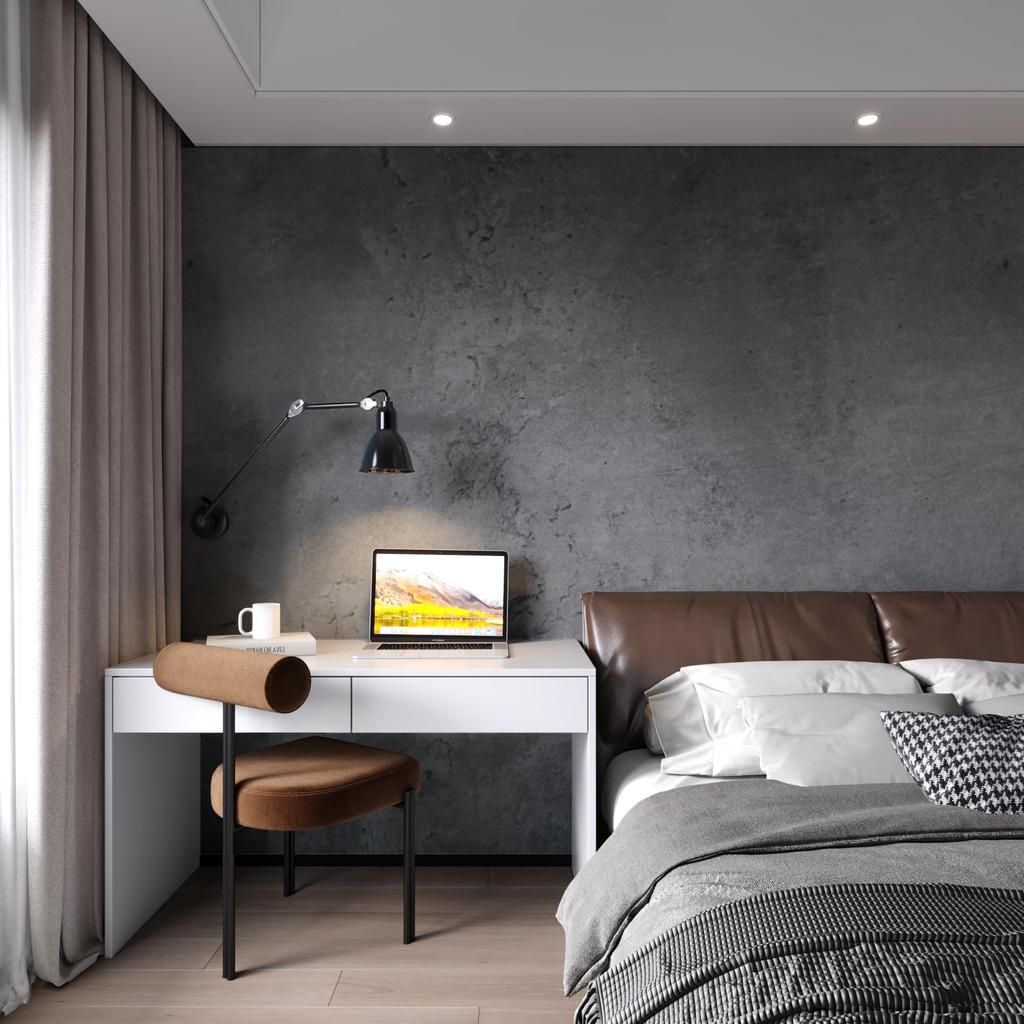
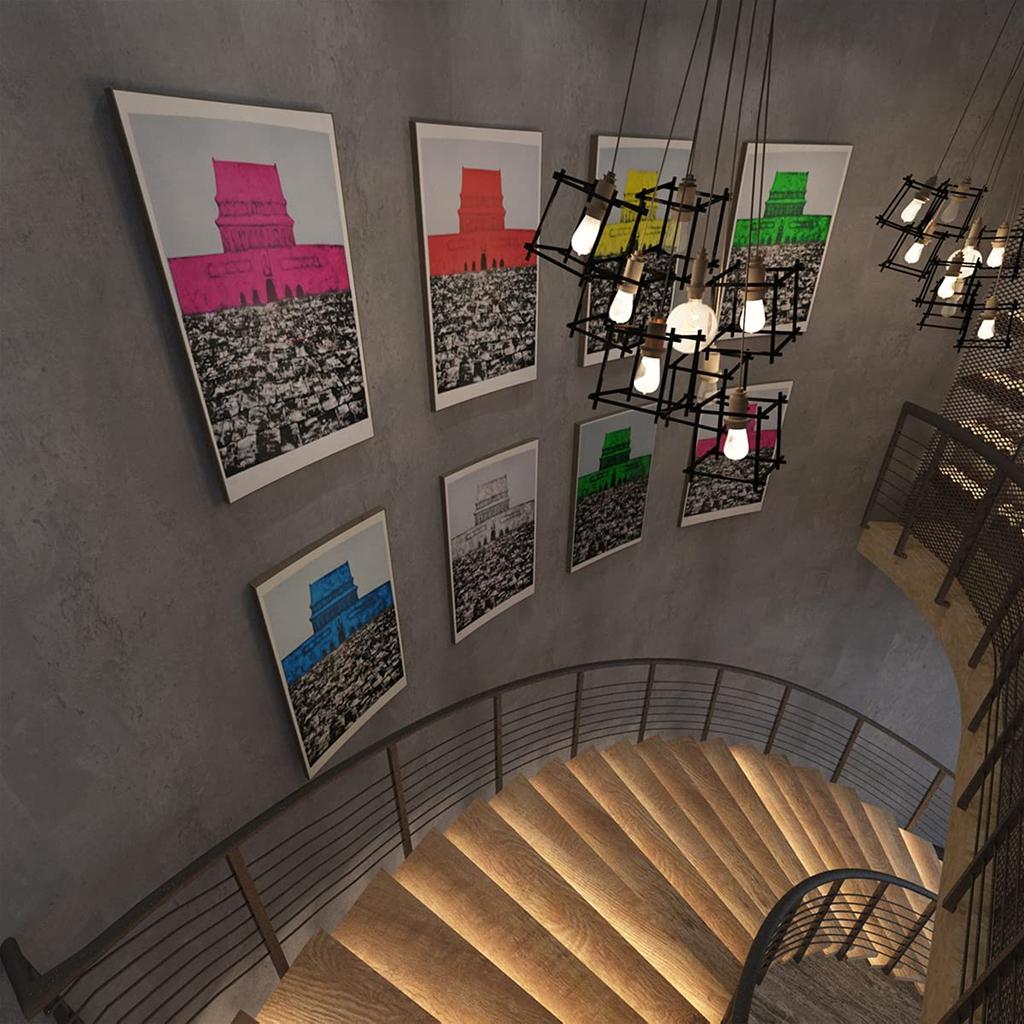
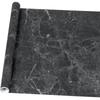
✪【Applicable Places】 Wallpaper remake sheet creates a realistic concrete visual effect and can be used to remake furniture, floors, and wall repairs, such as: shops, coffee shops, gyms, garages, reception rooms, kitchens, toilets, offices, bathrooms, Japanese-style rooms, and rental rooms.
The quiet, calm gray gives people a sense of timelessness and is well suited to industrial styles. The sharp contrast gives the entire space a strong sense of dramatic tension, creating a simple, high-end, and extremely sophisticated and elegant look.
Product Details:
Name: Industrial style wallpaper
Material: PVC (polyester)
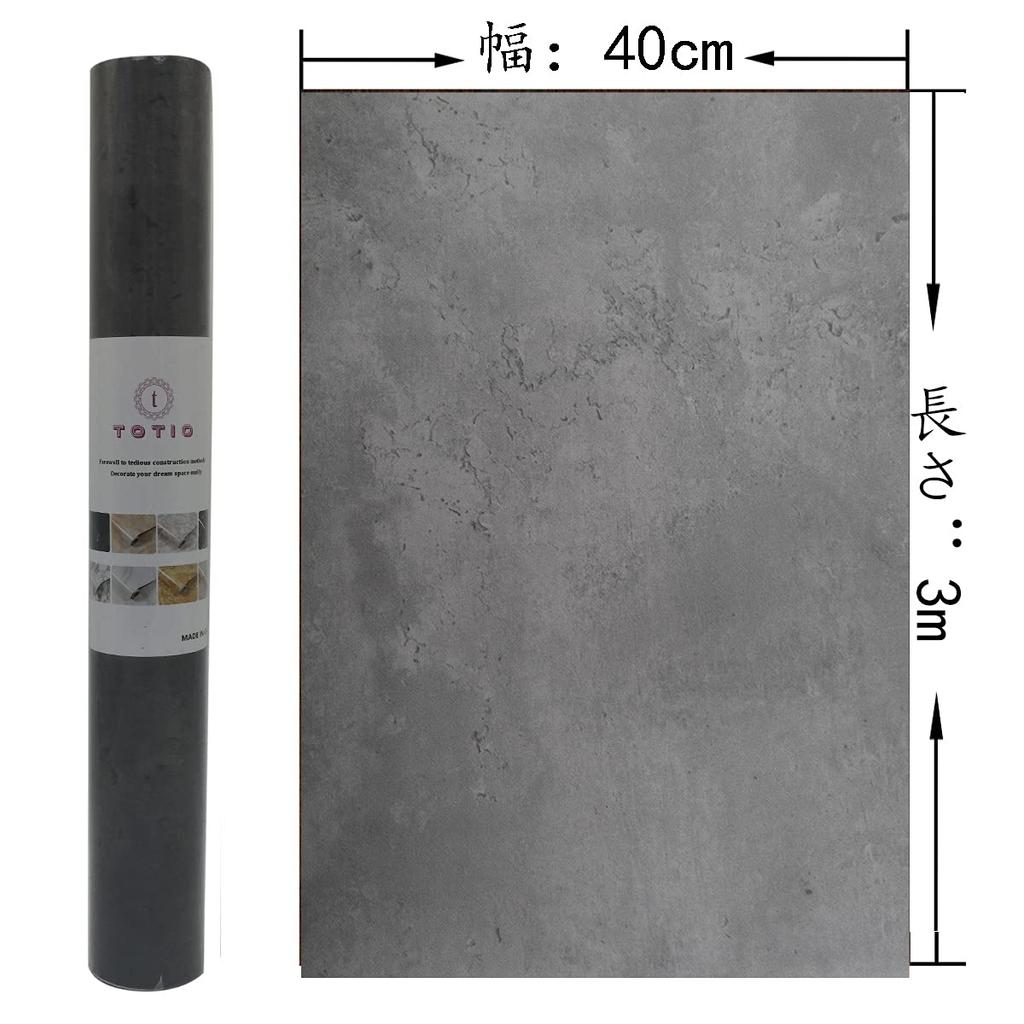
Size: 40CMx3M
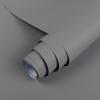
Color: Gray
Installation: Self-adhesive, just peel and stick (no additional glue required)
Thickness: Approximately 0.23 mm (thicker version upgrade)
Uses: Wall, floor, refurbished furniture decoration
Tools: ruler, cutter, rag
Set: 1 volume wallpaper
Installation Instructions:
1. Before application, clean the surface thoroughly and allow it to dry.
2. Measure the size and cut it with a thin-bladed cutter using a ruler, leaving an appropriate amount of space.
3. Peel off the release paper from the corner. Do not peel it all off at once.
4. When removing the release paper, use a spatula to apply pressure evenly from top to bottom, and continue peeling it off as you go. If there is any difference in the size of the paper, peel it off and re-apply it.
5. Once the entire surface is pasted, remove any unnecessary parts with a cutter (use a hair dryer to improve the adhesiveness of the corners).
6. If there are any air bubbles after application, poke a small hole with a needle to remove the air.
Presented by Atsushi:
Not suitable for water/oil/dust residue surfaces and irregular rough walls.




 Produkt aus Japan


 Rückerstattung bei Nichtlieferung







![X Premium Künstlich Hergestellt in Japan Leicht [155 100cm] Wildlederartiger Stoff, Leder, [Breit, Dehnbar, Dünn, Grau-Schwarz]](https://img.joomcdn.net/6a85b04ef40aa58aadb1f7566f9b146f234d90aa_100_75.jpeg)

