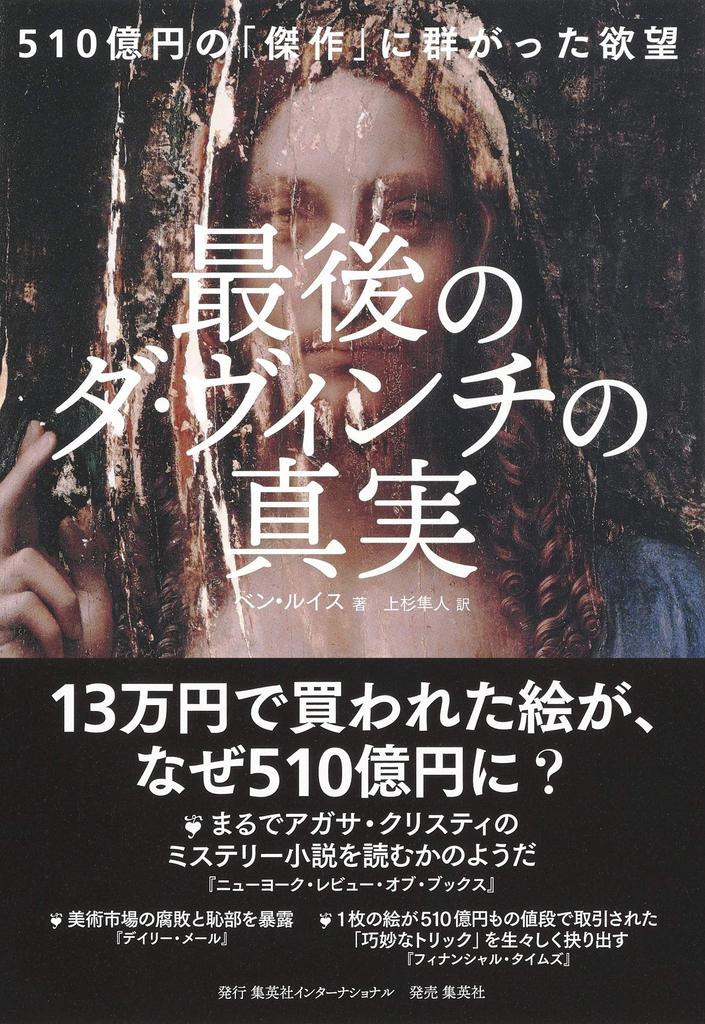
How did a painting that sold for 130,000 yen become worth 51 billion yen in 12 years?
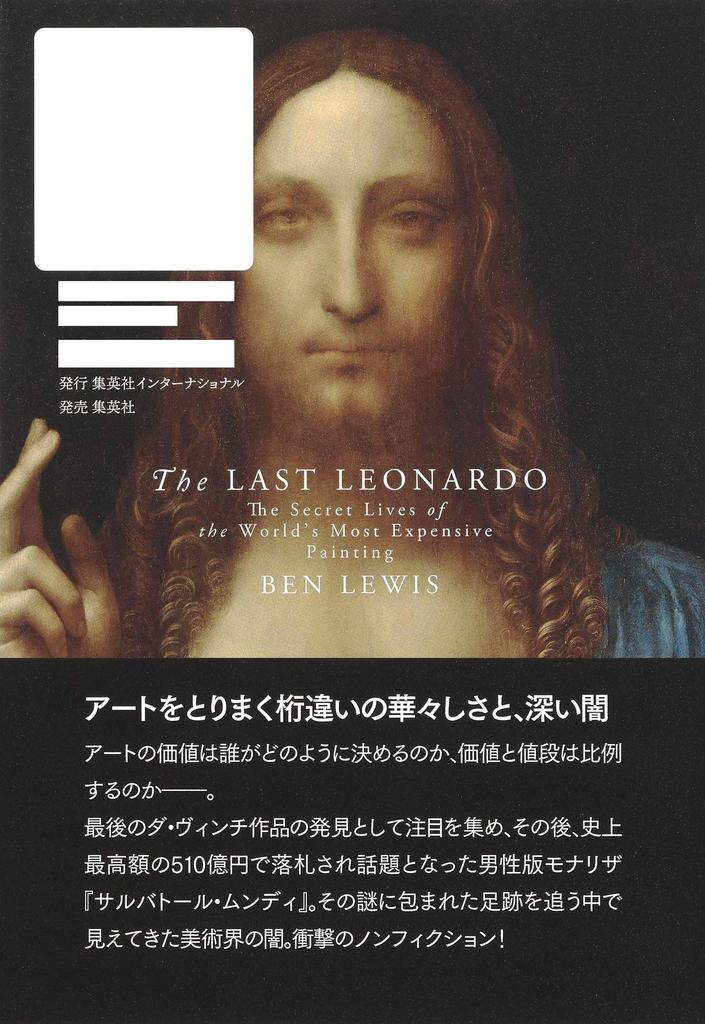
Who determines the value of art, and how? Is value proportional to price?
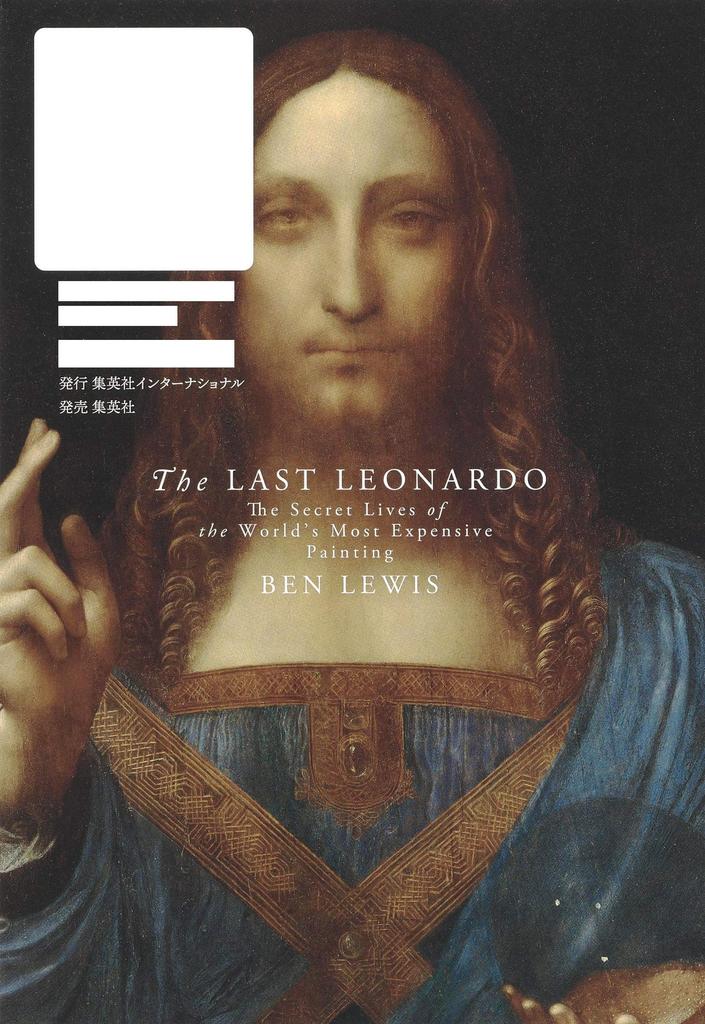
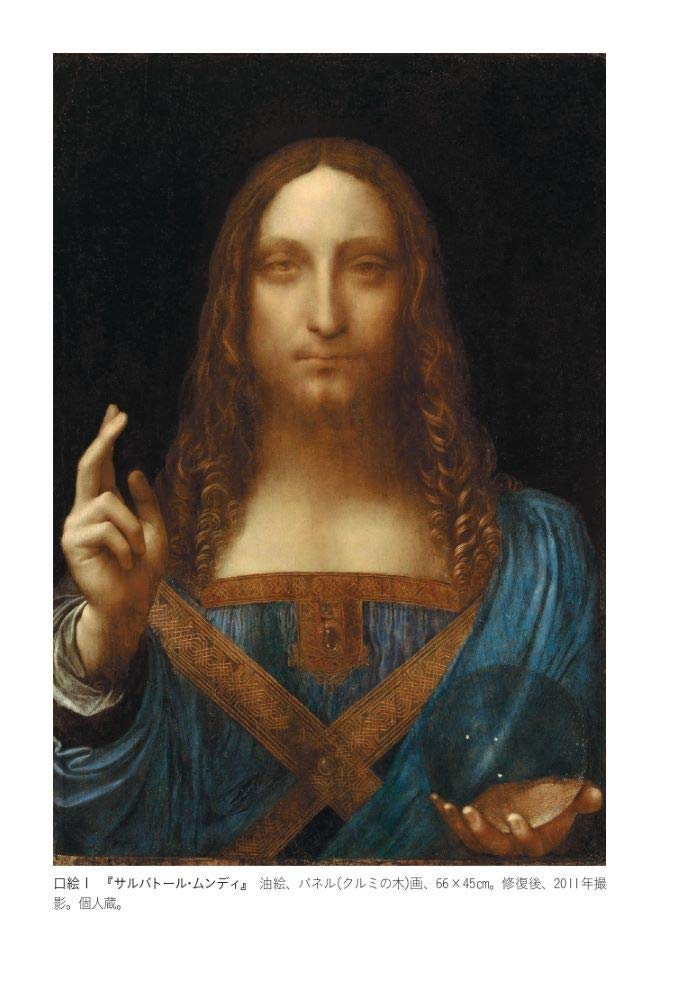
The "Salvator Mundi," the male equivalent of the Mona Lisa, attracted attention as the final discovery of Da Vinci's work and later sold for a record 51 billion yen at auction, creating a buzz.
Tracing its mysterious footsteps reveals the dark side of the art world. This is a shocking nonfiction book!
Gallerists, auctioneers, collectors, restorers, critics, and the ultra-wealthy who secretly buy and sell paintings using freeports in tax havens—what lies beyond the various desires that flocked to this 51 billion yen "masterpiece"?
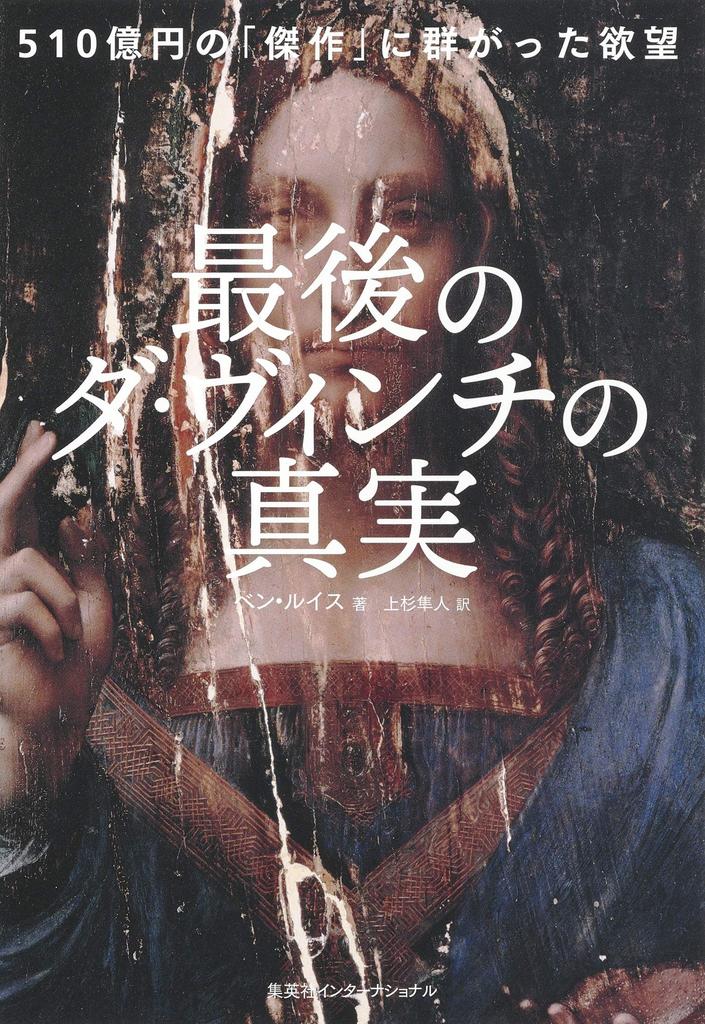
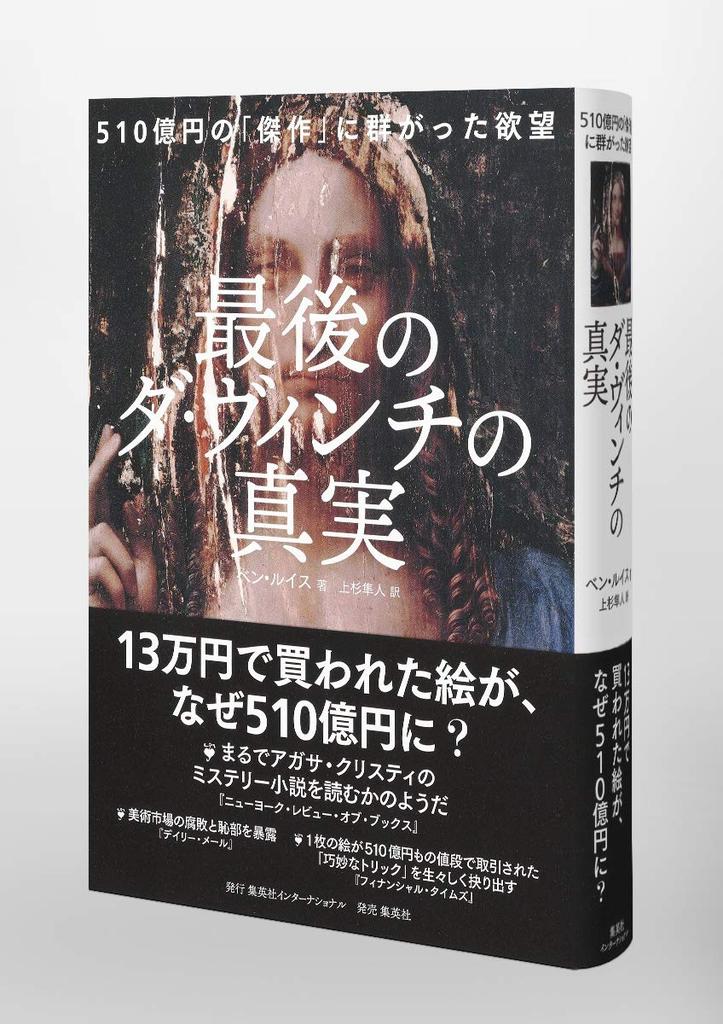
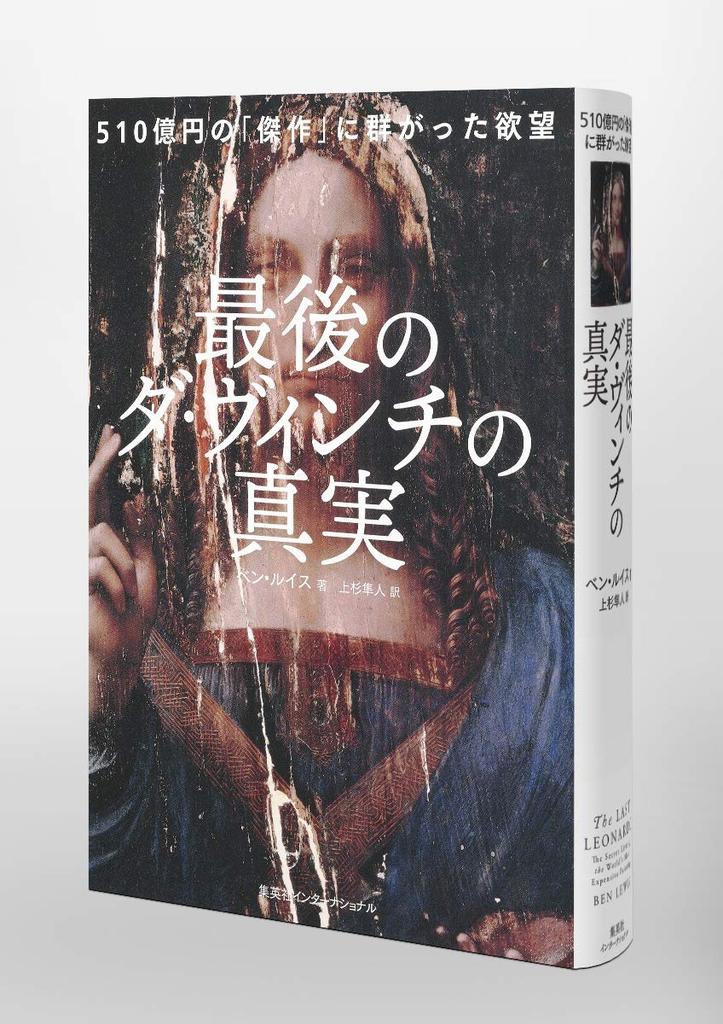
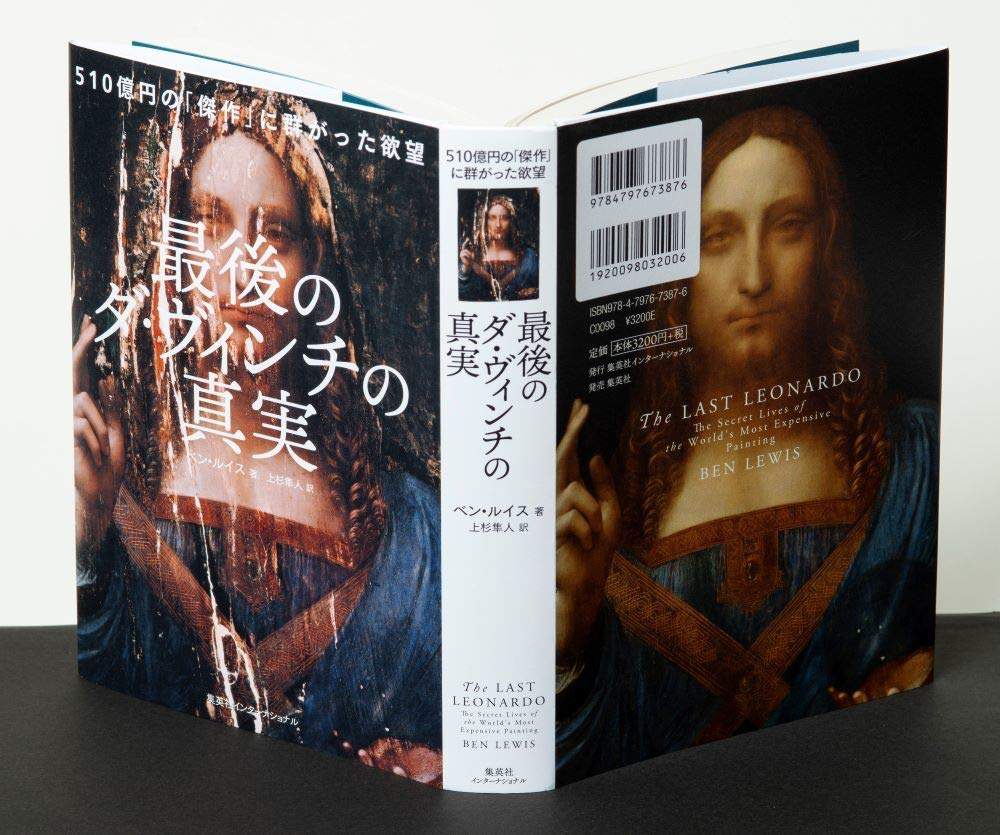
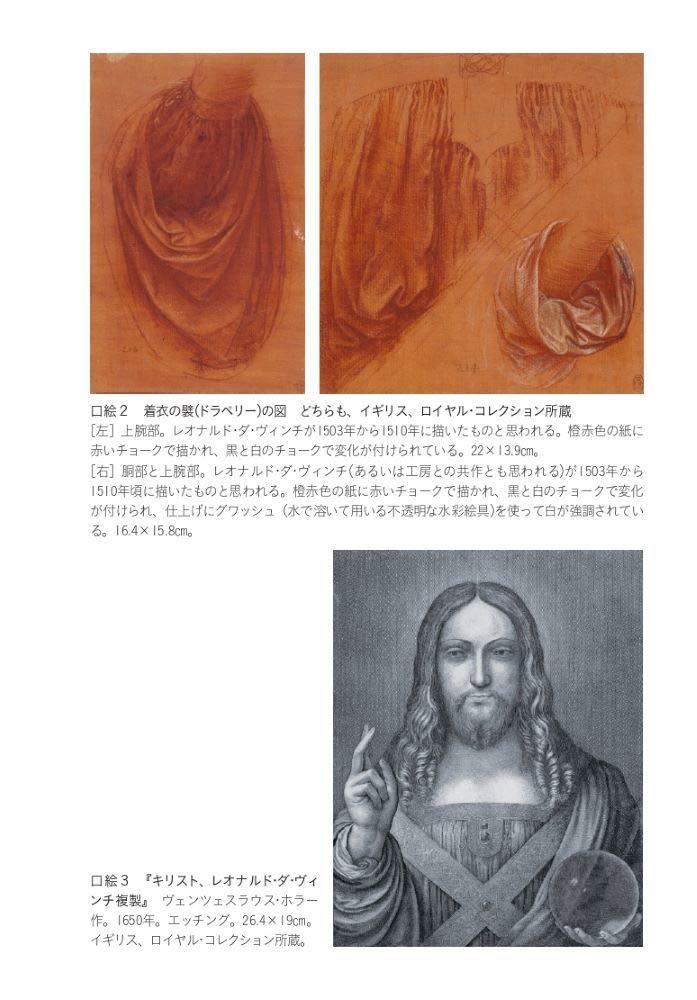
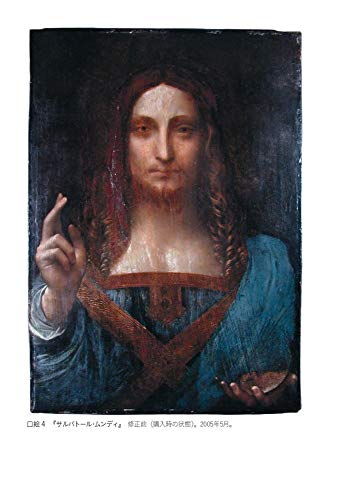
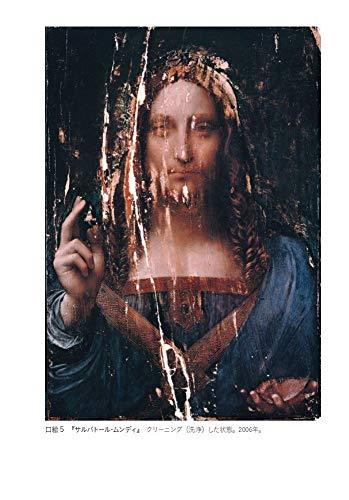
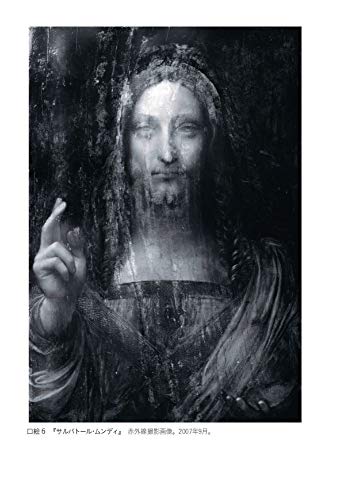
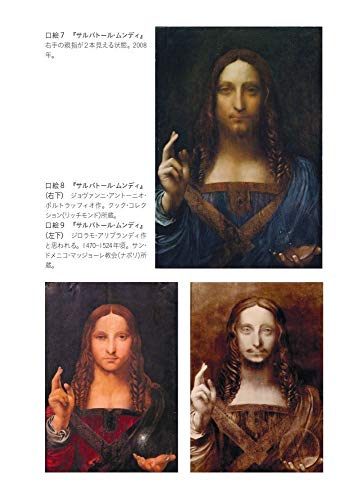
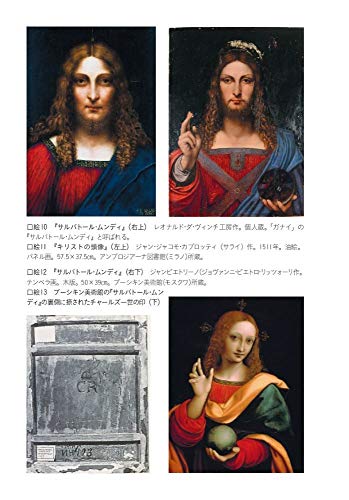
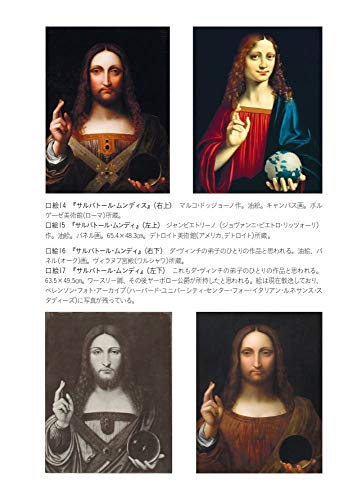
This book features numerous rare color images, including images of the painting in its "wrecked" state before restoration, as well as sketches Da Vinci drew for "Salvator Mundi," and reproductions made by his disciples.
[Contents]
Interest in Leonardo da Vinci is growing 500 years after his death. His legendary masterpiece, "Salvator Mundi (Savior of the World)," first appeared on the art market for the first time in 100 years and initially sold for just $1,175 (approximately ¥130,000). Twelve years later, in 2017, it was sold at Christie's auction for $450.3 million (approximately ¥51 billion), the highest price ever paid for a work of art.
Da Vinci's last privately owned work, this masterpiece had been missing for many years. Where did it go? Who bought it? And is it even a genuine Da Vinci work? The world has turned its attention to this mysterious "male Mona Lisa."
This program traces in detail how this small painting of Christ, created around 1500, came into the hands of an unknown, well-meaning American art lover in the 20th century after the execution of King Charles I of England in 1649, and its subsequent reemergence into the public eye.
After the "wrecked" work was restored, it was deemed authentic. Its owner, a Russian billionaire, put it up for auction again, where it was purchased by a mysterious Saudi Arabian. Behind the scenes, like a mystery novel, various people and organizations lurked, intertwining history, economics, and politics!
[Profile]
Author: Ben Lewis
Based in his native Britain, he is active as an author, documentary filmmaker, and art critic.
His books include "Hammer and Tickle" (2008), which lampoons the communist regime, and the documentary film and television series "Art Safari" (2003-2005), which discusses contemporary art.
Translator: Hayato Uesugi
Translator (English-Japanese, Japanese-English), editor, and lecturer in English and translation. He graduated from the Department of English Language and Literature at Waseda University's School of Education, and completed the Department of English Language and Literature (the predecessor of the current graduate school).
His translations include "Star Wars" [complete series, I-IX] and "Avengers: Endgame" (Kodansha), among many others.





![Culture As Art: Kimiyo Koshikawa's Art Collection [1978-2025] 40 Pieces Included](https://img.joomcdn.net/c05e8aceb6252db5989722ef70ac8b4e1ff93eb3_84_100.jpeg)




![Illustrated History of Sexuality In Japan [4th Edition]](https://img.joomcdn.net/e9f9f8c0d03a86237ca6f66bc02c91e55b337010_70_100.jpeg)
