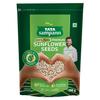
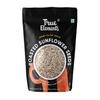
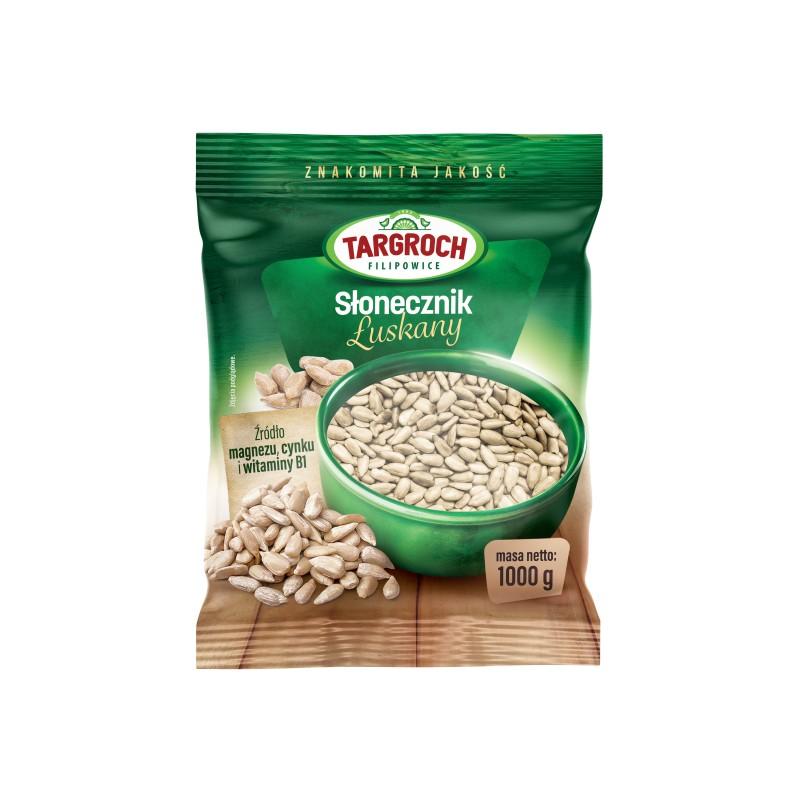
HELLED SUNFLOWER SEEDS One of the most beautiful cultivated and ornamental plants, with applications as interesting as its visual appeal. In Polish fields, it blooms in mid-summer, decorating flowerbeds until late autumn. Sunflower seeds are exceptionally crunchy and nutritious. Once carefully shelled from their hard black and white husks, today they are available shelled, in a convenient, compact form. Helianthus annuus - sunflowers In color and shape, they resemble a warm, radiant sun. Beyond their typical morphological characteristics, they possess a distinctive feature. During the day, they always turn their basket, or flower, towards the sun – hence their name, sunflowers. Interestingly, these plants are not only ornamental – their uses are very wide, thanks to which virtually no part is wasted. Sunflowers are primarily used for oil production, for both food and cosmetic purposes. The pomace produced during this process often becomes an ingredient in animal feed. Even the inconspicuous stems of sunflowers have found uses, being used in China for papermaking. However, it is the seeds that seem to be the most valuable – their antitussive and cold-fighting properties are used in natural and folk medicine. In the Middle East, on the other hand, a tincture is prepared from them to relieve fevers. Good luck – good health! The wide range of nutritional uses of sunflower seeds combines a pleasant taste and interesting texture with a beneficial fuel for the body. They are one of the richest sources of vitamin E – an antioxidant, known as the vitamin of youth and fertility. Additionally, these small, gray seeds contain a wealth of macro- and micronutrients, amino acids, and phytosterols – which help lower LDL cholesterol. One of these amino acids is tryptophan, responsible for the production of serotonin – the happiness hormone. Shelled sunflower seeds are a source of zinc, phosphorus, magnesium, potassium, calcium, and iron, among other nutrients. They should be eaten primarily by healthy snackers, vegetarians, and those with a sweet tooth – due to their high protein content, which is a source of energy and muscle building. Besides their nutritional value, a huge advantage of sunflower seeds is their low price. Sunflower seeds – not just for savory! At first glance, sunflower seeds are simply a tasty, crunchy appetizer and a healthy alternative to fatty chips and calorie-laden salty sticks. In reality, however, this product offers a wealth of culinary possibilities. They're easiest to add to oatmeal or – after roasting in a dry pan – top any vegetable salad with. With a little effort, you can also make vegan cottage cheese or a spread from shelled sunflower seeds by soaking them overnight and then blending them with spices. Another interesting idea is making halva or butter from roasted sunflower seeds. These suggestions, although they sound a bit exotic and time-consuming, are simple to make and definitely worth trying. Ingredients Shelled sunflower seeds Storage Store in a cool, dry place, in a tightly closed container. Uses Shelled sunflower seeds are the most commonly added ingredient to many food products. Their pleasant flavor makes them a favorite for breakfast, with yogurt, kefir, or as an addition to muesli. Sunflower seeds are also used in baking and confectionery. Seeds can also be added to salads, raw vegetables, or eaten on their own as a nutritious snack. Sunflower seeds are a natural source of: > Thiamine (Vitamin B1) – helps in the proper functioning of the nervous system > Magnesium – contributes to the reduction of tiredness and fatigue. > Zinc – helps maintain healthy hair, skin, and nails.

 Produit de la Pologne


 Remboursement en cas de non-livraison