האתר לא תומך בדפדפן שלכם. בבקשה תעדכנו את הדפדפן או שתתקינו אחר

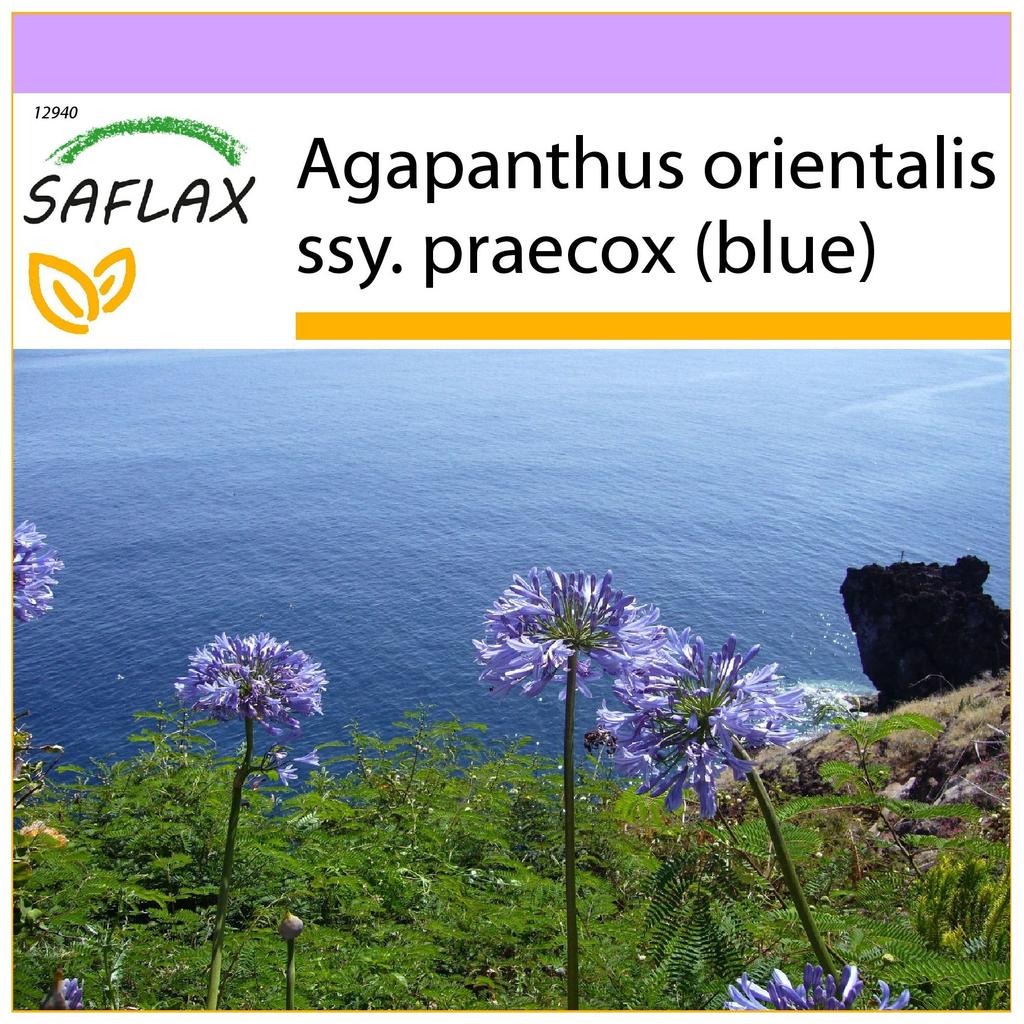

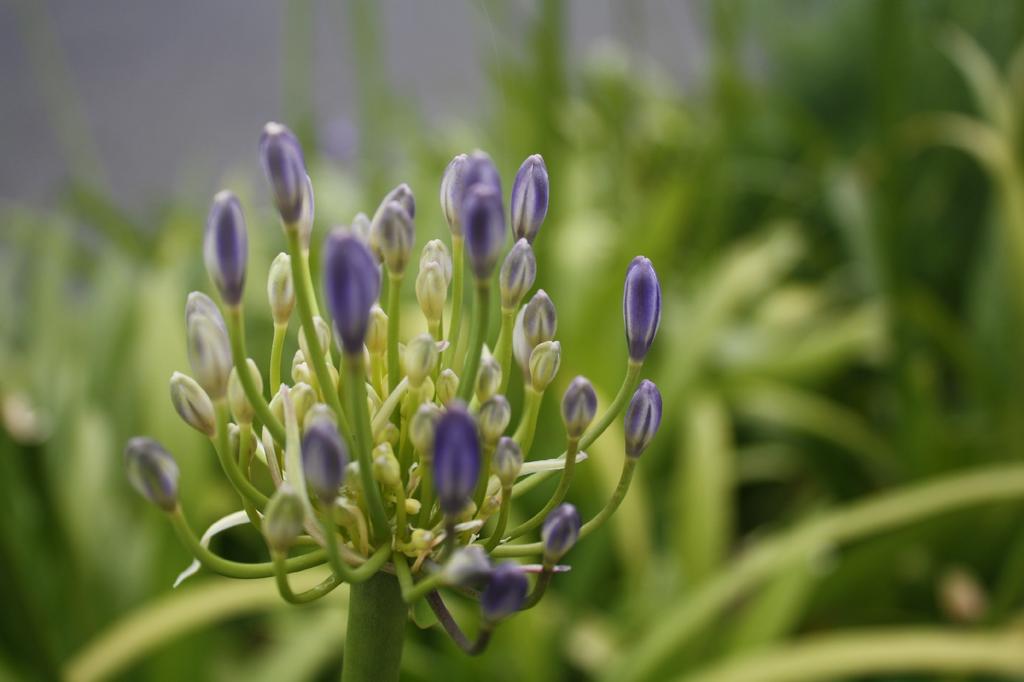
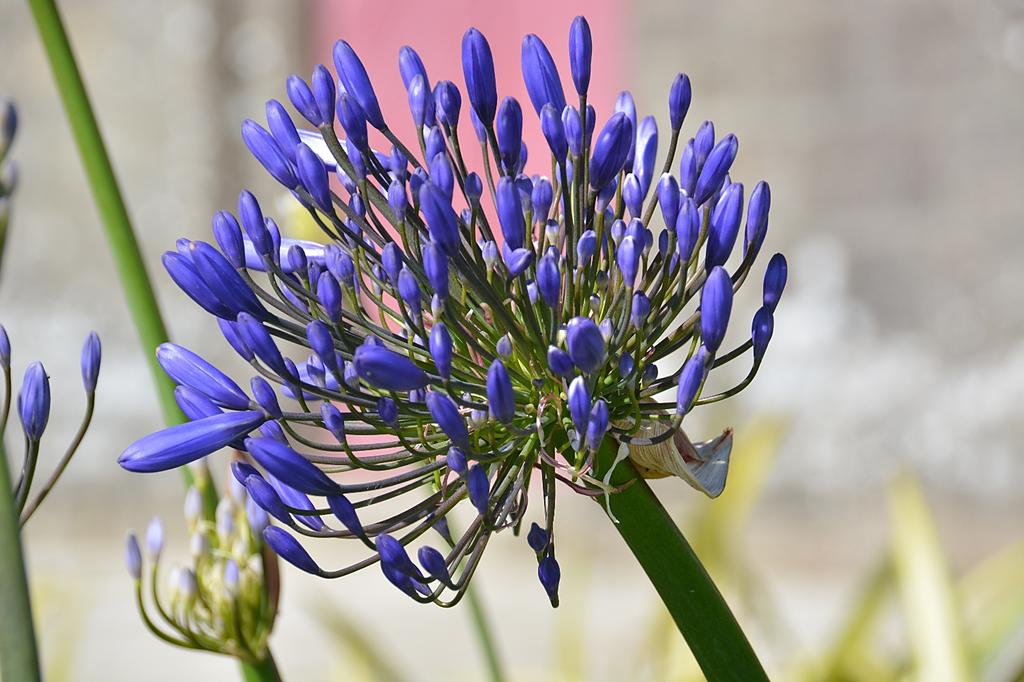
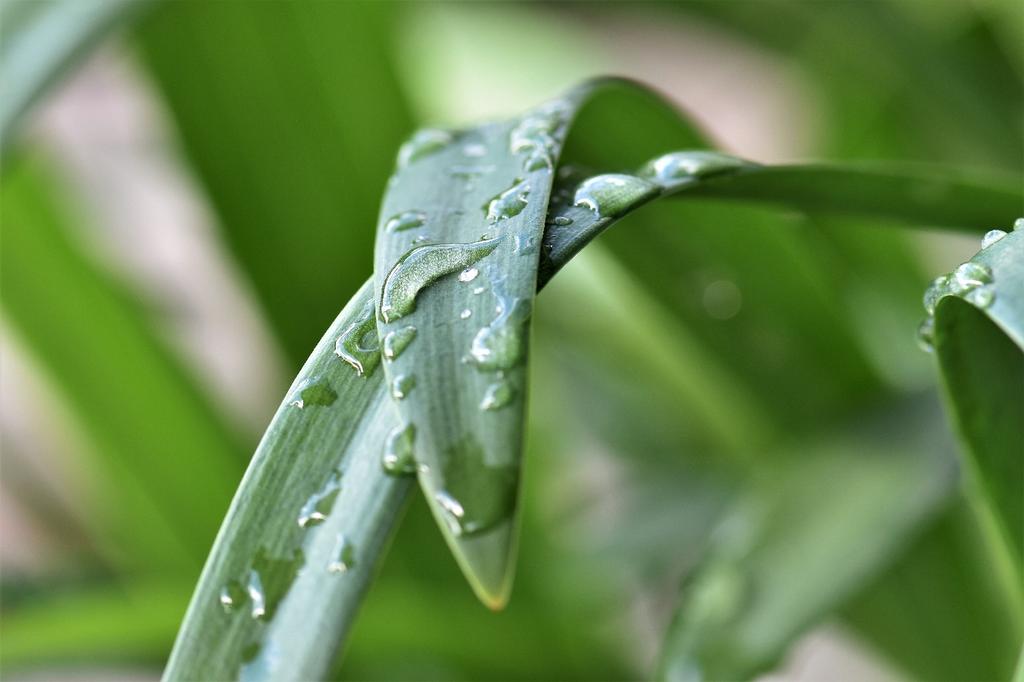
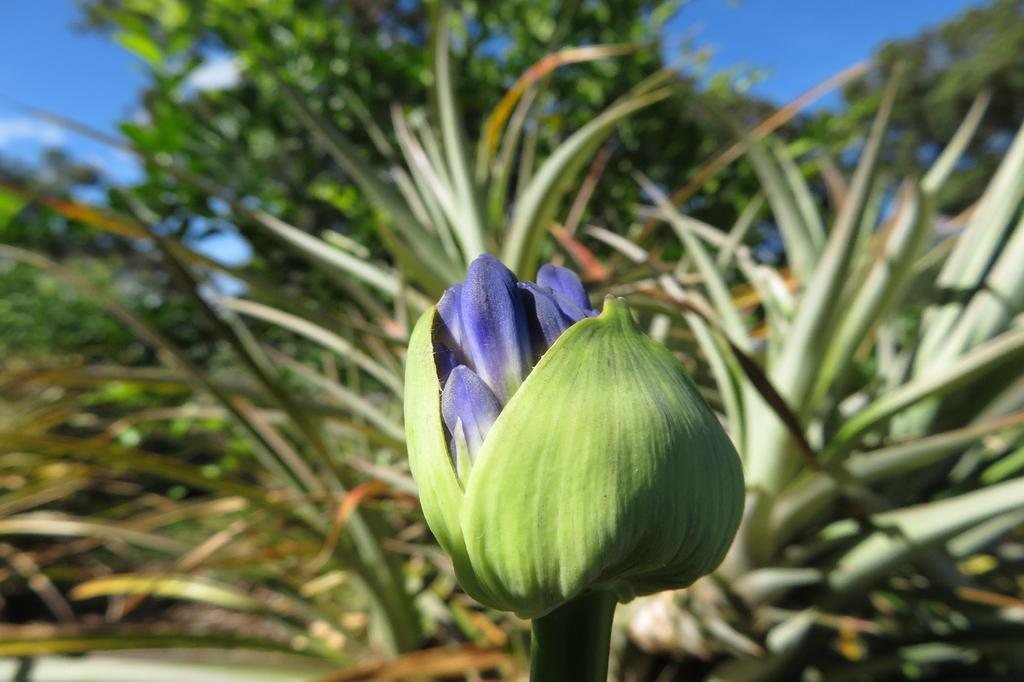


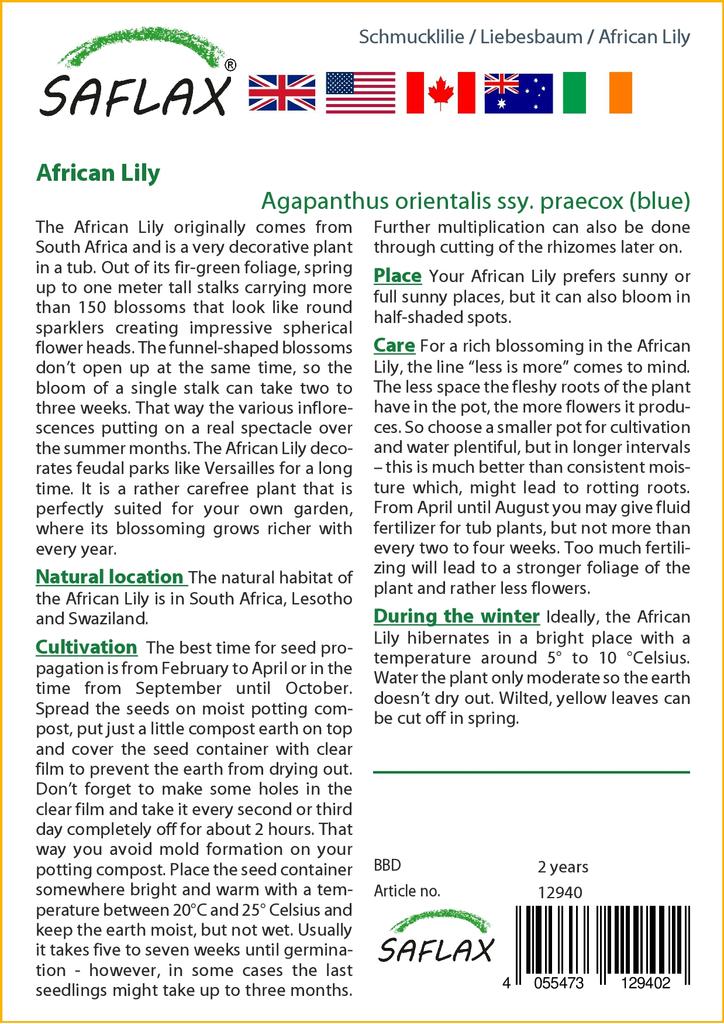
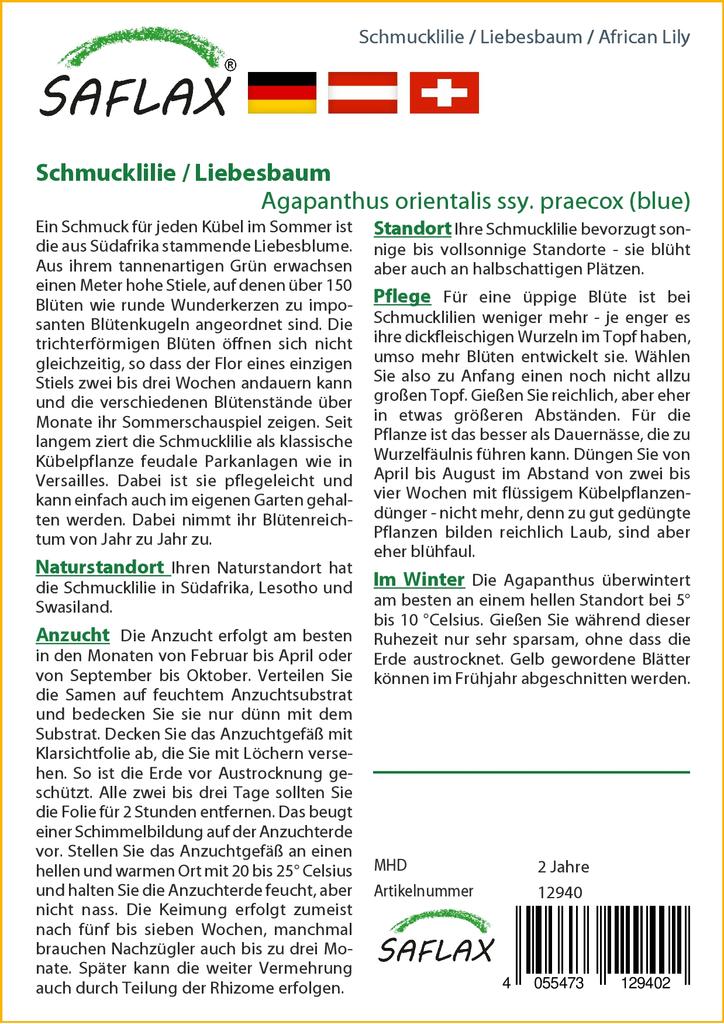
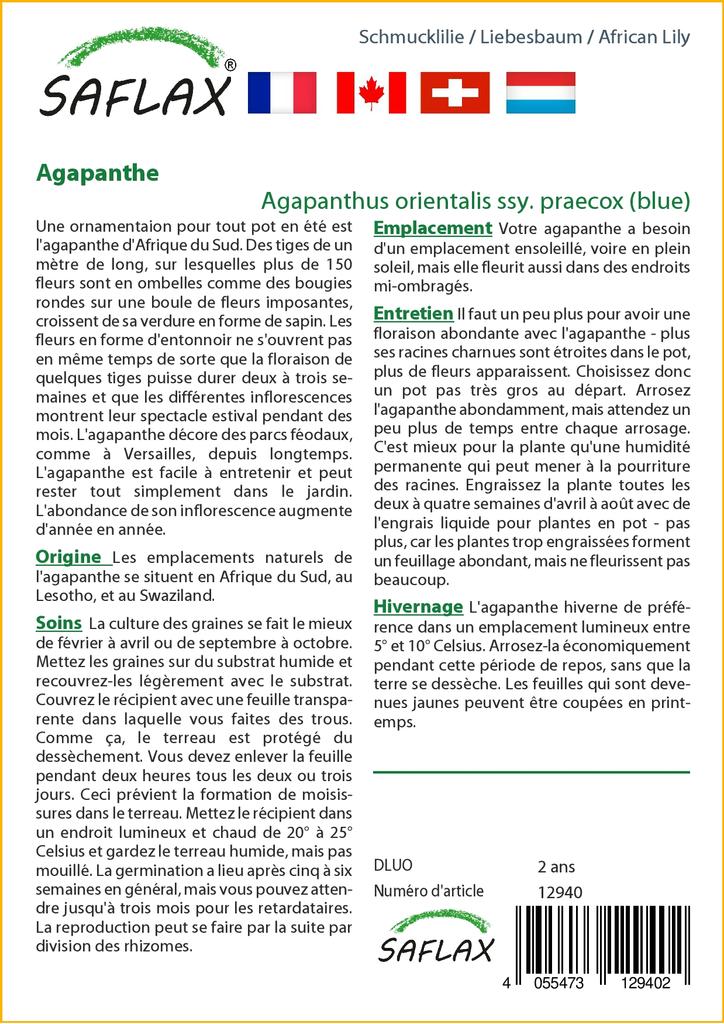
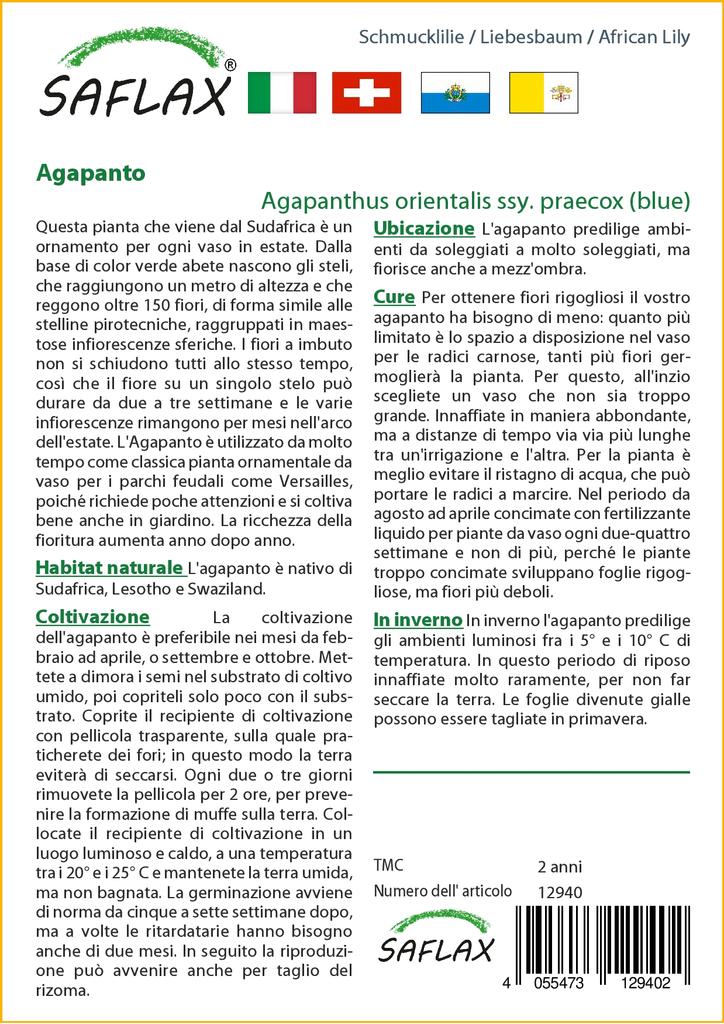
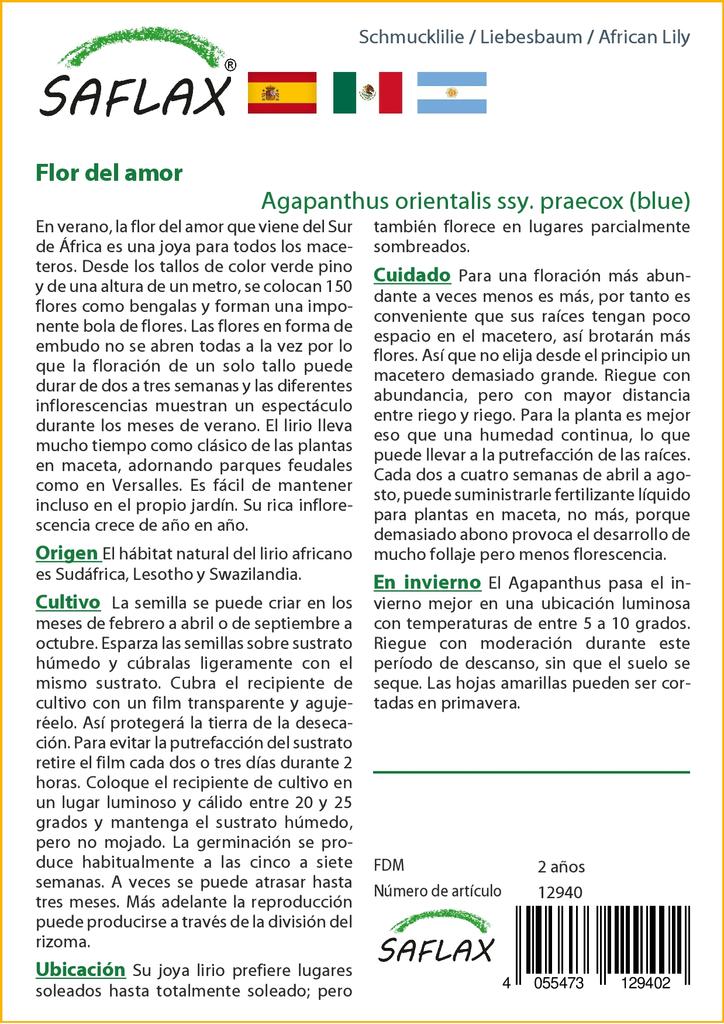
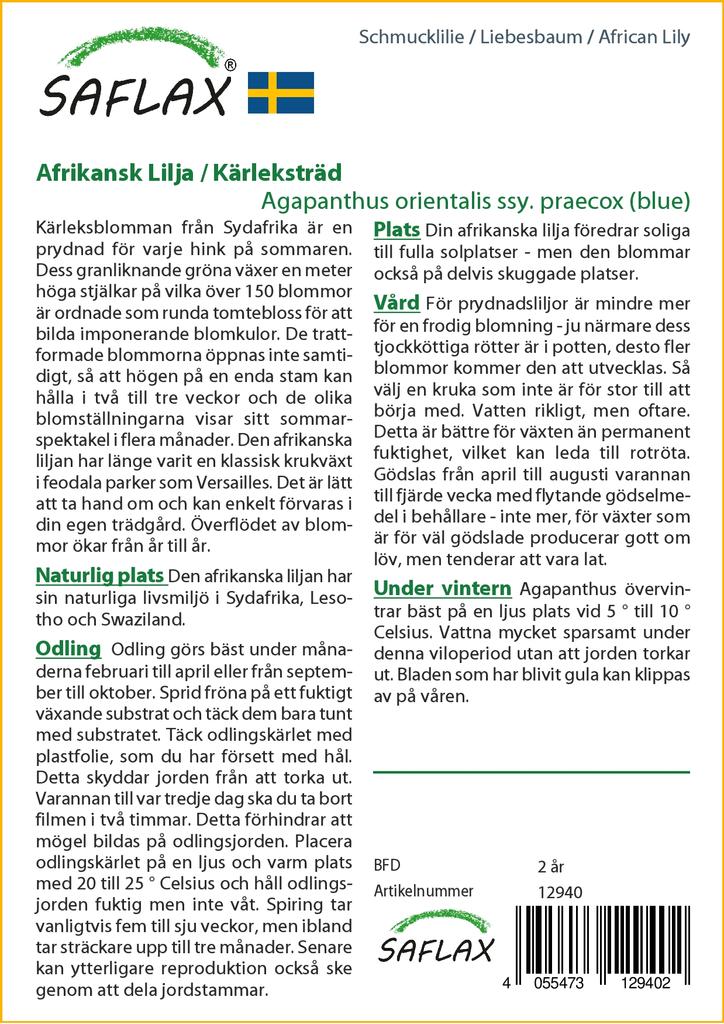
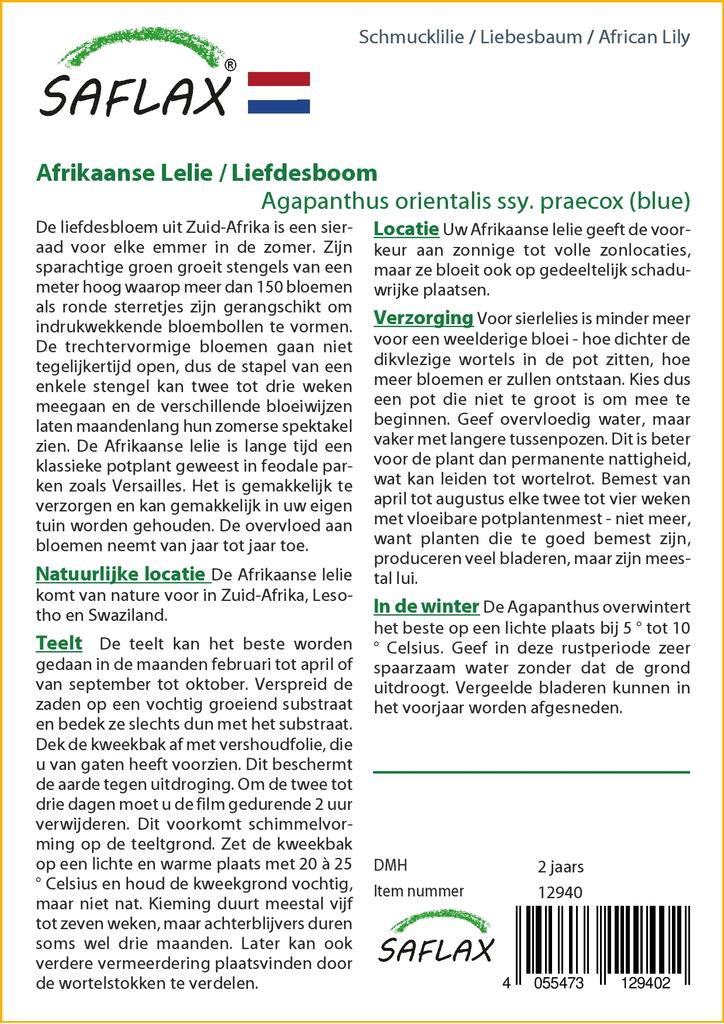
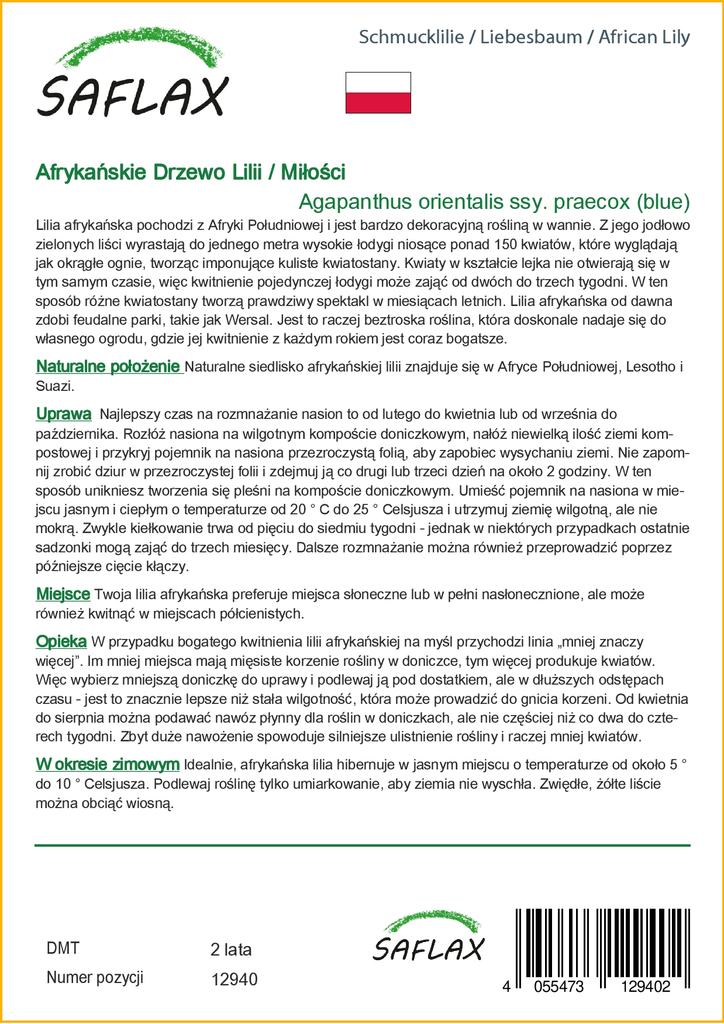
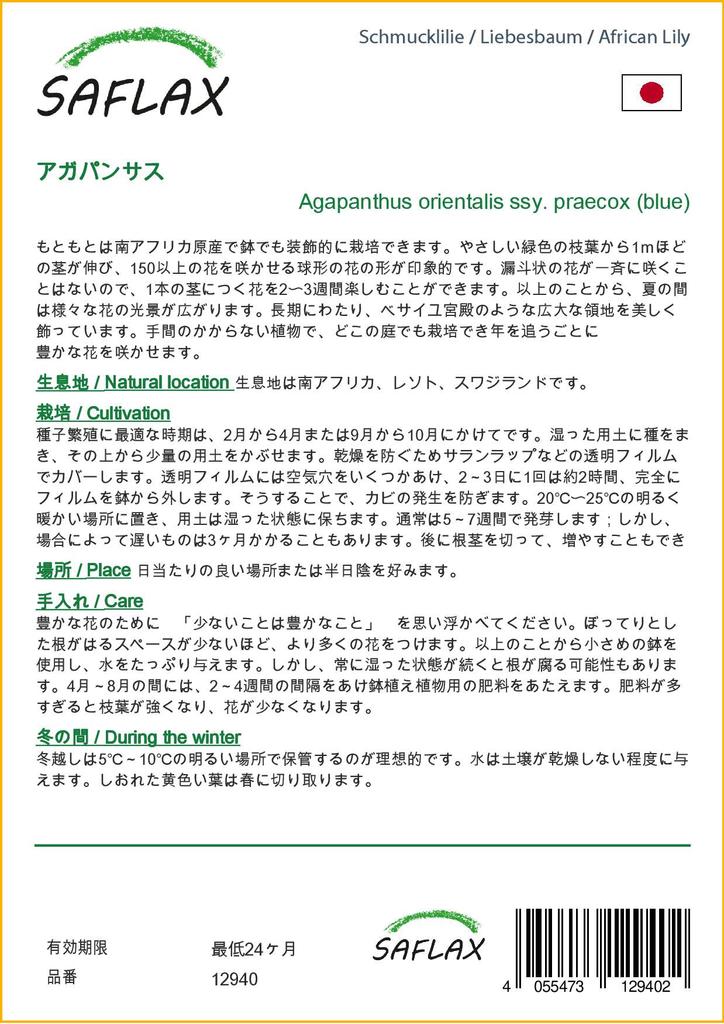
SAFLAX - African Lily - 50 seeds - Agapanthus orientalis
מחיר נוכחי
מחיר 38.40 ₪טוען...
טוען...
טוען...
טוען...
טוען...
טוען...
טוען...
טוען...
טוען...
טוען...
טוען...
טוען...
טוען...
טוען...
טוען...
- VASROCK V-Logo Ball Cap Khaki
- Red and Yellow Brocade Buddha Jewelry Pouch - Wengwan Drawstring Bag
- Water-Repellent RFID Anti-Theft Crossbody Bag – Multi-Functional Travel Passport & ID Holder for Men and Women
- Simple Spider-Man for iPhone16promax mobile phone case 15Pro animation 14 colored silver case 12 men's 11
- Garnier Fruities Dry Hair Duo-Effect Hair Oil 150Ml
- Automotive Film Sticking Tool Silicone Soft Scraper Film Pasting Construction Scraper Triangular Silicone Scraper
- Yellowstone Cutthroat T-Shirt Classic Basic Casual T-Shirt
- 4WD Front Axle Disconnect Actuator For Toyota Tundra 5.7L 600-420 2007-2021
- 1PCS Watermelon Cutter Slicer Stainless Steel Fruits Slicing Tool with Non-Slip Handle Labor-Saving Fruit Knife Kitchen Tools
- Baseus Dual Type-C PD 100W Fast Charging Cable

משלוח חינם לישראל
6 בספטמבר
 מוצר מגרמניה
תשלום מאובטח והגנת נתונים


 החזר על אי אספקהאחריות על איכותלוגיסטיקה בטוחההגנת פרטיות
תיאור


שאלות נפוצות
- אילו אמצעי תשלום זמינים ב-Joom?Joom תומכת במגוון רחב של שיטות תשלום מקומיות ובינלאומיות לקונים אירופאים, כולל כרטיסי חיוב ואשראי (ויזה, מאסטרקארד, מאסטרו), PayPal, Apple Pay ו-Google Pay, בנוסף לאפשרויות ייחודיות למדינה כמו Klarna, BLIK, Multibanco, MB WAY, SEPA ו-Giropay. האפשרויות הזמינות מוצגות בקופה ומשתנות לפי מדינה.
- האם אני יכול לשלם עבור רכישה יקרה בתשלומים או מאוחר יותר?כן, שירותי "קנה עכשיו, שלם אחר כך" כמו Klarna ו-Scalapay זמינים עבור רכישות בעלות ערך גבוה יותר, בהתאם למדינה שלך, סכום ההזמנה ותנאי הספק.
- האם אני יכול לעקוב אחרי ההזמנה שלי?כן. ניתן לעקוב אחר סטטוס המשלוח באפליקציית Joom או באתר האינטרנט, והוא יתעדכן ככל שהחבילה מתקדמת.
- מה קורה אם ההזמנה שלי לא מגיעה?אם ההזמנה שלך לא מגיעה עד לתאריך האחריות על המשלוח, צור קשר עם תמיכת Joom ונחזיר לך 100% מהסכום. אנא יידע אותנו אם ההזמנה שלך לא הגיעה עד התאריך המשוער ואנחנו נשמח להחזיר לך את כספך.
- האם בטוח לשלם ב-Joom?כן. Joom משתמשת במערכת תשלום מאובטחת, והמוכר לא משלם עד שתקבל את ההזמנה שלך, מה שמוסיף שכבת הגנה נוספת לרכישה.
- מה אם ההזמנה שלי לא תגיע או שהמוצר לא יהיה כמו שציפיתי?אם ההזמנה שלך לא הומצאה, הגיעה פגומה, או שאינה תואמת את התיאור שלה, פנה לתמיכה של Joom - החזר כספי מלא יכול להתבצע במקרים אלה.
- איך לבקש החזר כספי?פתח את עמוד ההזמנה הרלוונטי וצור קשר עם צ'אט התמיכה, הזמין באתר ובאפליקציית Joom. תאר את הבעיה ועקוב אחר הוראות התמיכה.
מוצרים דומים







SAFLAX - African Lily - 50 seeds - Agapanthus orientalis בחנות המקוונת של Joom עם ביקורות אמיתיות של משתמשים. לקנות SAFLAX - African Lily - 50 seeds - Agapanthus orientalis במחיר מציאה
משלוחים ברחבי אירופה, חבר המדינות, ישראל ואוסטרליה
מבחר בינלאומי
החזרים כספיים להזמנות זכאיות ותמיכת לקוחות 24/7
הנחה על הרכישה הראשונה ללקוחות חדשים