[Important Note - For Overseas Customers]
Thank you for purchasing this product. Please read the following important notes carefully before using this product overseas.
1. Legislation and safety standards
This product complies with Japanese safety standards. Please check compatibility with local regulations and safety standards before use in your country.
Certain product categories (electronics, cosmetics, food, etc.) may require certification from the importing country.
2. About electrical products
[Voltage compatible]
When using electrical appliances, please note that they are designed according to Japanese voltage specifications (90-110V), so using them at a different voltage may cause malfunctions.
[Plug type]
Our products use the Japanese plug type (A type or B type).
Please use a conversion adapter if necessary.
[Important notes regarding transformers and adapters]
A transformer adjusts the voltage to suit the requirements of the equipment.
Conversion adapters only change the shape of the plug and do not adjust the voltage.
Using only the conversion adapter without a transformer may damage the product.
[About responsibility]
We are not responsible for any failure or damage caused by improper usage, such as operating the product without a transformer.
3. Language and manual
Product instructions and displays may only be in Japanese.
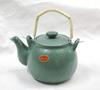
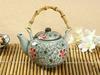
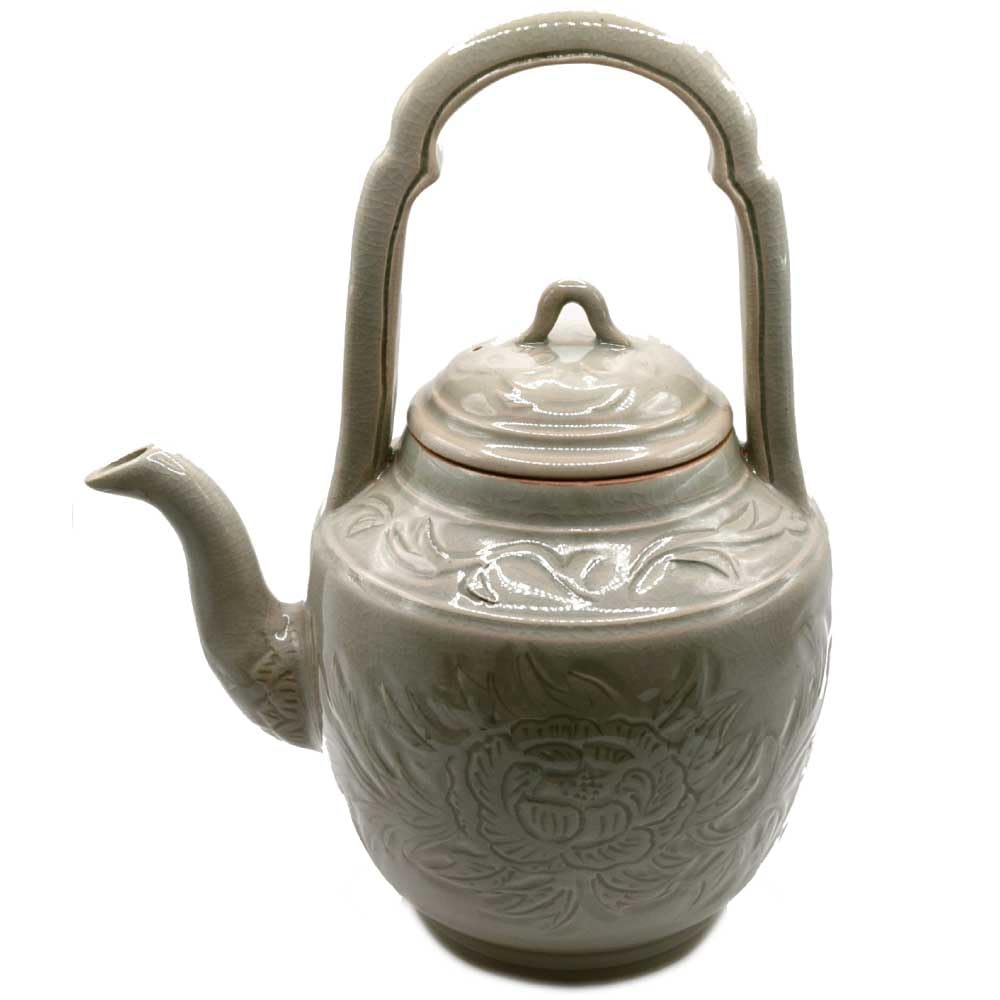
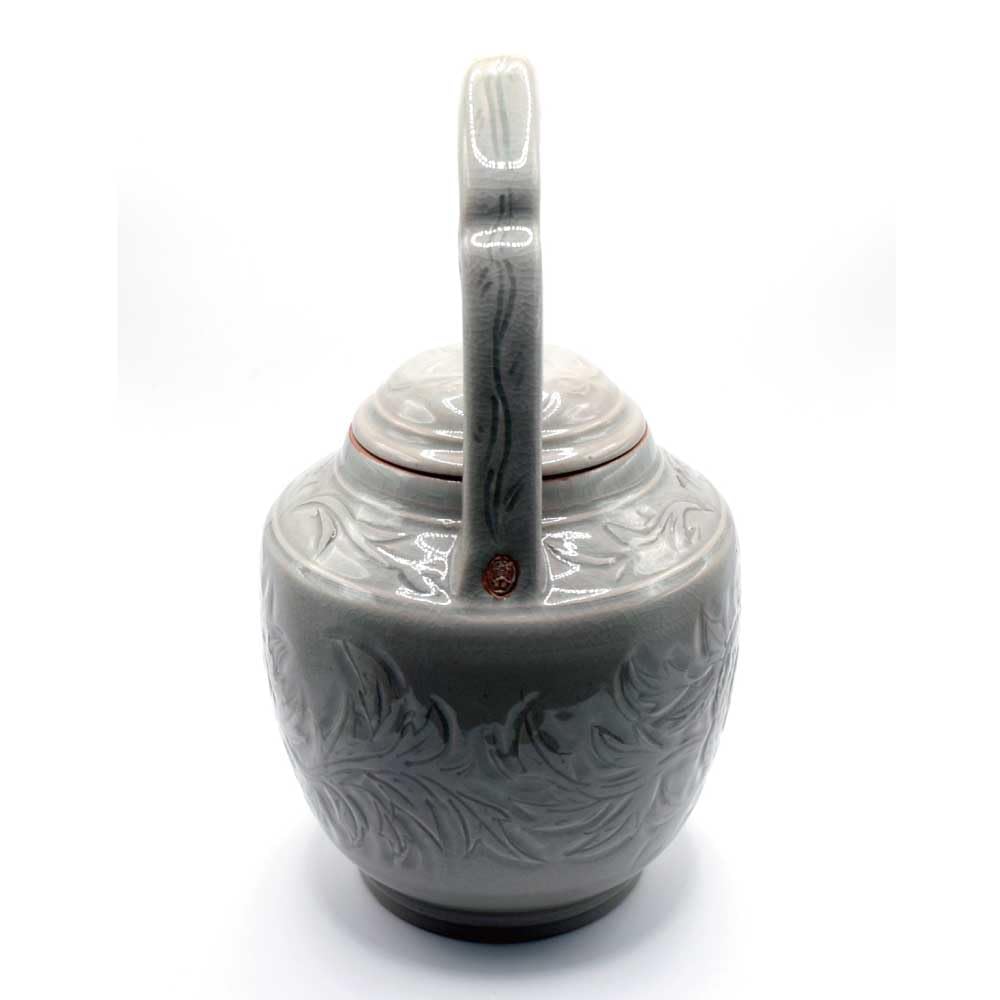
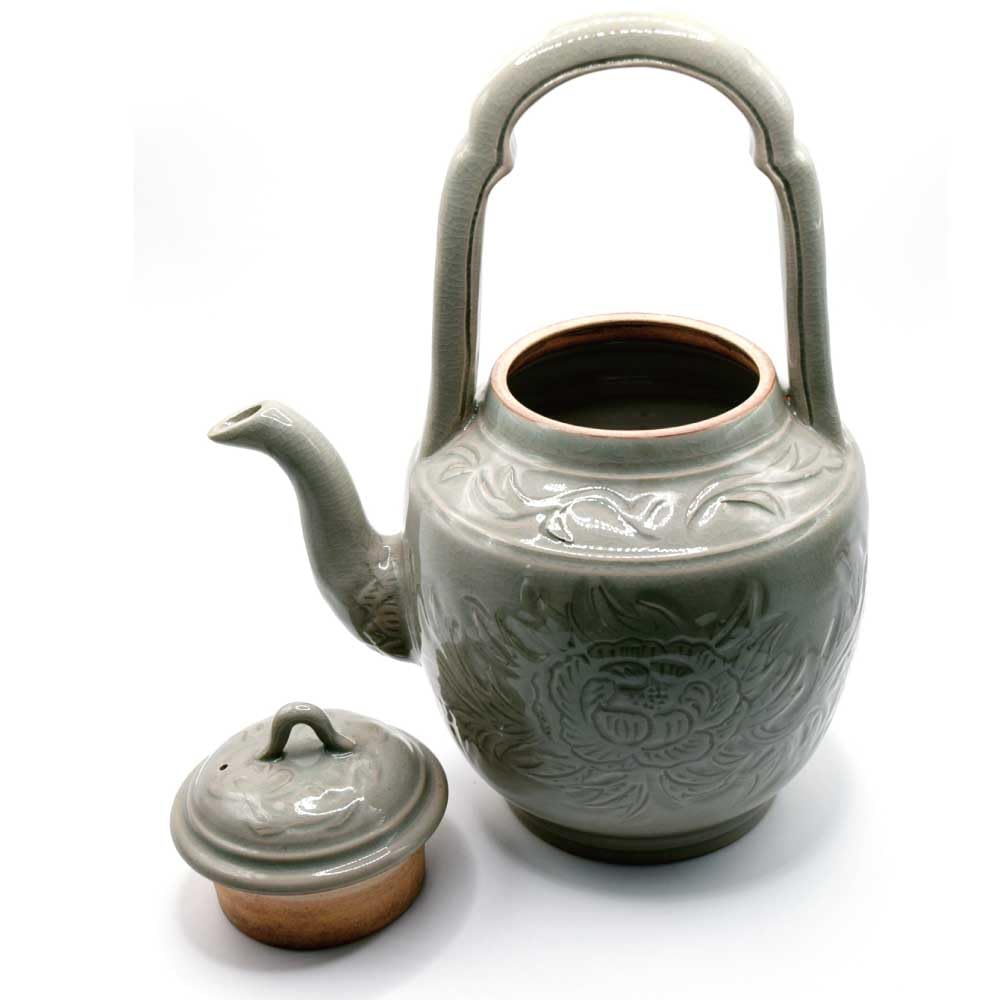
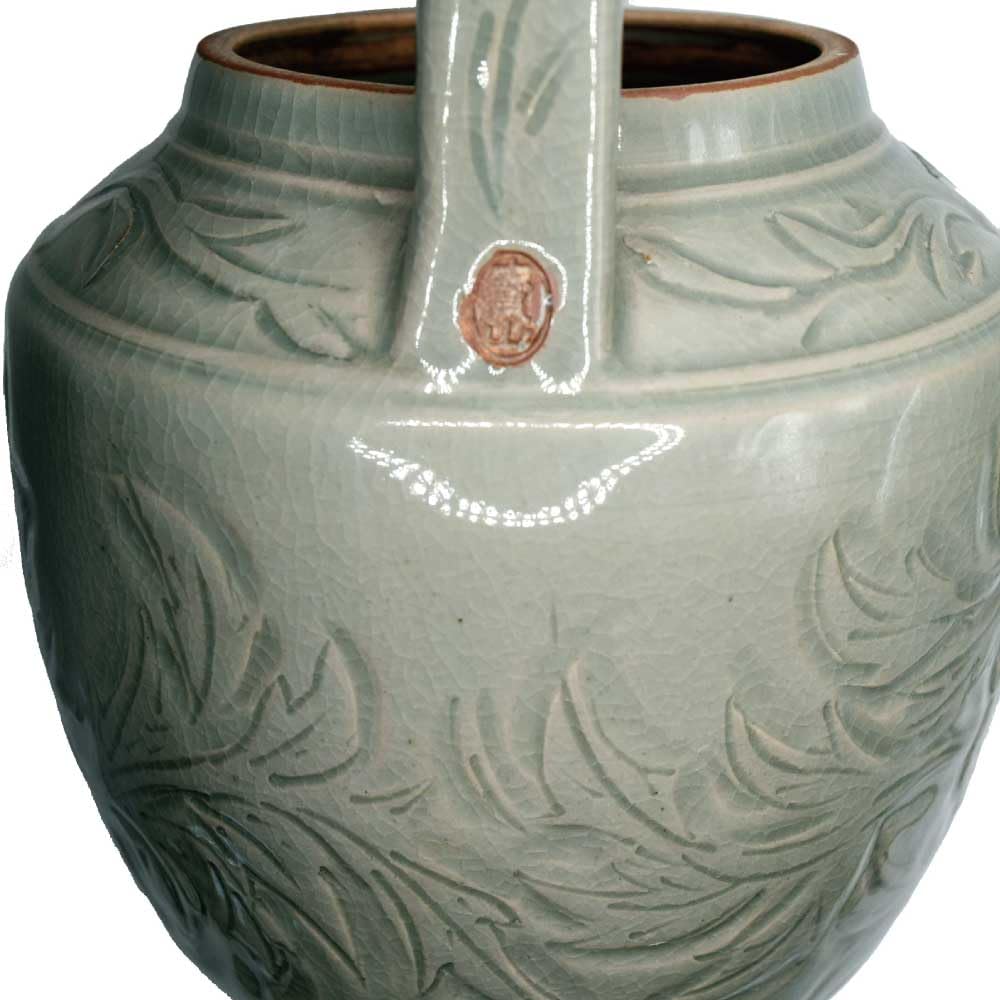
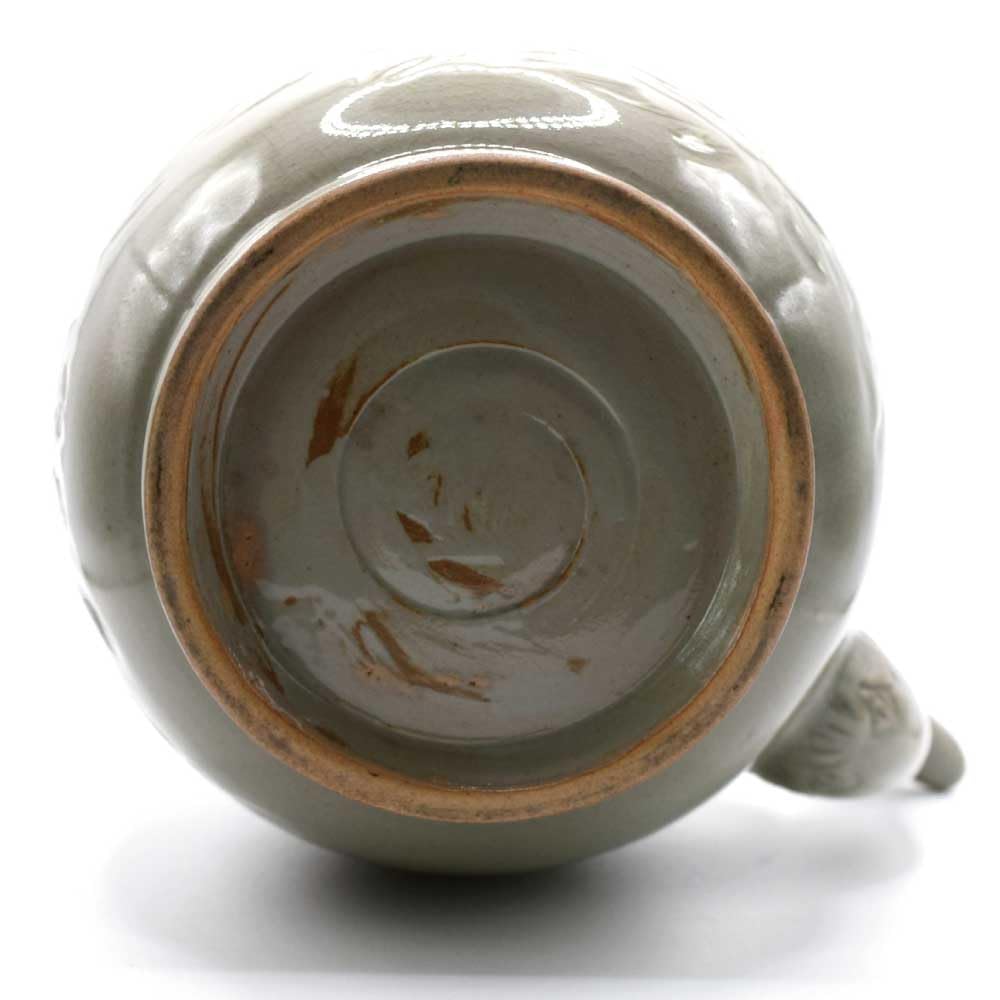
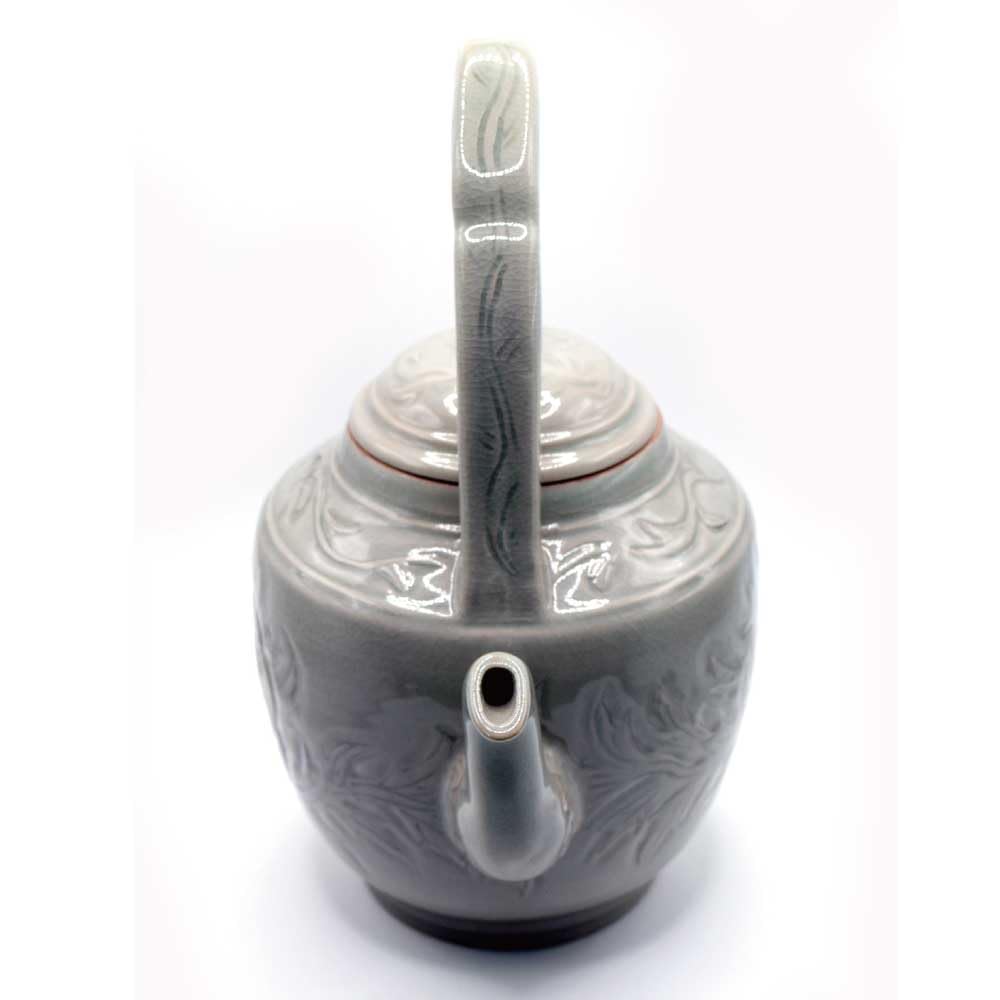
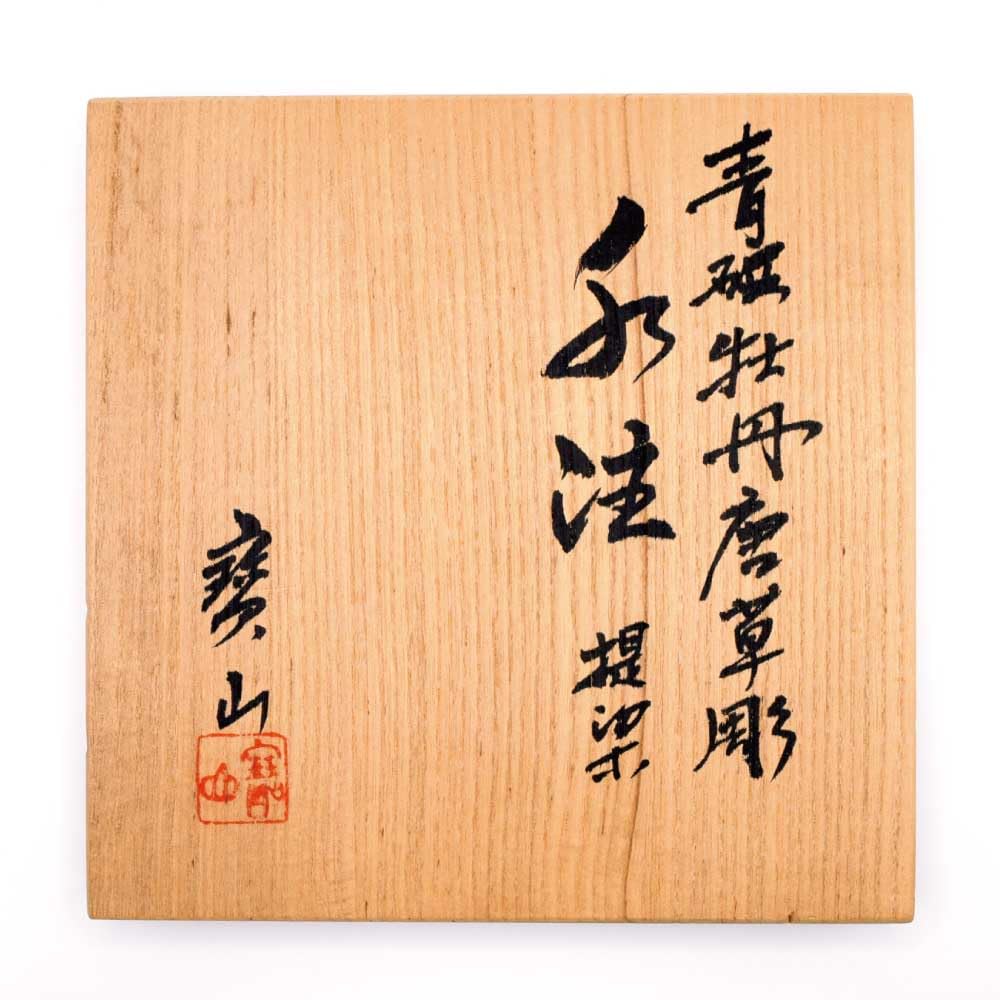
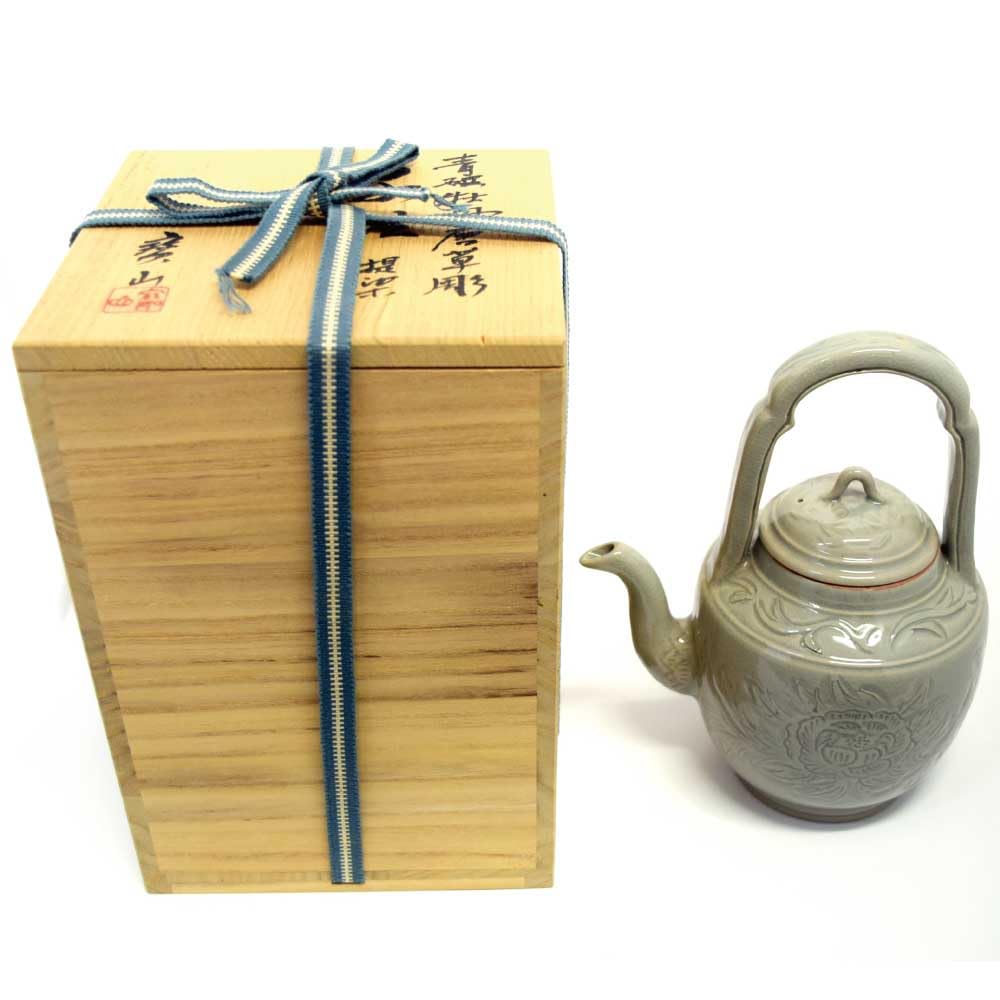
Unrinin Treasure Mountain, celadon carved in water, peony arabesque
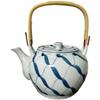
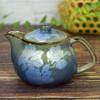
A water jug is a tool used in the tea ceremony, senchado, or calligraphy to add water. The way it is used differs slightly between the tea ceremony and senchado.
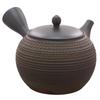
Hand-held water jug: A jug with a handle on top of the body, like a kettle.
The Takayama family does not produce any products for export, but mainly produces tools for Senmatcha, which became popular from the mid to late Tokugawa period.
Size: (approx.) Height 21.5cm (including handle) x Width 17cm (to side spout)
The origin of Unrin-in Hozan
From the Momoyama period to the early Tokugawa period, many kilns producing Awata ware, Yasaka ware, Kiyomizu ware, Otowa ware, and other pottery were built in Kyoto from north to south at the foot of the Higashiyama Mountains. In particular, the Awata district, which is the entrance to Kyoto on the Tokaido and a key transportation hub just before Sanjo Bridge, was the territory of the Shoren-in temple, and was the area that prospered for a long time, with the greatest number of potters in the Tokugawa period.
These trends can be seen in the diary of wealthy merchant Kamiya Sotan, which mentions Kyo ware three times in the years from 1605 (Keichou 10th year), and in the diary of the monk Horin of Kinkakuji Temple, from the Kan'ei to Keian periods (1624-1652), which show how registered kilns were built in the hills of Higashiyama and Kitayama and how pottery was produced there.Records and order forms show that in the early Tokugawa period, the Hozan family also built a kiln in Awata and supplied a large amount of pottery to the Imperial Palace, nobles, various domains and daimyo families.
However, as the Tokugawa regime weakened, Awata ware also declined. In the early Meiji period, exports to Europe became popular and the industry flourished for a time, but the Hozan family did not produce any export goods, and instead focused on producing tools for making matcha tea, which became popular from the mid to late Tokugawa period.
We moved from Awata in Higashiyama to Sennyuji Temple in Higashiyama during the Showa era, but we have continued to focus on producing ceramics, mainly tea ceremony utensils.

 Tovar z Japonska


 Vrátenie peňazí za nedoručenie