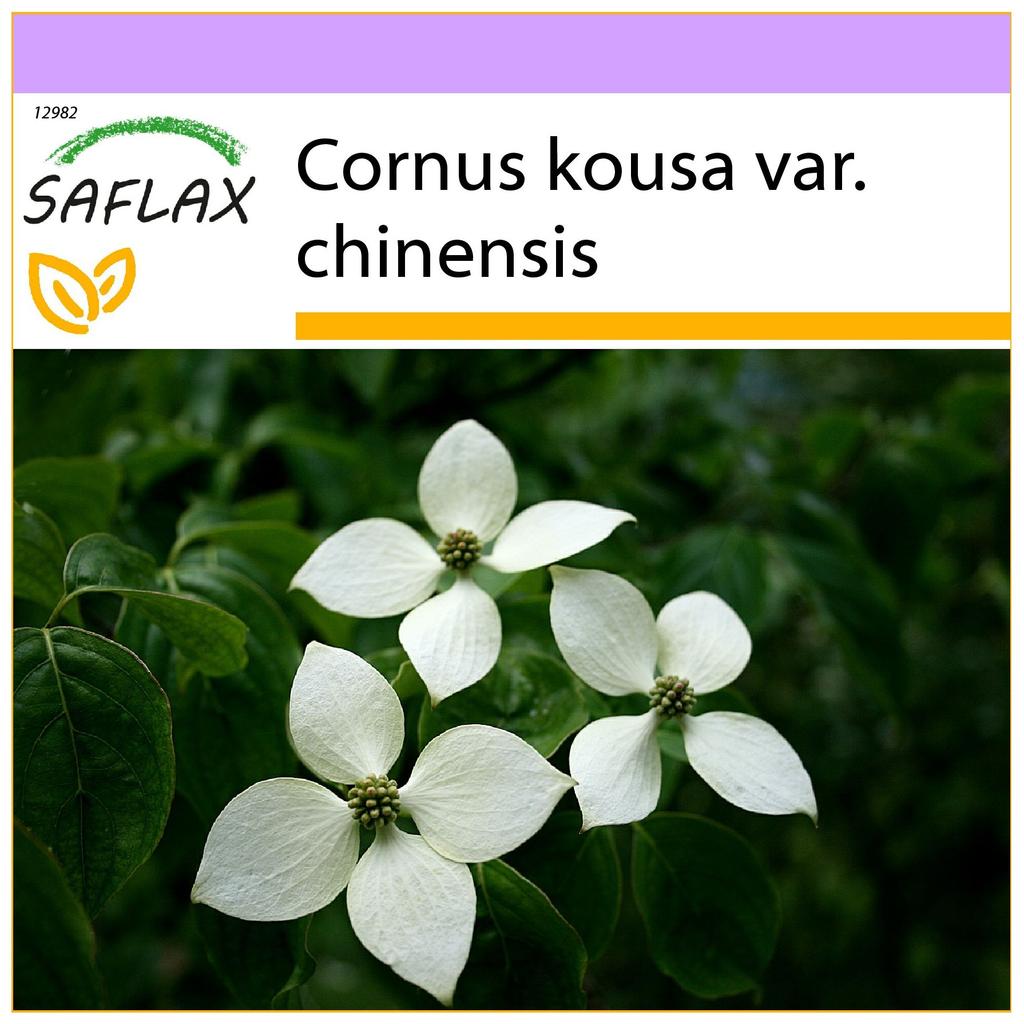


SAFLAX Koreansk Kornell - 30 frön - Cornus kousa

 Produkt från Tyskland


 Återbetalning vid utebliven leveransKvalitetsgarantiSäker logistikIntegritetsskydd
Beskrivning


Vanliga frågor
- Vilka betalningsmetoder är tillgängliga på Joom?Joom stödjer ett brett spektrum av nationella och internationella betalsätt för europeiska kunder, inklusive betalkort och kreditkort (Visa, Mastercard, Maestro), PayPal, Apple Pay och Google Pay, samt landspecifika alternativ som Klarna, BLIK, Multibanco, MB WAY, SEPA och Giropay. Tillgängliga alternativ visas vid kassan och varierar beroende på land.
- Kan jag betala för ett dyrt köp i omgångar eller senare?Ja, tjänster för köp nu, betala senare, som Klarna och Scalapay, finns tillgängliga för vissa högre värde köp, beroende på ditt land, orderbelopp och leverantörens villkor.
- Kan jag spåra min beställning?Ja. Du kan följa leveransstatusen i Joom-appen eller på webbplatsen, uppdaterad allt eftersom paketet rör sig.
- Vad händer om min beställning inte anländer?Om din beställning inte anländer före leveransgarantidatumet, kontakta Joom-support så utfärdar vi en 100 % återbetalning. Vänligen låt oss veta om din beställning inte anländer innan det beräknade datumet så hjälper vi gärna till med en återbetalning.
- Är det säkert att betala på Joom?Ja. Joom använder ett säkert betalningssystem, och säljaren får inte betalt förrän du har mottagit din beställning, vilket ger ett extra lager av köparskydd.
- Vad händer om min beställning inte anländer eller produkten inte är som förväntat?Om din beställning inte levererades, anlände skadad eller inte stämmer överens med beskrivningen, kontakta Joom support — en full återbetalning kan utfärdas i dessa fall.
- Hur begär jag återbetalning?Öppna den relevanta beställningssidan och kontakta Supportchatt, tillgänglig på webbplatsen och i Joom-appen. Beskriv problemet och följ supportinstruktionerna.
Recensioner 32
Jag köpte SAFLAX Koreansk Kornell - 30 frön - Cornus kousa och betalade med Klarna, vilket gjorde köpet väldigt smidigt och tryggt. Varan kom fram på ungefär två veckor och var exakt som den visades.
Jag köpte SAFLAX Koreansk Kornell - 30 frön - Cornus kousa och betalade med Klarna, vilket var väldigt smidigt. Varan kom fram på ungefär två veckor och matchade bilderna perfekt.
Jag beställde SAFLAX Koreansk Kornell - 30 frön - Cornus kousa och leveransupplevelsen var jättebra. Jag kunde se var mitt paket befann sig i appen, vilket gjorde att hela processen kändes mycket tryggare.
Jag beställde SAFLAX Koreansk Kornell - 30 frön - Cornus kousa och är väldigt nöjd. Produkten stämmer överens med bilderna, kvaliteten är bra, och den kom fram på mindre än tre veckor.
Jag beställde SAFLAX Koreansk Kornell - 30 frön - Cornus kousa och kunde följa paketet under hela leveransen. Den kom fram efter ungefär tre veckor och produkten stämde mycket väl överens med bilderna.
Jag beställde SAFLAX Koreansk Kornell - 30 frön - Cornus kousa och den kom fram på ungefär 2–3 veckor. Produkten ser exakt ut som på bilderna och känns välgjord.
Jag fick SAFLAX Koreansk Kornell - 30 frön - Cornus kousa och är nöjd med köpet. Den kom fram inom 2–3 veckor och såg exakt ut som på produktbilderna.
Jag fick SAFLAX Koreansk Kornell - 30 frön - Cornus kousa och gillade hur transparent leveransprocessen var. Jag kunde följa min beställning i appen och varan kom fram precis som förväntat.
Jag fick SAFLAX Koreansk Kornell - 30 frön - Cornus kousa och det var precis vad jag hade hoppats på. Leveransen tog ungefär två veckor och jag kunde följa varje uppdatering i appen.
Jag fick SAFLAX Koreansk Kornell - 30 frön - Cornus kousa och betalade med Klarna, vilket gav mig en skön känsla av trygghet. Leveransen var snabb och varan kom fram i perfekt skick.
Jag beställde SAFLAX Koreansk Kornell - 30 frön - Cornus kousa och allt gick som förväntat. Jag gillade att kunna följa leveransstatusen direkt i appen, och paketet kom fram på ungefär tre veckor.
Jag köpte SAFLAX Koreansk Kornell - 30 frön - Cornus kousa och hade en riktigt bra upplevelse överlag. Jag betalade med Klarna och kände mig trygg med att ha ett enkelt betalningsalternativ.
Jag fick SAFLAX Koreansk Kornell - 30 frön - Cornus kousa, men tyvärr var det inte vad jag behövde, så jag begärde en återbetalning. Processen var väldigt enkel och jag fick pengarna ungefär två timmar efter att återbetalningen godkändes.
Jag köpte SAFLAX Koreansk Kornell - 30 frön - Cornus kousa och var nöjd med hela upplevelsen. Leveransen var lätt att följa i appen, och varan kom fram på ungefär två veckor.
Jag fick SAFLAX Koreansk Kornell - 30 frön - Cornus kousa och är nöjd med både varan och servicen. Allt var lätt att förstå, och leveransen var snabbare än jag förväntade mig.
Jag köpte SAFLAX Koreansk Kornell - 30 frön - Cornus kousa och hade en riktigt smidig upplevelse. Jag använde Klarna för betalningen, följde beställningen i appen och fick varan efter ungefär två veckor.
Jag fick SAFLAX Koreansk Kornell - 30 frön - Cornus kousa och hela upplevelsen kändes pålitlig och rakt på sak. Jag kunde följa min leverans i appen, och varan kom fram i tid och exakt som den beskrevs.
Jag fick SAFLAX Koreansk Kornell - 30 frön - Cornus kousa och allt var precis som det beskrevs. Den kom fram helt utan problem efter ungefär tre veckor och kvaliteten är bättre än jag förväntade mig.
Jag köpte SAFLAX Koreansk Kornell - 30 frön - Cornus kousa och bestämde mig tyvärr för att jag ville ha en återbetalning. Att begära den var väldigt enkelt, och pengarna betalades tillbaka ungefär två timmar efter godkännandet.
Jag beställde SAFLAX Koreansk Kornell - 30 frön - Cornus kousa och är nöjd med mitt köp. Produkten håller bra kvalitet och ser exakt ut som på bilderna, medan leveransen bara tog ungefär 2–3 veckor.
Jag köpte SAFLAX Koreansk Kornell - 30 frön - Cornus kousa och är verkligen nöjd med kvaliteten. Den kom fram på ungefär två veckor och såg exakt ut som på bilderna.
Jag beställde SAFLAX Koreansk Kornell - 30 frön - Cornus kousa och hela upplevelsen var smidig. Leveransen tog ungefär 2–3 veckor, och jag kunde enkelt följa paketet i appen.
Jag fick SAFLAX Koreansk Kornell - 30 frön - Cornus kousa och blev positivt överraskad av kvaliteten. Den matchade bilderna perfekt och kom fram snabbare än jag förväntade mig.
Jag fick SAFLAX Koreansk Kornell - 30 frön - Cornus kousa och är väldigt nöjd med köpet. Kvaliteten är bra, varan ser ut som på bilderna, och leveransen var förvånansvärt snabb.
Jag beställde SAFLAX Koreansk Kornell - 30 frön - Cornus kousa och är väldigt nöjd med det. Bra kvalitet, rättvisande bilder och snabb leverans för att vara en internationell beställning.
Jag beställde SAFLAX Koreansk Kornell - 30 frön - Cornus kousa och hade en väldigt positiv upplevelse. Paketet kom fram på ungefär två veckor, och produktkvaliteten var riktigt bra.
Jag köpte SAFLAX Koreansk Kornell - 30 frön - Cornus kousa och allt kändes tryggt, från betalning till leverans. Jag använde Klarna och var nöjd med hur enkelt hela köpet var.
Jag köpte SAFLAX Koreansk Kornell - 30 frön - Cornus kousa och återbetalningsprocessen var mycket enklare än jag trodde. Jag skickade in ansökan enkelt och fick återbetalningen ungefär två timmar efter att den godkänts.
Jag beställde SAFLAX Koreansk Kornell - 30 frön - Cornus kousa och är verkligen nöjd med upplevelsen. Varan kom fram på 2–3 veckor och det var ingen skillnad mellan bilderna och den faktiska produkten.
Jag köpte SAFLAX Koreansk Kornell - 30 frön - Cornus kousa och kvaliteten är utmärkt för priset. Den kom fram på ungefär två veckor och ser precis likadan ut som på nätet.







SAFLAX Koreansk Kornell - 30 frön - Cornus kousa — köpa varan online med fri frakt över hela världen!
Webbutiken Joom erbjuder dig billiga och kvalitativa varor. SAFLAX Koreansk Kornell - 30 frön - Cornus kousa: priser på Joom är de lägsta! Vill du köpa varan ännu billigare? Följ oss så att du inte missar våra rabatter och erbjudanden!
Leverans i hela Europa, OSS, Israel och Australien
Ett internationellt sortiment
Återbetalning för berättigade beställningar och kundsupport dygnet runt
Rabatt på det första köpet för nya kunder