
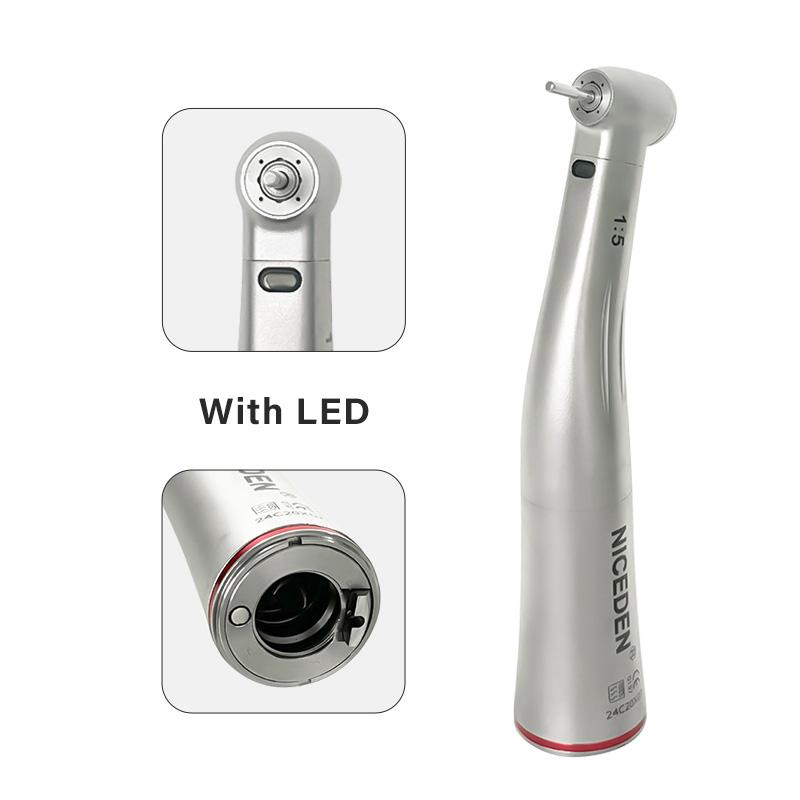
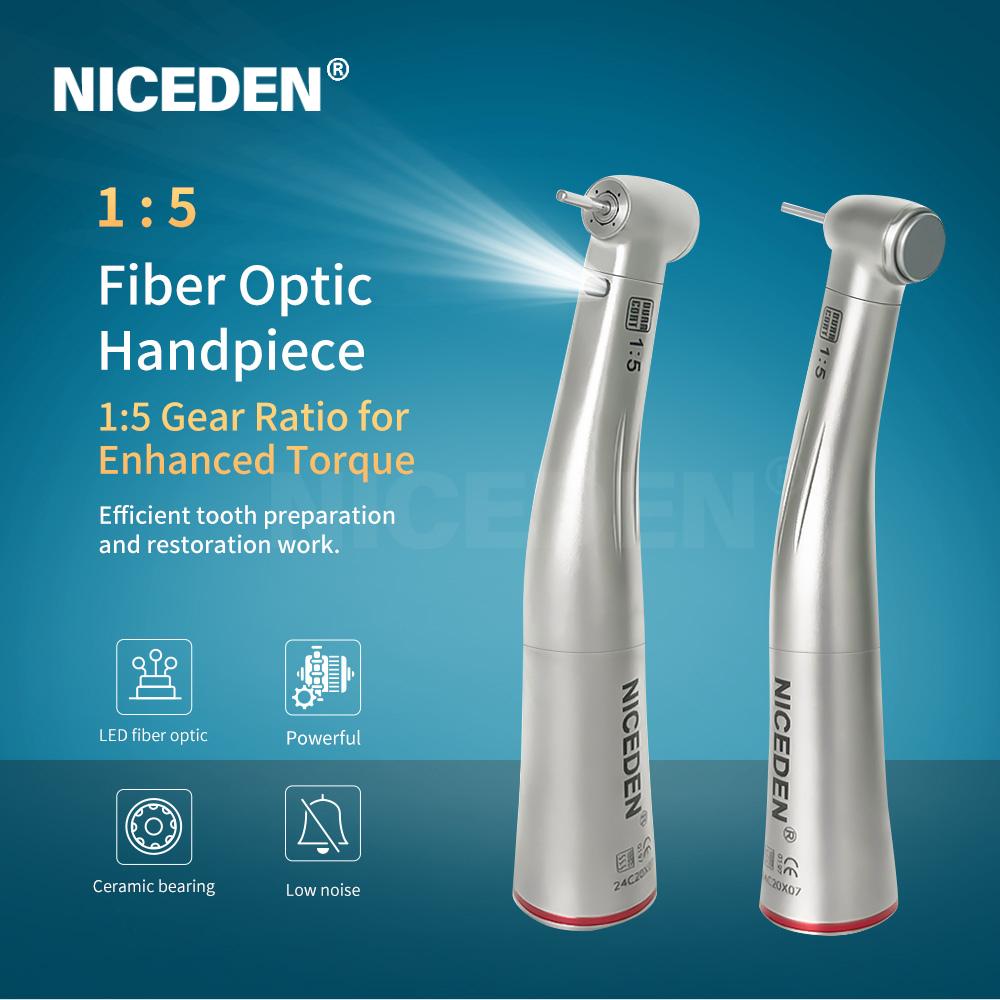
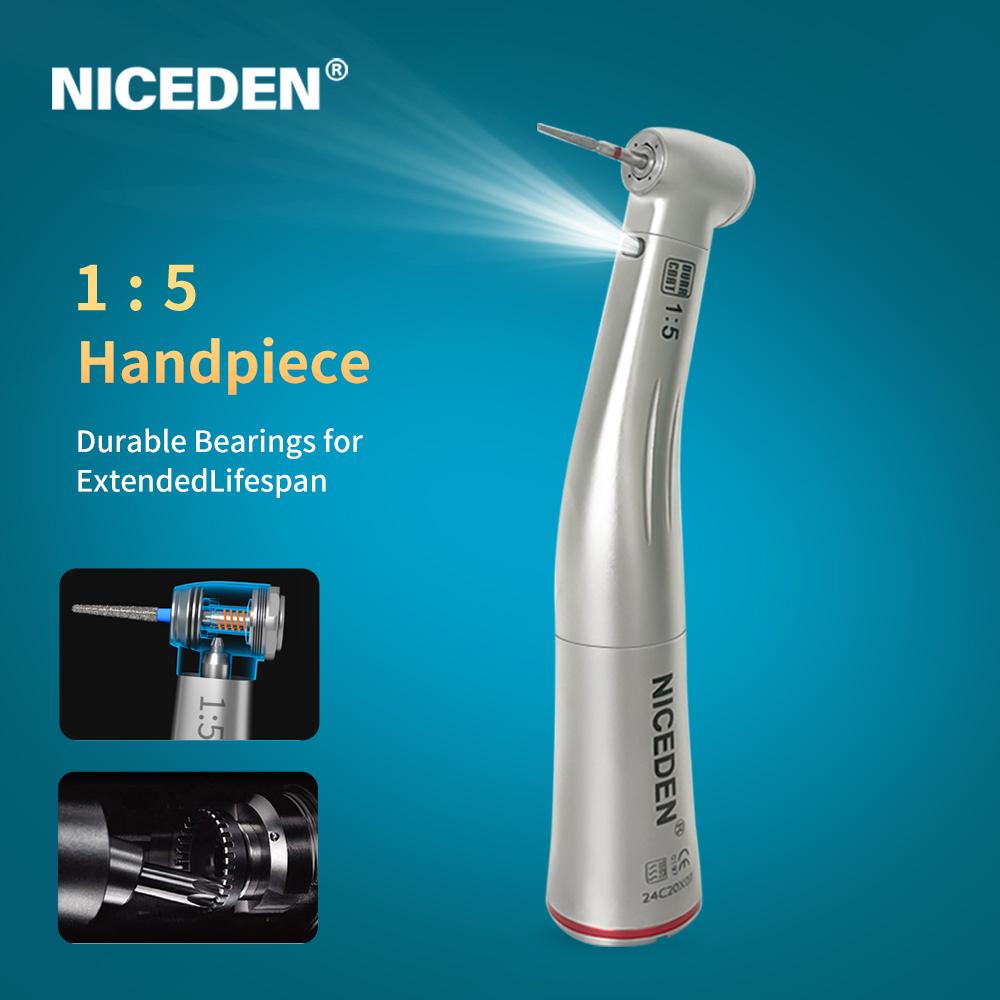

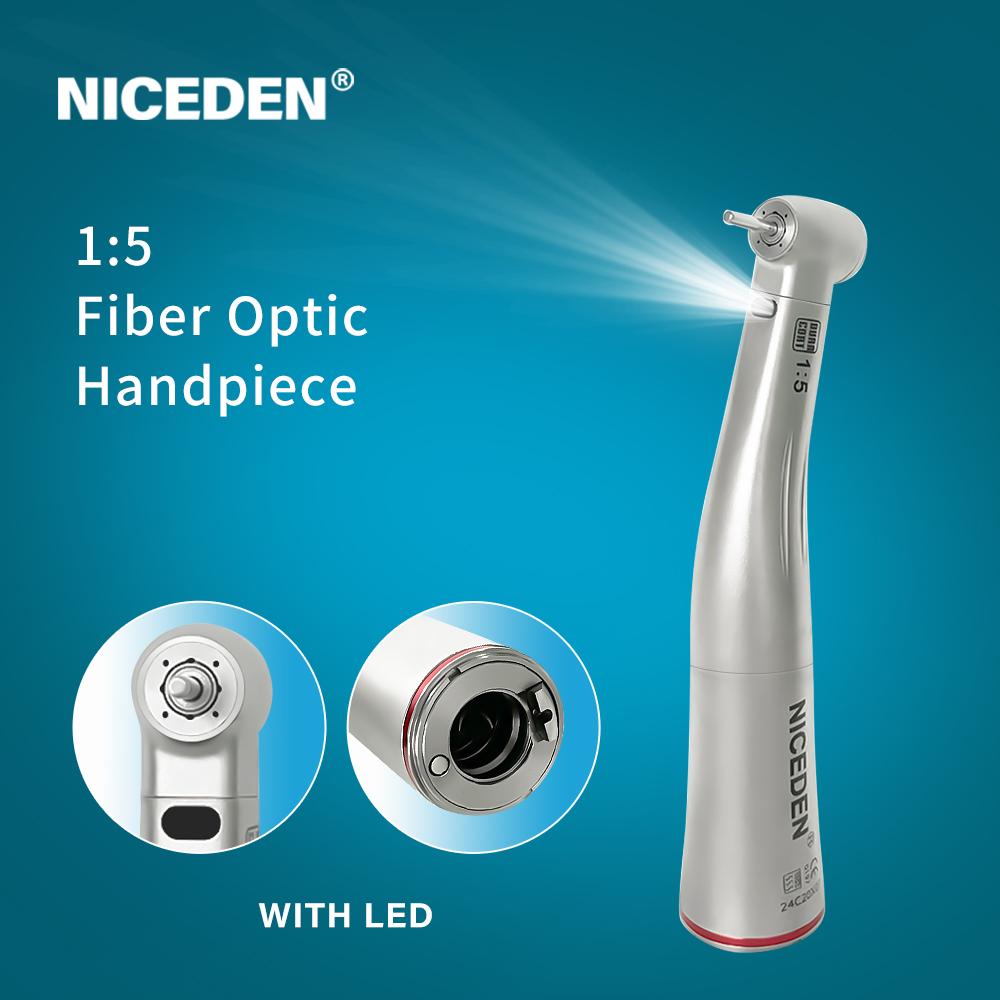
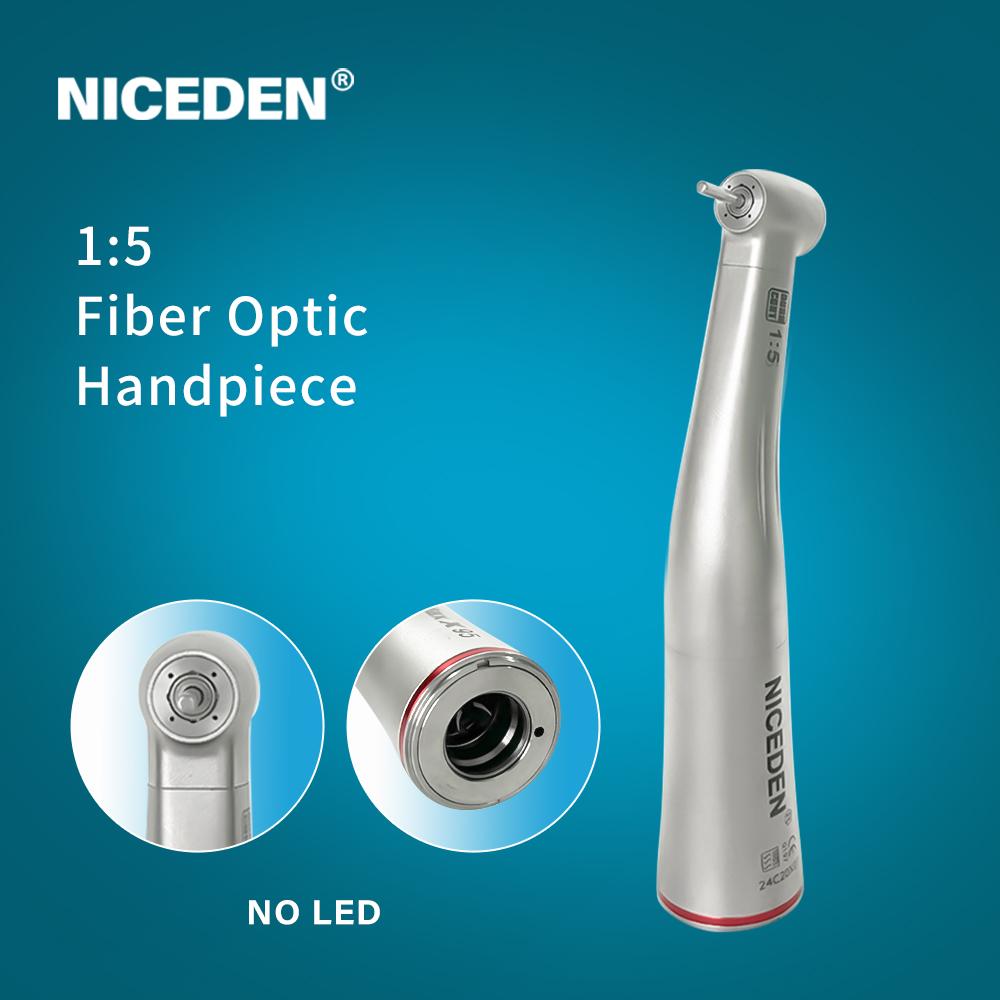
TI Max X95L Dental 1:5 Speed Increasing Red Ring Contra Angle Handpiece with Optic Fiber Stainless Titanium Body for FG Bur
- Motorcycle zz2 Handlebar Bag Storage Handle Bar Bag Travel Tool Bags For Volkswagen VW Scirocco Jetta Beetle Golf 4 5 6 Passat Polo
- Universal Motorcycle Exhaust Muffler Adapter 51Mm To 38Mm, 60Mm To 51Mm, 51Mm Welded Pipe Motorcycle Accessories
- 2025 Melaard Colorblock Cube Stud Earrings - Light Luxury Design, Simple & Stylish
- SANDA SD6229 Men's Electronic Watch Waterproof Outdoor Sports Watch Multifunctional Military Fitness Stopwatch
- Fengxiao Women's Elegant Mid-Length Winter Coat
- Ice Fishing Windproof Hexagonal Tent: Reinforced, Thickened Cotton, Quick-Open, Ideal for Outdoor Camping.
- Versatile Tibetan Lion Dance Bracelet: Handmade Wine Red Rope, Woven Simple Lucky Charm in Chinese Style.
- Yogodlns Women's Large Capacity Furry Tote Bag Commute Shoulder Bag Underarm Bag Soft Material Easy to Clean Vertical Square
- Halloween Tableware Stainless Steel Coffee Spoon Halloween Dessert Spoon Fruit Fork Theme Party Tableware Set
- Song Brocade Jewelry Box DIY Kit: Handmade Solid Wood, Chinese Retro Gift for Mother's Day


 Teslim edilmediğinde para iadesiKalite güvencesiGüvenli lojistikGizlilik koruması
Açıklama




Sık sorulan sorular
- Joom'da hangi ödeme yöntemleri mevcut?Joom, Avrupa'daki alışveriş yapanlar için geniş bir yerel ve uluslararası ödeme yöntemini desteklemektedir, bunlar arasında debit ve kredi kartları (Visa, Mastercard, Maestro), PayPal, Apple Pay ve Google Pay yer almaktadır; ayrıca Klarna, BLIK, Multibanco, MB WAY, SEPA ve Giropay gibi ülkeye özel seçenekler de bulunmaktadır. Mevcut seçenekler ödeme sırasında gösterilir ve ülkeye göre değişiklik gösterir.
- Pahalı bir satın almayı taksitlerle veya daha sonra ödeyebilir miyim?Evet, Klarna ve Scalapay gibi satın alma sonrası ödeme hizmetleri, ülkenize, sipariş tutarınıza ve sağlayıcının şartlarına bağlı olarak bazı yüksek değerli alışverişler için mevcuttur.
- Siparişimi takip edebilir miyim?Evet. Joom uygulaması veya web sitesinde paketinizin teslimat durumunu takip edebilir, paket hareket ettikçe güncellenir.
- Siparişim gelmezse ne olur?Eğer siparişiniz teslimat garantisi tarihine kadar gelmezse, Joom destek ile iletişime geçin ve biz %100 geri ödeme yapacağız. Lütfen tahmin edilen tarihte siparişinizin gelmediğini bize bildirin ve geri ödemenizi memnuniyetle sağlayacağız.
- Joom'da ödeme yapmak güvenli mi?Evet. Joom güvenli bir ödeme sistemi kullanır ve satıcı, siparişinizi almadan önce ödeme almaz; bu da alışveriş korumanıza ek bir katman sağlar.
- Siparişim gelmezse veya ürün beklediğim gibi olmazsa ne yapabilirim?Eğer siparişiniz teslim edilmezse, hasarlı gelirse veya tanımına uymuyorsa, Joom destek ile iletişime geçin — bu durumlarda tam geri ödeme yapılabilir.
- Nasıl geri ödeme talep ederim?İlgili sipariş sayfasını açın ve web sitesinde ve Joom uygulamasında mevcut Destek Sohbeti ile iletişime geçin. Sorunu tanımlayın ve destek talimatlarını takip edin.
Yorumlar 30
TI Max X95L Dental 1:5 Speed Increasing Red Ring Contra Angle Handpiece with Optic Fiber Stainless Titanium Body for FG Bur satın aldım ve ödemeyi Klarna ile yaptım, bu da alışverişi gerçekten kolay ve güvenli hissettirdi. Ürün yaklaşık iki haftada geldi ve gösterildiği gibiydi.
TI Max X95L Dental 1:5 Speed Increasing Red Ring Contra Angle Handpiece with Optic Fiber Stainless Titanium Body for FG Bur satın aldım ve ödemeyi Klarna ile yaptım, bu çok pratikti. Ürün yaklaşık iki haftada geldi ve fotoğraflarla birebir uyuşuyordu.
TI Max X95L Dental 1:5 Speed Increasing Red Ring Contra Angle Handpiece with Optic Fiber Stainless Titanium Body for FG Bur sipariş verdim ve teslimat deneyimi harikaydı. Paketimin nerede olduğunu uygulamadan görebiliyordum, bu da tüm süreci çok daha güvenli hissettirdi.
TI Max X95L Dental 1:5 Speed Increasing Red Ring Contra Angle Handpiece with Optic Fiber Stainless Titanium Body for FG Bur sipariş verdim ve çok memnunum. Ürün fotoğraflarla uyuşuyor, kalitesi iyi ve üç haftadan kısa sürede geldi.
TI Max X95L Dental 1:5 Speed Increasing Red Ring Contra Angle Handpiece with Optic Fiber Stainless Titanium Body for FG Bur sipariş verdim ve teslimat boyunca paketi takip edebildim. Yaklaşık üç hafta sonra geldi ve ürün fotoğraflarla oldukça uyumluydu.
TI Max X95L Dental 1:5 Speed Increasing Red Ring Contra Angle Handpiece with Optic Fiber Stainless Titanium Body for FG Bur sipariş ettim ve her şey beklediğim gibi gitti. Teslimat durumunu doğrudan uygulamadan takip edebilmeyi çok sevdim ve paket yaklaşık üç haftada geldi.
TI Max X95L Dental 1:5 Speed Increasing Red Ring Contra Angle Handpiece with Optic Fiber Stainless Titanium Body for FG Bur satın aldım ve genel olarak harika bir deneyim yaşadım. Ödemeyi Klarna ile yaptım ve kolay bir ödeme seçeneğim olduğunu bilmek beni rahatlattı.
TI Max X95L Dental 1:5 Speed Increasing Red Ring Contra Angle Handpiece with Optic Fiber Stainless Titanium Body for FG Bur elime ulaştı ama maalesef ihtiyacım olan şey değildi, bu yüzden iade talep ettim. Süreç çok kolaydı ve iade onaylandıktan yaklaşık iki saat sonra param elime geçti.
TI Max X95L Dental 1:5 Speed Increasing Red Ring Contra Angle Handpiece with Optic Fiber Stainless Titanium Body for FG Bur satın aldım ve tüm deneyimden memnun kaldım. Teslimatı uygulamadan takip etmek kolaydı ve ürün yaklaşık iki haftada geldi.
TI Max X95L Dental 1:5 Speed Increasing Red Ring Contra Angle Handpiece with Optic Fiber Stainless Titanium Body for FG Bur elime ulaştı ve hem üründen hem de hizmetten memnunum. Her şey anlaşılması kolaydı ve teslimat beklediğimden daha hızlıydı.
TI Max X95L Dental 1:5 Speed Increasing Red Ring Contra Angle Handpiece with Optic Fiber Stainless Titanium Body for FG Bur satın aldım ve gerçekten sorunsuz bir deneyim yaşadım. Ödeme için Klarna kullandım, siparişi uygulamadan takip ettim ve ürünü yaklaşık iki haftada teslim aldım.
TI Max X95L Dental 1:5 Speed Increasing Red Ring Contra Angle Handpiece with Optic Fiber Stainless Titanium Body for FG Bur elime ulaştı ve her şey güvenilir ve sorunsuz hissettirdi. Teslimatımı uygulamadan takip edebildim ve ürün zamanında ve tam olarak açıklandığı gibi geldi.
TI Max X95L Dental 1:5 Speed Increasing Red Ring Contra Angle Handpiece with Optic Fiber Stainless Titanium Body for FG Bur elime ulaştı ve her şey açıklandığı gibiydi. Yaklaşık üç hafta sonra sorunsuz bir şekilde geldi ve kalitesi beklediğimden daha iyi.
TI Max X95L Dental 1:5 Speed Increasing Red Ring Contra Angle Handpiece with Optic Fiber Stainless Titanium Body for FG Bur satın aldım ama maalesef iade istemeye karar verdim. İade talep etmek gerçekten çok kolaydı ve onaydan yaklaşık iki saat sonra param geri ödendi.
TI Max X95L Dental 1:5 Speed Increasing Red Ring Contra Angle Handpiece with Optic Fiber Stainless Titanium Body for FG Bur sipariş verdim ve alışverişimden memnunum. Ürün kaliteli ve tıpkı fotoğraflardaki gibi görünüyor, teslimat ise sadece yaklaşık 2-3 hafta sürdü.
TI Max X95L Dental 1:5 Speed Increasing Red Ring Contra Angle Handpiece with Optic Fiber Stainless Titanium Body for FG Bur sipariş verdim ve yaklaşık 2-3 haftada geldi. Ürün tıpkı fotoğraflardaki gibi görünüyor ve sağlam yapılmış hissi veriyor.
TI Max X95L Dental 1:5 Speed Increasing Red Ring Contra Angle Handpiece with Optic Fiber Stainless Titanium Body for FG Bur elime ulaştı ve alışverişten memnunum. 2-3 hafta içinde geldi ve tıpkı ürün görsellerindeki gibi görünüyordu.
TI Max X95L Dental 1:5 Speed Increasing Red Ring Contra Angle Handpiece with Optic Fiber Stainless Titanium Body for FG Bur elime ulaştı ve teslimat sürecinin bu kadar şeffaf olması hoşuma gitti. Siparişimi uygulamadan takip edebildim ve ürün tam beklediğim gibi geldi.
TI Max X95L Dental 1:5 Speed Increasing Red Ring Contra Angle Handpiece with Optic Fiber Stainless Titanium Body for FG Bur elime ulaştı ve tam umduğum gibiydi. Teslimat yaklaşık iki hafta sürdü ve her güncellemeyi uygulamadan takip edebildim.
TI Max X95L Dental 1:5 Speed Increasing Red Ring Contra Angle Handpiece with Optic Fiber Stainless Titanium Body for FG Bur elime ulaştı ve ödemeyi Klarna ile yaptım, bu da bana güzel bir güvenlik hissi verdi. Teslimat hızlıydı ve ürün harika bir durumda geldi.
TI Max X95L Dental 1:5 Speed Increasing Red Ring Contra Angle Handpiece with Optic Fiber Stainless Titanium Body for FG Bur aldım ve kalitesinden gerçekten memnunum. Yaklaşık iki haftada geldi ve tıpkı fotoğraflardaki gibi görünüyordu.
TI Max X95L Dental 1:5 Speed Increasing Red Ring Contra Angle Handpiece with Optic Fiber Stainless Titanium Body for FG Bur sipariş verdim ve her şey çok sorunsuz geçti. Teslimat yaklaşık 2-3 hafta sürdü ve paketi uygulamadan kolayca takip edebildim.
TI Max X95L Dental 1:5 Speed Increasing Red Ring Contra Angle Handpiece with Optic Fiber Stainless Titanium Body for FG Bur elime ulaştı ve kalitesi beni gerçekten olumlu şekilde şaşırttı. Fotoğraflarla birebir aynıydı ve beklediğimden daha hızlı geldi.
TI Max X95L Dental 1:5 Speed Increasing Red Ring Contra Angle Handpiece with Optic Fiber Stainless Titanium Body for FG Bur elime geçti ve alışverişten çok memnunum. Kalitesi iyi, ürün fotoğraflardaki gibi görünüyor ve teslimat şaşırtıcı derecede hızlıydı.
TI Max X95L Dental 1:5 Speed Increasing Red Ring Contra Angle Handpiece with Optic Fiber Stainless Titanium Body for FG Bur sipariş verdim ve gerçekten çok memnunum. Kalitesi iyi, fotoğraflar gerçeğe uygun ve uluslararası bir sipariş için teslimat hızlıydı.
TI Max X95L Dental 1:5 Speed Increasing Red Ring Contra Angle Handpiece with Optic Fiber Stainless Titanium Body for FG Bur sipariş verdim ve çok olumlu bir deneyim yaşadım. Paket yaklaşık iki haftada geldi ve ürün kalitesi gerçekten iyiydi.
TI Max X95L Dental 1:5 Speed Increasing Red Ring Contra Angle Handpiece with Optic Fiber Stainless Titanium Body for FG Bur satın aldım ve ödemeden teslimata kadar her şey güvenli hissettirdi. Klarna kullandım ve tüm alışverişin bu kadar kolay olmasından memnun kaldım.
TI Max X95L Dental 1:5 Speed Increasing Red Ring Contra Angle Handpiece with Optic Fiber Stainless Titanium Body for FG Bur satın aldım ve iade süreci beklediğimden çok daha kolaydı. Talebi kolayca gönderdim ve onaylandıktan yaklaşık iki saat sonra param iade edildi.
TI Max X95L Dental 1:5 Speed Increasing Red Ring Contra Angle Handpiece with Optic Fiber Stainless Titanium Body for FG Bur sipariş verdim ve deneyimden gerçekten çok memnunum. Ürün 2-3 haftada geldi ve fotoğraflarla gerçek ürün arasında hiçbir fark yoktu.
TI Max X95L Dental 1:5 Speed Increasing Red Ring Contra Angle Handpiece with Optic Fiber Stainless Titanium Body for FG Bur satın aldım ve fiyatına göre kalitesi mükemmel. Yaklaşık iki haftada geldi ve internette gördüğümle birebir aynı görünüyor.

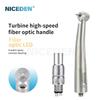

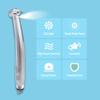





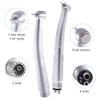



TI Max X95L Dental 1:5 Speed Increasing Red Ring Contra Angle Handpiece with Optic Fiber Stainless Titanium Body for FG Bur — tüm dünyaya ücretsiz teslimat ile online ürün satın alın!
Mevcut renkler:
Kaliteli malzemeler:
Yüksek kaliteli fotoğraflar ve gerçek müşteri yorumları.
Büyük beden aralığı: With LED, Without LED
Avrupa, BDT, İsrail ve Avustralya genelinde teslimat
Uluslararası ürün yelpazesi
Uygun siparişler için para iadesi ve 7/24 müşteri desteği
Yeni müşterilerin ilk alışverişine özel indirim