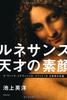
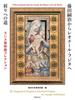
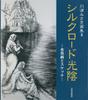
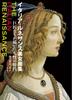
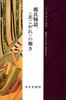
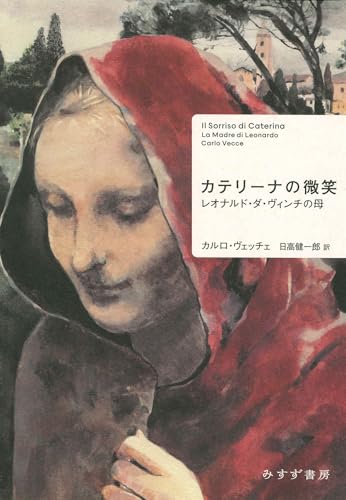
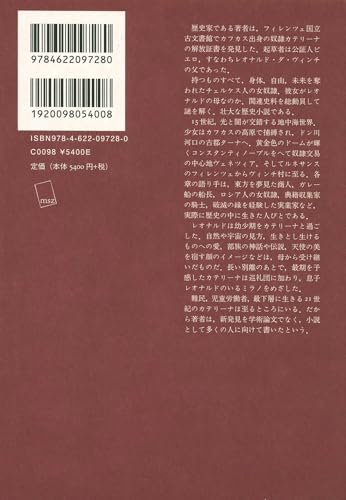
The historian author discovered a liberation document for Caterina, a slave from the Caucasus, in the Florence National Archives. It was drafted by Piero the Notary, Leonardo da Vinci's father.
The Circassian slave was deprived of everything she owned: her body, her freedom, and her future. Could she be Leonardo da Vinci's mother? This epic historical novel unravels the mystery by mobilizing all relevant historical documents.
The story is set in the 15th century, in the Mediterranean world, where light and darkness intertwine. The young girl is captured on the Caucasus plateau and taken to Tana, an ancient city at the mouth of the Don River. She travels through Constantinople, with its gleaming golden domes, to Venice, the center of the slave trade, and on to Renaissance Florence and the village of Vinci. Each chapter is narrated by a real-life figure from history: a merchant who dreamed of the East, a galley captain, a Russian slave girl, a knight who collected classics, and a businessman who nearly suffered ruin.
Leonardo spent his childhood with Caterina. From her mother he inherited her perspective on nature and the universe, her love for all living things, her tribe's myths and legends, and her image of angelic faces. After a long separation, Caterina, sensing her end, joined a pilgrimage to Milan, where her son Leonardo was.
21st-century Caterinas are everywhere: refugees, child laborers, and those living at the bottom of society. This is why the author decided to write about his new discoveries not as an academic paper but as a novel for a wider audience.
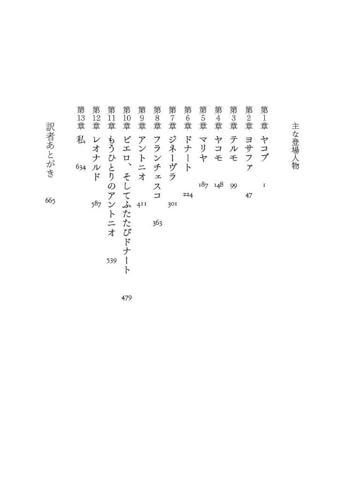
Table of Contents
1. Jacob
2. Josapha
3. Telmo
4. Giacomo
5. Maria
6. Donato
7. Ginevra
8. Francesco
9. Antonio
10. Piero, Revisited: Donato
11. The Other Antonio
12. Leonardo
13. Me

 منتج من اليابان


 استرداد غير متعلق بالتوصيل