Stránka nepodporuje váš prohlížeč. Aktualizujte prosím svůj prohlížeč nebo si stáhněte jiný

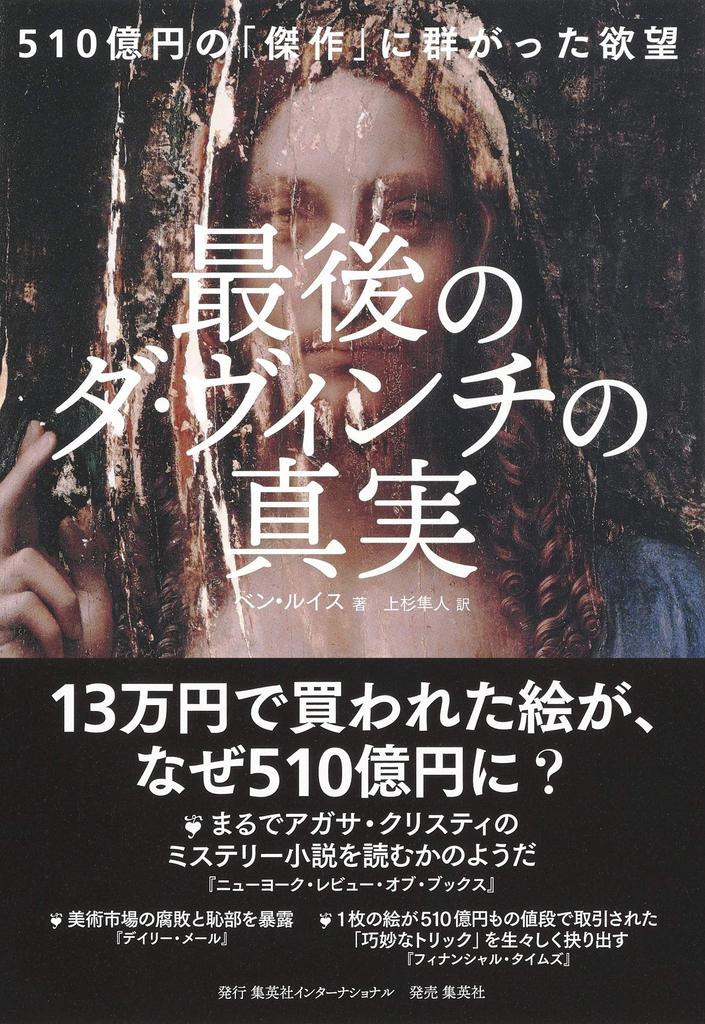






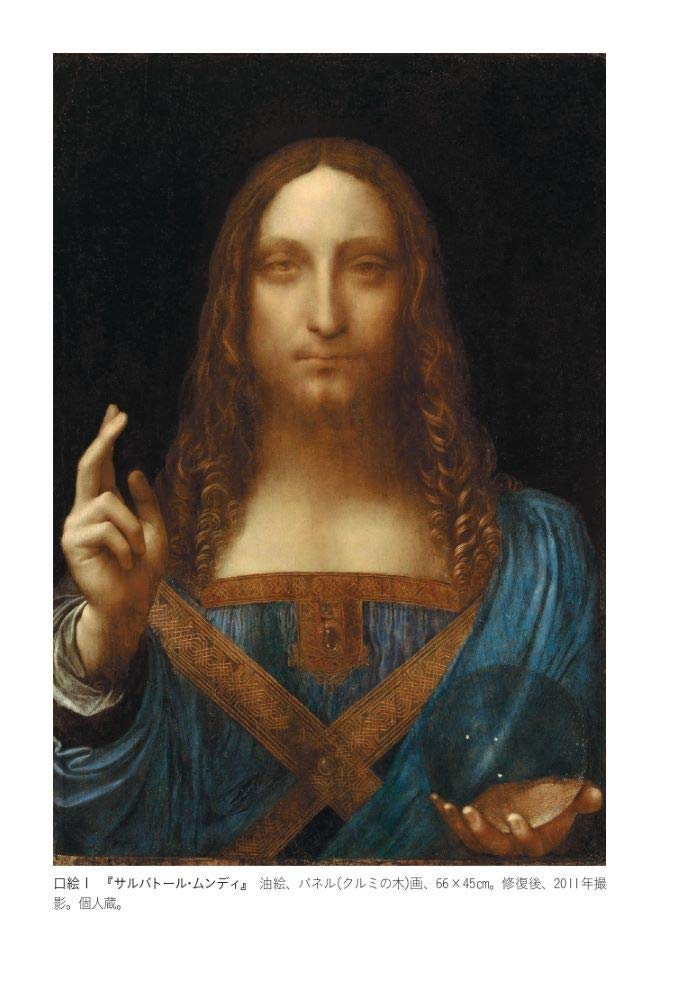
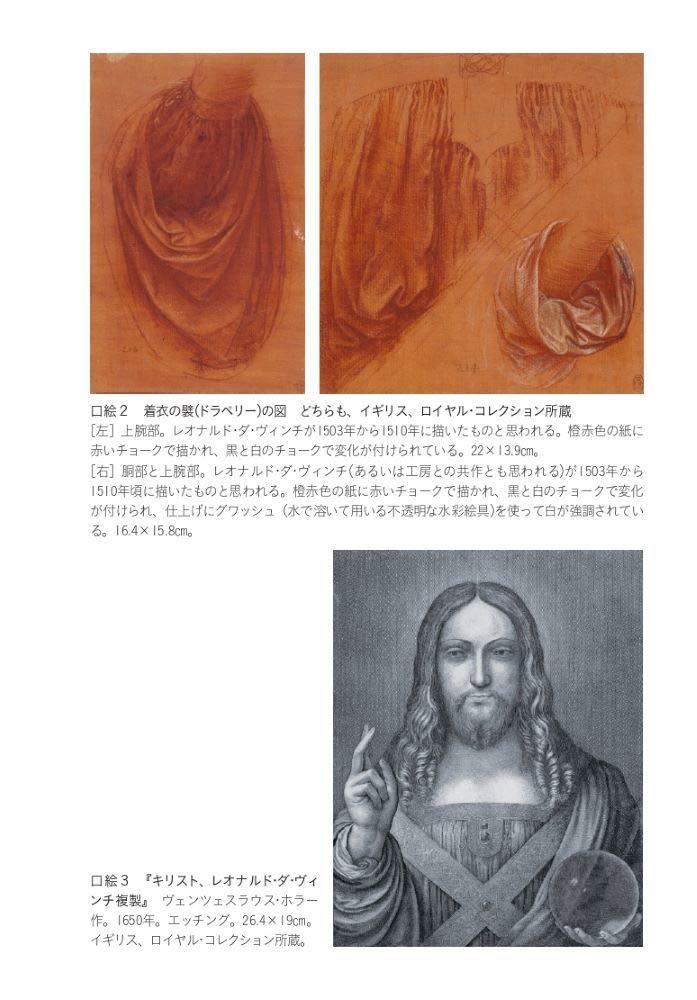
The final truth about Da Vinci: The desires that swarmed around the 51 billion yen "masterpiece"
Aktuální cena
Cena 2 029 Kčvčetně DPH
Načítání...
Načítání...
Načítání...
Načítání...
Načítání...
Načítání...
Načítání...
Načítání...
Načítání...
Načítání...
Načítání...
Načítání...
Načítání...
Načítání...
Načítání...
- 2 ks Baofeng F22 T22 Legální PMR 446MHz Vysílačka Mini velikost Nabíjení Type-C Dlouhý dosah Obousměrné rádio pro rodinu a podnikání
- 14.5x5.8CM Front Rear Trunk Emblem Badge Sticker For Ford Mondeo Kuga Focus Ranger Transit EcoSport Fiesta Edge Raptor Figo etc
- Retro Eurovision 2025 KAJ Bara Bada Bastu Hoodies Men Women Oversized Sweatshirt Unisex Fashion Y2k Fleece Long sleeve pullovers
- Obří Kostka Sýra Mačkací Hračka Simulace Sýrová Fidget Hračka Pomalá Vratnost & Tvarovatelná Míček na Uvolnění Stresu Prémiový Nádherný Dárek
- Chrome Silver Black Trunk Letters EQC400 4MATIC Emblems for Mercedes Benz EQC Electric Motor SUV AWD N293 Logo Accessories
- Expression Glitter Knedlík Glitter Knedlík Mačkací S Krabičkou Knedlíky Senzorická Mačkací Hračka Pro Uvolnění Stresu
- 1993 Tričko The TRAGICALLY Hip Tour Rockové tričko Vintage Rock Kanada
- Christmas Acrylic Ornament Hanging Decoration for Tree, Window, Home Holiday Decor
- Customiz Name Personality Oddbods Blanket Soft &Warm Sofa Office Bed Travel Lunch Break Blanket, Gift Suitable All Seasons
- Perfect Blue Shirt Vintage Washed Unisex Oversized Anime Streetwear Soft Cotton Short Sleeve Tee Gift Clothing Tops Hot Sale

Doručení do Česka
0 pracovních dnů · 85 Kč
 Zboží z Japonska
Bezpečné platby a ochrana údajů


 Vrácení peněz při nedoručeníZáruka kvalityBezpečná logistikaOchrana soukromí
Bezpečnost a soulad s předpisy

Výrobce
Popis


Často kladené dotazy
- Jaké platební metody Joom podporuje?Joom podporuje širokou škálu místních a mezinárodních způsobů platby pro evropské zákazníky, včetně debetních a kreditních karet (Visa, Mastercard, Maestro), PayPal, Apple Pay a Google Pay, a také oblíbené služby jako Klarna, BLIK, Multibanco, MB WAY, SEPA a Giropay. Dostupné možnosti se liší se podle země dodání.
- Můžu dražší nákup zaplatit později nebo na splátky?Ano, odložené platby a nákupy na splátky jsou dostupné pro některé nákupy s vyšší hodnotou prostřednictvím služeb jako Klarna a Scalapay, v závislosti na vaší zemi, výši objednávky a podmínkách poskytovatele.
- Můžu sledovat průběh doručení své objednávky?Ano, stav zásilky můžete pohodlně sledovat přímo v aplikaci Joom nebo na našem webu. Informace o poloze balíku se během přepravy průběžně aktualizují.
- Co se stane, když mi objednávka nedorazí?Na každou objednávku se vztahuje garance doručení Joom. Pokud objednávka nedorazí do data garance uvedeného v detailu objednávky, kontaktujte podporu Joom a vrátíme vám peníze.
- Je platba přes Joom bezpečná?Ano. Joom používá zabezpečený platební systém a prodejce dostane peníze až poté, co objednávku obdržíte. Vaše peníze jsou tak v bezpečí.
- Co když mi objednávka nedorazí, nebo zboží neodpovídá očekávání?Pokud vám zásilka nebyla doručena, dorazila poškozená, nebo neodpovídá popisu, kontaktujte naši podporu. Vrátíme vám peníze.
- Jak můžu požádat o vrácení peněz?Vrácení peněz je rychlé a snadné. Stačí přejít na svou objednávku v aplikaci nebo na webu Joom, otevřít chat podpory a popsat, co se stalo. Náš tým se vám co nejdříve ozve s řešením.



















The final truth about Da Vinci: The desires that swarmed around the 51 billion yen masterpiece — koupit online v obchodě na marketplace Joom
Dostupné barvy:
Kvalitní materiály:
Velký výběr velikostí:
Slevy až 70 %!
Recenze na podobné produkty
Doručení po celé Evropě, SNS, Izraeli a Austrálii
Mezinárodní sortiment
Vrácení peněz za objednávky splňující podmínky a zákaznická podpora 24/7
Sleva na první nákup pro nové zákazníky