


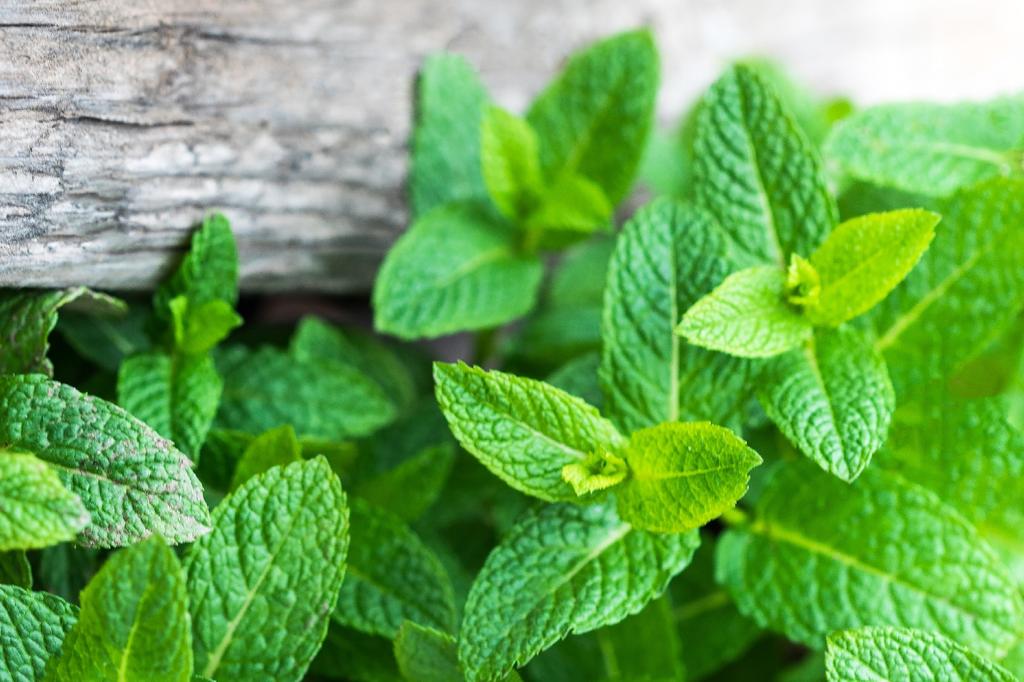
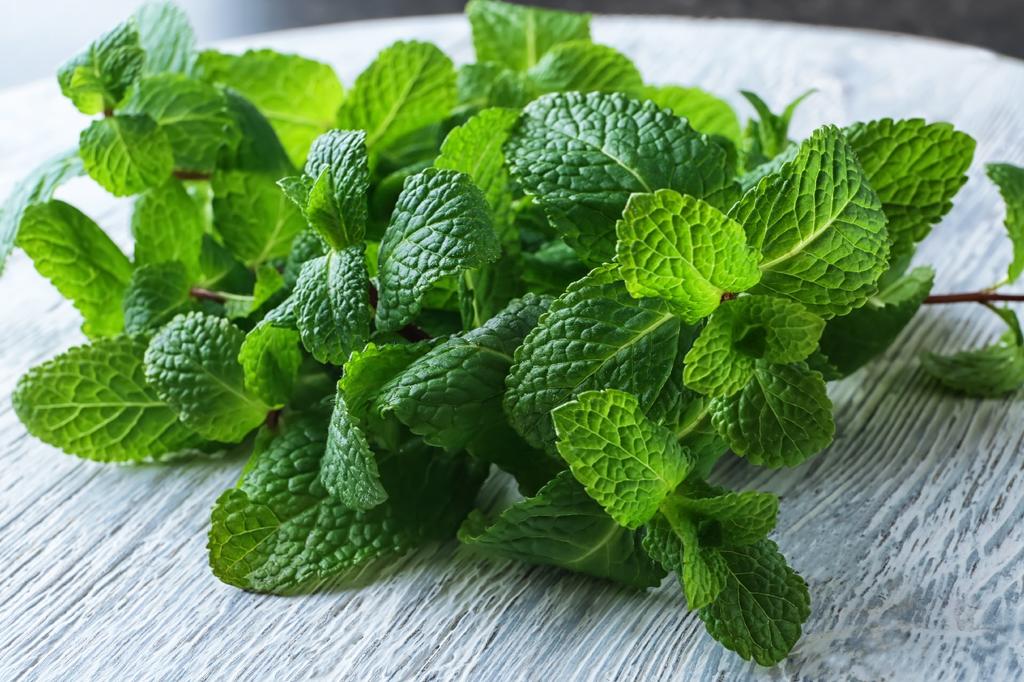


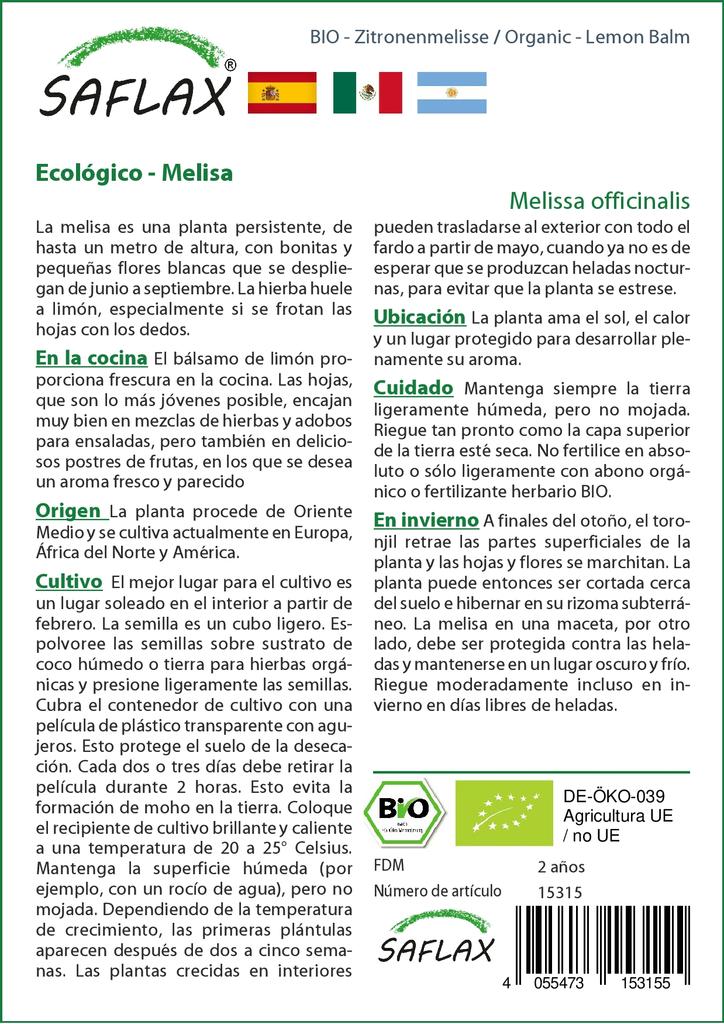
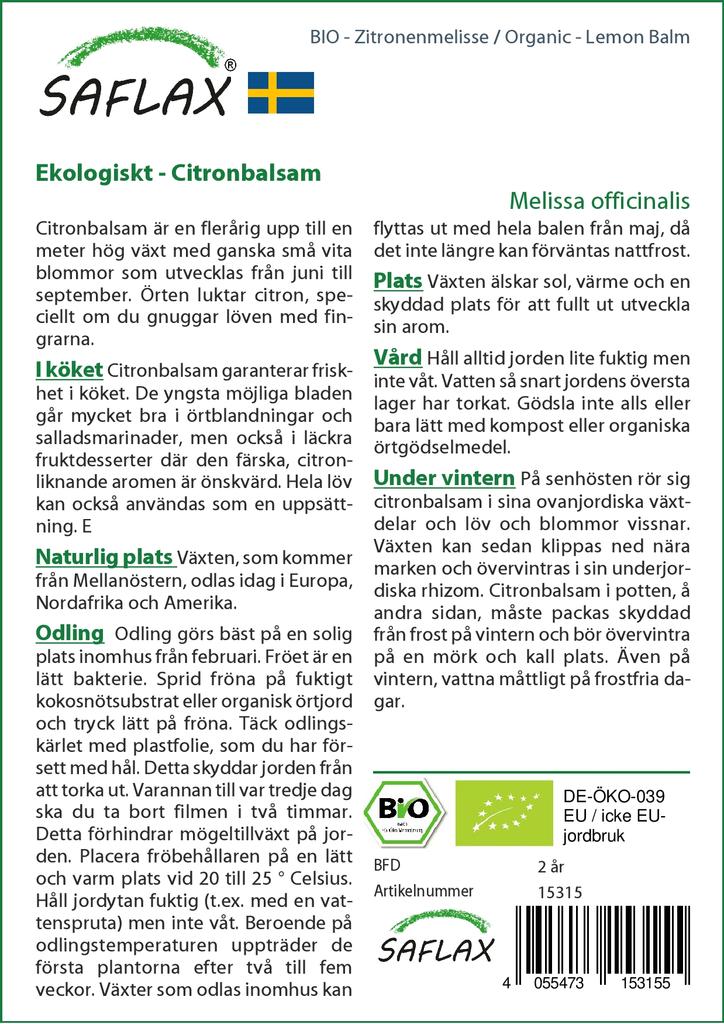
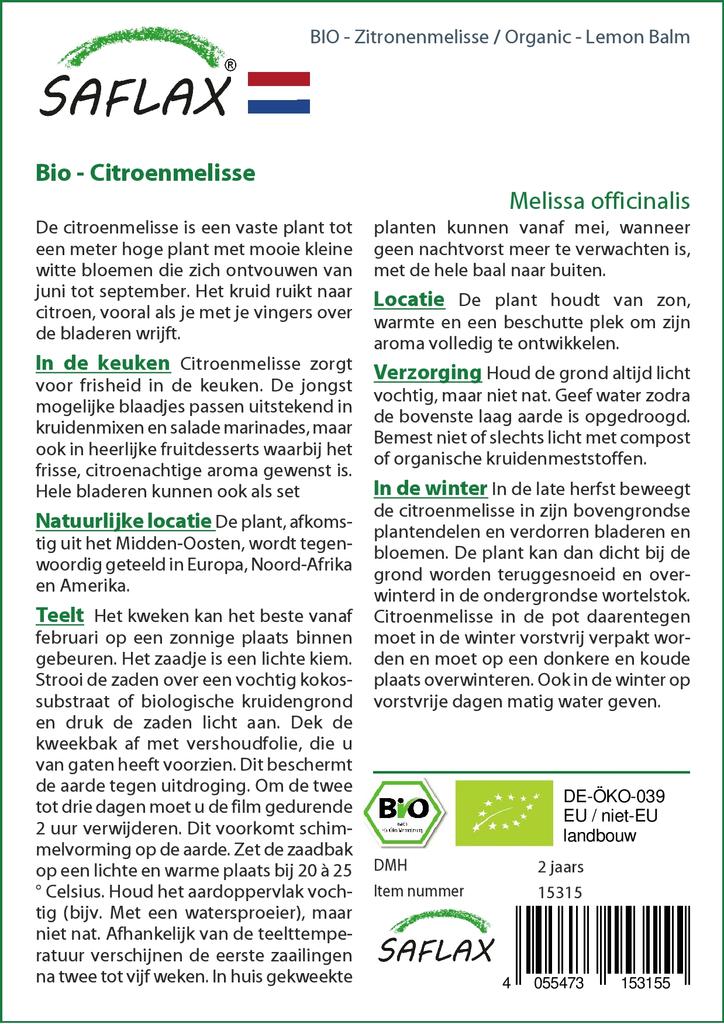


SAFLAX - Garden in the Bag - Organic - Lemon Balm - 1000 seeds - With substrate in a fitting stand up bag - Melissa officinalis
- Pre-cut Fabric Handmade Patchwork Mouse Kit with Guidance Patchwork Mouse Pendant Women
- New creative ring watch, a cute quartz finger watch for women and students. It features a colorful dial,
- Day Release Patient Number Graphic T-Shirt Funny Retro Quote
- Air Jordan 1 Low ALT PreSchool 'Old School Gaming' (Unisex) White / Black / Lemon Venom / Rush Pink Kids' Basketball Shoes DM8970 114
- VARIVAS Special Trolling Line 1000m 80lb Flash Green Nylon Line I.G.F.A.
- Within Temptation Band T-Shirt Heart Of Everything Black Unisex S-5XL
- Striped Knit Sweatshirt for Women Autumn Winter Casual
- The Apothecary Diaries (1) Office Rug Elegant Floor Rug for Office Living Room Bedroom and Indoor Home Spaces
- For OnePlus Watch 3 2 2R OPPO Watch X2 Mini/4 Pro/3 Pro/3/2/SE Charger Dock Magnetic USB/Type-C Charging Base Keychain Accessory
- World Peach Face Sister Same Style Wakemake Two-Tone Blush Shimmer Matte Gloss 0302 Expansion Pink Two-Color

 מוצר מגרמניה


 החזר על אי אספקהאחריות על איכותלוגיסטיקה בטוחההגנת פרטיות
תיאור


שאלות נפוצות
- אילו אמצעי תשלום זמינים ב-Joom?Joom תומכת במגוון רחב של שיטות תשלום מקומיות ובינלאומיות לקונים אירופאים, כולל כרטיסי חיוב ואשראי (ויזה, מאסטרקארד, מאסטרו), PayPal, Apple Pay ו-Google Pay, בנוסף לאפשרויות ייחודיות למדינה כמו Klarna, BLIK, Multibanco, MB WAY, SEPA ו-Giropay. האפשרויות הזמינות מוצגות בקופה ומשתנות לפי מדינה.
- האם אני יכול לשלם עבור רכישה יקרה בתשלומים או מאוחר יותר?כן, שירותי "קנה עכשיו, שלם אחר כך" כמו Klarna ו-Scalapay זמינים עבור רכישות בעלות ערך גבוה יותר, בהתאם למדינה שלך, סכום ההזמנה ותנאי הספק.
- האם אני יכול לעקוב אחרי ההזמנה שלי?כן. ניתן לעקוב אחר סטטוס המשלוח באפליקציית Joom או באתר האינטרנט, והוא יתעדכן ככל שהחבילה מתקדמת.
- מה קורה אם ההזמנה שלי לא מגיעה?כל הזמנה מכוסה באחריות אספקה של Joom. אם ההזמנה שלך לא מגיעה עד תאריך אחריות המשלוח המוצג בפרטי ההזמנה שלך, פנה לתמיכת Joom ואנחנו נבצע החזר כספי מלא.
- האם בטוח לשלם ב-Joom?כן. Joom משתמשת במערכת תשלום מאובטחת, והמוכר לא משלם עד שתקבל את ההזמנה שלך, מה שמוסיף שכבת הגנה נוספת לרכישה.
- מה אם ההזמנה שלי לא תגיע או שהמוצר לא יהיה כמו שציפיתי?אם ההזמנה שלך לא הומצאה, הגיעה פגומה, או שאינה תואמת את התיאור שלה, פנה לתמיכה של Joom - החזר כספי מלא יכול להתבצע במקרים אלה.
- איך לבקש החזר כספי?פתח את עמוד ההזמנה הרלוונטי וצור קשר עם צ'אט התמיכה, הזמין באתר ובאפליקציית Joom. תאר את הבעיה ועקוב אחר הוראות התמיכה.
ביקורות 30
קניתי את SAFLAX - Garden in the Bag - Organic - Lemon Balm - 1000 seeds - With substrate in a fitting stand up bag - Melissa officinalis ושילמתי דרך Klarna, מה שגרם לקנייה להרגיש ממש נוחה ובטוחה. הפריט הגיע תוך כשבועיים והיה בדיוק כמו שהוצג.
קניתי את SAFLAX - Garden in the Bag - Organic - Lemon Balm - 1000 seeds - With substrate in a fitting stand up bag - Melissa officinalis ושילמתי באמצעות Klarna, וזה היה מאוד נוח. הפריט הגיע תוך כשבועיים והתאים בול לתמונות.
הזמנתי את SAFLAX - Garden in the Bag - Organic - Lemon Balm - 1000 seeds - With substrate in a fitting stand up bag - Melissa officinalis וחוויית המשלוח הייתה מצוינת. יכולתי לראות איפה החבילה שלי נמצאת באפליקציה, מה שגרם לכל התהליך להרגיש הרבה יותר בטוח.
הזמנתי את SAFLAX - Garden in the Bag - Organic - Lemon Balm - 1000 seeds - With substrate in a fitting stand up bag - Melissa officinalis ואני מאוד מרוצה. המוצר תואם לתמונות, האיכות טובה, והוא הגיע בפחות משלושה שבועות.
הזמנתי את SAFLAX - Garden in the Bag - Organic - Lemon Balm - 1000 seeds - With substrate in a fitting stand up bag - Melissa officinalis והצלחתי לעקוב אחרי החבילה לאורך כל המשלוח. הוא הגיע אחרי כשלושה שבועות והמוצר התאים מאוד היטב לתמונות.
הזמנתי את SAFLAX - Garden in the Bag - Organic - Lemon Balm - 1000 seeds - With substrate in a fitting stand up bag - Melissa officinalis והוא הגיע תוך כ-2–3 שבועות. המוצר נראה בדיוק כמו בתמונות ומרגיש איכותי בעשייתו.
קיבלתי את SAFLAX - Garden in the Bag - Organic - Lemon Balm - 1000 seeds - With substrate in a fitting stand up bag - Melissa officinalis ואני מרוצה מהרכישה. הוא הגיע תוך 2–3 שבועות ונראה בדיוק כמו בתמונות המוצר.
קיבלתי את SAFLAX - Garden in the Bag - Organic - Lemon Balm - 1000 seeds - With substrate in a fitting stand up bag - Melissa officinalis ואהבתי כמה שקוף היה תהליך המשלוח. יכולתי לעקוב אחרי ההזמנה שלי באפליקציה והפריט הגיע בדיוק כפי שציפיתי.
קיבלתי את SAFLAX - Garden in the Bag - Organic - Lemon Balm - 1000 seeds - With substrate in a fitting stand up bag - Melissa officinalis וזה היה בדיוק מה שקיוויתי לו. המשלוח ארך כשבועיים ויכולתי לעקוב אחרי כל עדכון באפליקציה.
קיבלתי את SAFLAX - Garden in the Bag - Organic - Lemon Balm - 1000 seeds - With substrate in a fitting stand up bag - Melissa officinalis ושילמתי דרך Klarna, מה שנתן לי תחושת ביטחון נעימה. המשלוח היה מהיר והפריט הגיע במצב מצוין.
קיבלתי את SAFLAX - Garden in the Bag - Organic - Lemon Balm - 1000 seeds - With substrate in a fitting stand up bag - Melissa officinalis והכל היה בדיוק כפי שתואר. הוא הגיע בשלמותו אחרי כשלושה שבועות והאיכות טובה יותר משציפיתי.
קניתי את SAFLAX - Garden in the Bag - Organic - Lemon Balm - 1000 seeds - With substrate in a fitting stand up bag - Melissa officinalis ולמרבה הצער החלטתי שאני רוצה החזר כספי. הבקשה הייתה ממש פשוטה, והכסף הוחזר כשעתיים לאחר האישור.
הזמנתי את SAFLAX - Garden in the Bag - Organic - Lemon Balm - 1000 seeds - With substrate in a fitting stand up bag - Melissa officinalis ואני מרוצה מהרכישה שלי. המוצר באיכות טובה ונראה בדיוק כמו בתמונות, בעוד שהמשלוח ארך רק כ-2–3 שבועות.
הזמנתי את SAFLAX - Garden in the Bag - Organic - Lemon Balm - 1000 seeds - With substrate in a fitting stand up bag - Melissa officinalis והכל התנהל כמצופה. אהבתי שיכולתי לעקוב אחרי סטטוס המשלוח ישירות באפליקציה, והחבילה הגיעה תוך כשלושה שבועות.
קניתי את SAFLAX - Garden in the Bag - Organic - Lemon Balm - 1000 seeds - With substrate in a fitting stand up bag - Melissa officinalis והחוויה הכללית הייתה מעולה. שילמתי דרך Klarna והרגשתי בנוח לדעת שיש לי אפשרות תשלום קלה.
קיבלתי את SAFLAX - Garden in the Bag - Organic - Lemon Balm - 1000 seeds - With substrate in a fitting stand up bag - Melissa officinalis, אבל למרבה הצער זה לא היה מה שהייתי צריך, אז ביקשתי החזר כספי. התהליך היה קל מאוד וקיבלתי את הכסף כשעתיים לאחר שההחזר אושר.
קניתי את SAFLAX - Garden in the Bag - Organic - Lemon Balm - 1000 seeds - With substrate in a fitting stand up bag - Melissa officinalis והייתי מרוצה מכל החוויה. היה קל לעקוב אחרי המשלוח באפליקציה, והפריט הגיע תוך כשבועיים.
קיבלתי את SAFLAX - Garden in the Bag - Organic - Lemon Balm - 1000 seeds - With substrate in a fitting stand up bag - Melissa officinalis ואני מרוצה גם מהפריט וגם מהשירות. הכל היה קל להבנה, והמשלוח היה מהיר יותר משציפיתי.
קניתי את SAFLAX - Garden in the Bag - Organic - Lemon Balm - 1000 seeds - With substrate in a fitting stand up bag - Melissa officinalis והייתה לי חוויה ממש חלקה. השתמשתי ב-Klarna לתשלום, עקבתי אחרי ההזמנה באפליקציה, וקיבלתי את הפריט תוך כשבועיים.
קיבלתי את SAFLAX - Garden in the Bag - Organic - Lemon Balm - 1000 seeds - With substrate in a fitting stand up bag - Melissa officinalis וכל החוויה הרגישה אמינה ופשוטה. יכולתי לעקוב אחרי המשלוח שלי באפליקציה, והפריט הגיע בזמן ובדיוק כפי שתואר.
קניתי את SAFLAX - Garden in the Bag - Organic - Lemon Balm - 1000 seeds - With substrate in a fitting stand up bag - Melissa officinalis ואני ממש מרוצה מהאיכות. הוא הגיע תוך כשבועיים ונראה בדיוק כמו בתמונות.
הזמנתי את SAFLAX - Garden in the Bag - Organic - Lemon Balm - 1000 seeds - With substrate in a fitting stand up bag - Melissa officinalis וכל החוויה הייתה חלקה. המשלוח ארך כ-2–3 שבועות, והצלחתי לעקוב אחרי החבילה בקלות באפליקציה.
קיבלתי את SAFLAX - Garden in the Bag - Organic - Lemon Balm - 1000 seeds - With substrate in a fitting stand up bag - Melissa officinalis והופתעתי לטובה מהאיכות. הוא התאים בול לתמונות והגיע מהר יותר משציפיתי.
קיבלתי את SAFLAX - Garden in the Bag - Organic - Lemon Balm - 1000 seeds - With substrate in a fitting stand up bag - Melissa officinalis ואני מאוד מרוצה מהרכישה. האיכות טובה, הפריט נראה כמו בתמונות, והמשלוח היה מהיר באופן מפתיע.
הזמנתי את SAFLAX - Garden in the Bag - Organic - Lemon Balm - 1000 seeds - With substrate in a fitting stand up bag - Melissa officinalis ואני ממש מרוצה ממנו. איכות טובה, תמונות מדויקות ומשלוח מהיר עבור הזמנה בינלאומית.
הזמנתי את SAFLAX - Garden in the Bag - Organic - Lemon Balm - 1000 seeds - With substrate in a fitting stand up bag - Melissa officinalis והייתה לי חוויה מאוד חיובית. החבילה הגיעה תוך כשבועיים ואיכות המוצר הייתה ממש טובה.
קניתי את SAFLAX - Garden in the Bag - Organic - Lemon Balm - 1000 seeds - With substrate in a fitting stand up bag - Melissa officinalis והכל הרגיש בטוח מהתשלום ועד המשלוח. השתמשתי ב-Klarna והייתי מרוצה מכמה שהרכישה כולה הייתה קלה.
קניתי את SAFLAX - Garden in the Bag - Organic - Lemon Balm - 1000 seeds - With substrate in a fitting stand up bag - Melissa officinalis ותהליך ההחזר הכספי היה הרבה יותר קל משציפיתי. הגשתי את הבקשה בקלות וקיבלתי את ההחזר כשעתיים לאחר שהוא אושר.
הזמנתי את SAFLAX - Garden in the Bag - Organic - Lemon Balm - 1000 seeds - With substrate in a fitting stand up bag - Melissa officinalis ואני ממש מרוצה מהחוויה. הפריט הגיע תוך 2–3 שבועות ולא הייתה שום הבדל בין התמונות למוצר בפועל.
קניתי את SAFLAX - Garden in the Bag - Organic - Lemon Balm - 1000 seeds - With substrate in a fitting stand up bag - Melissa officinalis והאיכות מצוינת ביחס למחיר. הוא הגיע תוך כשבועיים ונראה בדיוק כמו באתר.


SAFLAX - Garden in the Bag - Organic - Lemon Balm - 1000 seeds - With substrate in a fitting stand up bag - Melissa officinalis בחנות המקוונת של Joom עם ביקורות אמיתיות של משתמשים. לקנות SAFLAX - Garden in the Bag - Organic - Lemon Balm - 1000 seeds - With substrate in a fitting stand up bag - Melissa officinalis במחיר מציאה
משלוחים ברחבי אירופה, חבר המדינות, ישראל ואוסטרליה
מבחר בינלאומי
החזרים כספיים להזמנות זכאיות ותמיכת לקוחות 24/7
הנחה על הרכישה הראשונה ללקוחות חדשים