
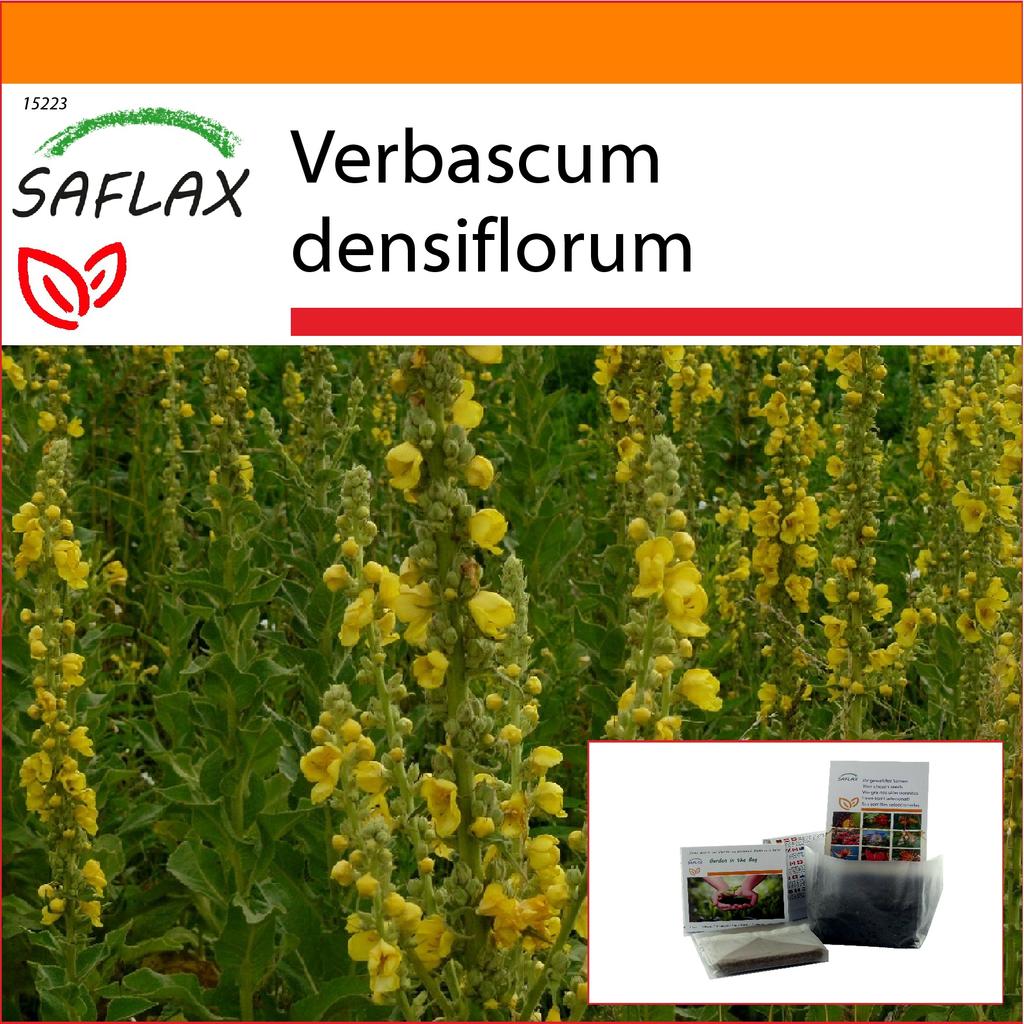


SAFLAX Tuin in de Zak - Grote Bloeiende Toorts - 500 zaden - Met substraat in een geschikte staande zak - Verbascum densiflorum
- Hurtin For A Squirtin Whale TShirt Gym Wear Breathable Short Sleeve Tee
- It's Line Dance Time Dancing Western Country T Shirt vintage Washed designer clothes Unisex Casual streetwear Soft
- Urinoir voor Mannen Lekkage Draagbaar Urinoir voor Mannen Plasfles 1200 ML Voor Thuis Auto Reizen
- Christmas Apple Box - Ornament for Desktop, Peace Fruit Packaging, Holy Candy Storage, Christmas Eve Decoration
- Retro Luipaard Haarspelden Veerclip Kleurrijke Acetaat Haarclips voor Vrouwen Elegante Exquise Haarspelden Mode Haaraccessoires
- MELECHESH Emissaries T Shirt Ancient Art Tower Print for Premium Quality Cotton vintage Washed
- Op Ocean Vintage Pacific Ocean Beach Sun Palm Trees Retro Tee Shirt
- 10Pcs/Bag 0603 Diy Smd Lamp Wired Micro Litz Led Pre-Soldered Chip Wired 3V Railway Model Toy Light Diy Leads Wires 30Cm
- For BYD Leopard 8 Denza B8 Car C Pillar Decor Sticker Rear Window Black Panel Protector Exterior Modification
- JSDUN 8939 Women Watch Luxury Original Mechanical Watch Stainless Steel Waterproof Automatic Calendar Women Diamond Watch Clock

 Product uit Duitsland


 Niet geleverd, dan geld terugKwaliteitsgarantieSnelle en nette verzendingPrivacybescherming
Beschrijving


Veelgestelde vragen
- Welke betaalmethodes zijn er bij Joom?Als klant uit Europa kun je bij Joom betalen via verschillende betaalmethodes, zowel internationale, waaronder debet- en creditcards (Visa, Mastercard, Maestro), PayPal, Apple Pay en Google Pay, als landspecifieke, namelijk Klarna, BLIK, Multibanco, MB WAY, SEPA en Giropay. De beschikbare opties worden weergegeven bij het afrekenen en variëren per land.
- Kan ik een dure aankoop in termijnen of achteraf betalen?Ja, je kunt gebruik maken van 'koop nu, betaal later'-diensten zoals Klarna en Scalapay voor het aanschaffen van sommige producten waarbij de prijs wat hoger ligt. Dit hangt wel van je land, het aankoopbedrag en de voorwaarden van de betaaldienst af.
- Kan ik mijn pakket volgen?Ja. Je kunt de status van je pakket volgen in de Joom-app of op de website. Deze wordt bijgewerkt naarmate het pakket het transportproces doorloopt.
- Wat gebeurt er als mijn bestelling niet aankomt?Elke bestelling is gedekt door de leveringsgarantie van Joom. De gegarandeerde leverdatum staat vermeld in het besteloverzicht. Als je bestelling niet vóór deze datum aankomt, neem dan contact op met de klantenservice van Joom en we betalen het volledige aankoopbedrag terug.
- Is het veilig om bij Joom te betalen?Ja. Joom biedt veilige betaalmethodes en de verkoper krijgt pas betaald nadat je je bestelling hebt ontvangen. Dit zorgt voor meer consumentenbescherming.
- Als mijn bestelling niet aankomt of het product niet aan de verwachtingen voldoet, wat dan?Als je bestelling niet wordt geleverd, beschadigd aankomt of niet overeenkomt met de beschrijving, neem dan contact op met de klantenservice van Joom. In dergelijke gevallen krijg je het volledige aankoopbedrag terug.
- Hoe vraag ik mijn geld terug?Open de bestelpagina van het product waar het om gaat en neem contact met ons op via de website of de Joom-app. Beschrijf het probleem en volg de instructies van de klantenservice.
Reviews 30
Ik heb SAFLAX Tuin in de Zak - Grote Bloeiende Toorts - 500 zaden - Met substraat in een geschikte staande zak - Verbascum densiflorum gekocht en betaald met Klarna, wat het kopen echt handig en veilig liet aanvoelen. Het artikel kwam na ongeveer twee weken aan en was precies zoals afgebeeld.
Ik heb SAFLAX Tuin in de Zak - Grote Bloeiende Toorts - 500 zaden - Met substraat in een geschikte staande zak - Verbascum densiflorum gekocht en betaald met Klarna, wat heel handig was. Het artikel kwam na ongeveer twee weken aan en kwam perfect overeen met de foto's.
Ik heb SAFLAX Tuin in de Zak - Grote Bloeiende Toorts - 500 zaden - Met substraat in een geschikte staande zak - Verbascum densiflorum besteld en de bezorgervaring was geweldig. Ik kon in de app zien waar mijn pakket was, wat het hele proces veel veiliger liet aanvoelen.
Ik heb SAFLAX Tuin in de Zak - Grote Bloeiende Toorts - 500 zaden - Met substraat in een geschikte staande zak - Verbascum densiflorum besteld en ben zeer tevreden. Het product komt overeen met de foto's, de kwaliteit is goed, en het kwam in minder dan drie weken aan.
Ik heb SAFLAX Tuin in de Zak - Grote Bloeiende Toorts - 500 zaden - Met substraat in een geschikte staande zak - Verbascum densiflorum besteld en kon het pakket tijdens de hele levering volgen. Het kwam na ongeveer drie weken aan en het product kwam heel goed overeen met de foto's.
Ik heb SAFLAX Tuin in de Zak - Grote Bloeiende Toorts - 500 zaden - Met substraat in een geschikte staande zak - Verbascum densiflorum gekregen en alles was precies zoals beschreven. Het kwam veilig aan na ongeveer drie weken en de kwaliteit is beter dan ik had verwacht.
Ik heb SAFLAX Tuin in de Zak - Grote Bloeiende Toorts - 500 zaden - Met substraat in een geschikte staande zak - Verbascum densiflorum gekocht en heb helaas besloten dat ik toch een terugbetaling wilde. Erom vragen was heel simpel, en het geld werd ongeveer twee uur na goedkeuring teruggestort.
Ik heb SAFLAX Tuin in de Zak - Grote Bloeiende Toorts - 500 zaden - Met substraat in een geschikte staande zak - Verbascum densiflorum besteld en ben tevreden met mijn aankoop. Het product is van goede kwaliteit en ziet er precies uit als op de foto's, terwijl de levering maar ongeveer 2-3 weken duurde.
Ik heb SAFLAX Tuin in de Zak - Grote Bloeiende Toorts - 500 zaden - Met substraat in een geschikte staande zak - Verbascum densiflorum besteld en het kwam na ongeveer 2-3 weken aan. Het product ziet er precies uit als op de foto's en voelt goed gemaakt aan.
Ik heb SAFLAX Tuin in de Zak - Grote Bloeiende Toorts - 500 zaden - Met substraat in een geschikte staande zak - Verbascum densiflorum gekregen en ben blij met de aankoop. Het kwam binnen 2-3 weken aan en zag er precies uit als de productfoto's.
Ik heb SAFLAX Tuin in de Zak - Grote Bloeiende Toorts - 500 zaden - Met substraat in een geschikte staande zak - Verbascum densiflorum gekregen en vond het fijn hoe transparant het bezorgproces was. Ik kon mijn bestelling volgen in de app en het artikel kwam precies aan zoals verwacht.
Ik heb SAFLAX Tuin in de Zak - Grote Bloeiende Toorts - 500 zaden - Met substraat in een geschikte staande zak - Verbascum densiflorum gekregen en het was precies wat ik had gehoopt. De levering duurde ongeveer twee weken en ik kon elke update volgen in de app.
Ik heb SAFLAX Tuin in de Zak - Grote Bloeiende Toorts - 500 zaden - Met substraat in een geschikte staande zak - Verbascum densiflorum gekregen en betaald met Klarna, wat me een fijn gevoel van veiligheid gaf. De levering was snel en het artikel kwam in perfecte staat aan.
Ik heb SAFLAX Tuin in de Zak - Grote Bloeiende Toorts - 500 zaden - Met substraat in een geschikte staande zak - Verbascum densiflorum besteld en alles verliep zoals verwacht. Ik vond het fijn dat ik de bezorgstatus rechtstreeks in de app kon volgen, en het pakket kwam na ongeveer drie weken aan.
Ik heb SAFLAX Tuin in de Zak - Grote Bloeiende Toorts - 500 zaden - Met substraat in een geschikte staande zak - Verbascum densiflorum gekocht en had over het algemeen een geweldige ervaring. Ik heb betaald met Klarna en voelde me op mijn gemak met een makkelijke betaaloptie.
Ik heb SAFLAX Tuin in de Zak - Grote Bloeiende Toorts - 500 zaden - Met substraat in een geschikte staande zak - Verbascum densiflorum gekregen, maar helaas was het niet wat ik nodig had, dus heb ik om terugbetaling gevraagd. Het proces was heel eenvoudig en ik kreeg het geld ongeveer twee uur nadat de terugbetaling was goedgekeurd.
Ik heb SAFLAX Tuin in de Zak - Grote Bloeiende Toorts - 500 zaden - Met substraat in een geschikte staande zak - Verbascum densiflorum gekocht en was blij met de hele ervaring. De levering was makkelijk te volgen in de app, en het artikel kwam na ongeveer twee weken aan.
Ik heb SAFLAX Tuin in de Zak - Grote Bloeiende Toorts - 500 zaden - Met substraat in een geschikte staande zak - Verbascum densiflorum gekregen en ben blij met zowel het artikel als de service. Alles was makkelijk te begrijpen, en de levering was sneller dan ik had verwacht.
Ik heb SAFLAX Tuin in de Zak - Grote Bloeiende Toorts - 500 zaden - Met substraat in een geschikte staande zak - Verbascum densiflorum gekocht en had een heel soepele ervaring. Ik heb Klarna gebruikt om te betalen, de bestelling gevolgd in de app en het artikel na ongeveer twee weken ontvangen.
Ik heb SAFLAX Tuin in de Zak - Grote Bloeiende Toorts - 500 zaden - Met substraat in een geschikte staande zak - Verbascum densiflorum gekregen en de hele ervaring voelde betrouwbaar en eenvoudig. Ik kon mijn levering volgen in de app, en het artikel kwam op tijd en precies zoals beschreven aan.
Ik heb SAFLAX Tuin in de Zak - Grote Bloeiende Toorts - 500 zaden - Met substraat in een geschikte staande zak - Verbascum densiflorum gekocht en ben echt blij met de kwaliteit. Het kwam na ongeveer twee weken aan en zag er precies zo uit als op de foto's.
Ik heb SAFLAX Tuin in de Zak - Grote Bloeiende Toorts - 500 zaden - Met substraat in een geschikte staande zak - Verbascum densiflorum besteld en de hele ervaring verliep soepel. De levering duurde ongeveer 2-3 weken, en ik kon het pakket makkelijk volgen in de app.
Ik heb SAFLAX Tuin in de Zak - Grote Bloeiende Toorts - 500 zaden - Met substraat in een geschikte staande zak - Verbascum densiflorum gekregen en was aangenaam verrast door de kwaliteit. Het kwam perfect overeen met de foto's en kwam sneller aan dan ik had verwacht.
Ik heb SAFLAX Tuin in de Zak - Grote Bloeiende Toorts - 500 zaden - Met substraat in een geschikte staande zak - Verbascum densiflorum gekregen en ben zeer tevreden met de aankoop. De kwaliteit is goed, het artikel ziet eruit zoals op de foto's, en de levering was verrassend snel.
Ik heb SAFLAX Tuin in de Zak - Grote Bloeiende Toorts - 500 zaden - Met substraat in een geschikte staande zak - Verbascum densiflorum besteld en ben er echt blij mee. Goede kwaliteit, kloppende foto's en snelle levering voor een internationale bestelling.
Ik heb SAFLAX Tuin in de Zak - Grote Bloeiende Toorts - 500 zaden - Met substraat in een geschikte staande zak - Verbascum densiflorum besteld en had een heel positieve ervaring. Het pakket kwam na ongeveer twee weken aan, en de productkwaliteit was echt goed.
Ik heb SAFLAX Tuin in de Zak - Grote Bloeiende Toorts - 500 zaden - Met substraat in een geschikte staande zak - Verbascum densiflorum gekocht en alles voelde veilig, van betaling tot levering. Ik heb Klarna gebruikt en was blij met hoe makkelijk de hele aankoop was.
Ik heb SAFLAX Tuin in de Zak - Grote Bloeiende Toorts - 500 zaden - Met substraat in een geschikte staande zak - Verbascum densiflorum gekocht en het terugbetalingsproces verliep veel makkelijker dan ik had verwacht. Ik heb het verzoek eenvoudig ingediend en de terugbetaling ongeveer twee uur na goedkeuring ontvangen.
Ik heb SAFLAX Tuin in de Zak - Grote Bloeiende Toorts - 500 zaden - Met substraat in een geschikte staande zak - Verbascum densiflorum besteld en ben echt blij met de ervaring. Het artikel kwam in 2-3 weken aan en er was geen verschil tussen de foto's en het daadwerkelijke product.
Ik heb SAFLAX Tuin in de Zak - Grote Bloeiende Toorts - 500 zaden - Met substraat in een geschikte staande zak - Verbascum densiflorum gekocht en de kwaliteit is uitstekend voor de prijs. Het kwam na ongeveer twee weken aan en ziet er precies zo uit als online.




SAFLAX - Tuin in de zak - Grootbloemige toorts - 500 zaden - Met substraat in bijpassend stazakje - Verbascum densiflorum — bestel goedkoop online bij Joom webshop
Beschikbare kleuren:
Kwaliteitsmaterialen:
Groot maatbereik:
Uitverkoop tot 70%!
Recensies voor vergelijkbare producten
Bezorging in heel Europa, het GOS, Israël en Australië
Een internationaal assortiment
Terugbetaling voor bestellingen die aan de voorwaarden voldoen en 24/7 klantenservice
Korting op de eerste aankoop voor nieuwe klanten