Svetainė nepalaiko jūsų naršyklės. Atnaujinkite naršyklę arba atsisiųskite kitą


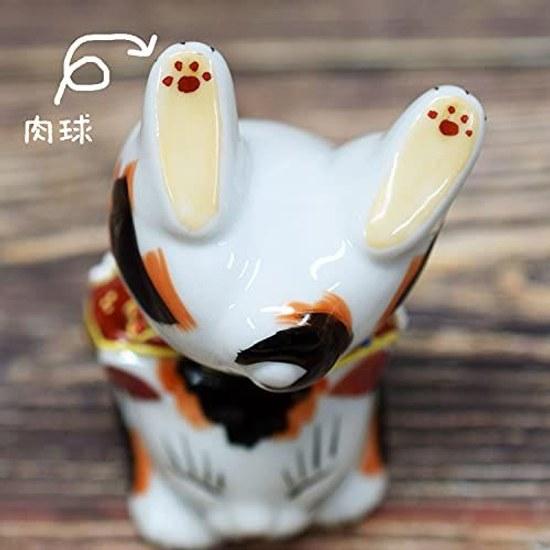
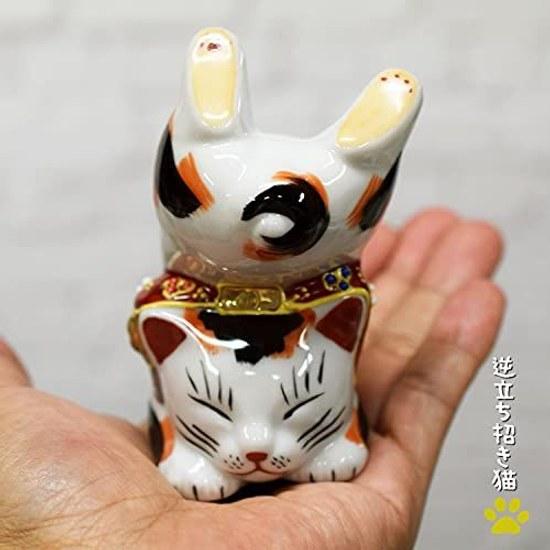

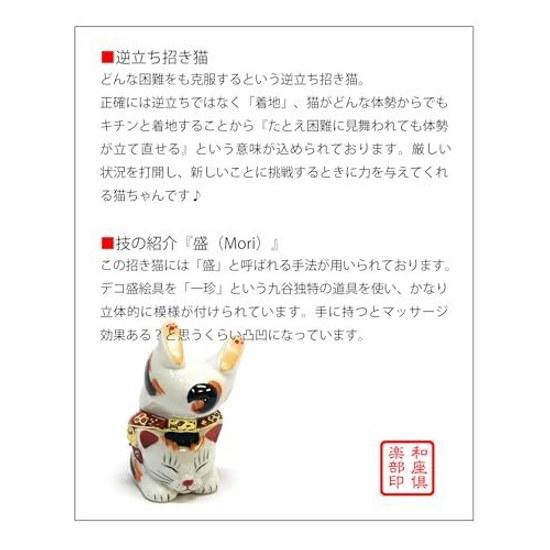
Kutani Ware Upside Down Lucky Cat Calico N-025F
Dabartinė kaina
Kaina 122 €su PVM
Įkeliama…
Įkeliama…
Įkeliama…
Įkeliama…
Įkeliama…
Įkeliama…
Įkeliama…
Įkeliama…
Įkeliama…
Įkeliama…
Įkeliama…
Įkeliama…
Įkeliama…
Įkeliama…
Įkeliama…
- the 1975 Customizable name outdoor blanket soft cozy and warm Multi-purpose office blanket outdoor camping and travel blanket all
- Vintažiniai 1956 m. vyriški marškinėliai su visomis originaliomis dalimis, 70-ojo gimtadienio dovana
- Elegant Womens Coat With Glitter Sequins For Office Casual Wear
- Bachelorette Bride Party Shot Glasses Necklace Cups Plastic Shot Glass On Beaded Necklace For Birthday Wedding
- Royal Rumbl Bedding Set Suitable For Dormitory Soft Fabric Christmas Gift
- Floral print long sleeved lapel shirt sage green autumn women's clothing elegance casual fashion seasonal ladies top versatile style for autumn
- Northrop Grumunisex Logo TShirt Personalized TShirt Plus Size Tops Unisexs Graphic TShirts Pack
- Men's Retro Loose Fit Distressed Long Sleeve Crewneck T-Shirt for Casual Wear
- Acrylic Wine Rack Tabletop Holder Modern Display Stand for Kitchen Counter Bar with Sleeking Geometric Design Horizontal Storage, Tabletop Wine Rack H
- Customization Shirt The Highwaymen T Shirt Highwayman Road Goes On Forever Silver Stallion Vintage Washed Breathable Graphic Cas

Pristatymas visoje Lietuvoje
0 d.d. · € 3 užsakymui
 Prekė iš Japonijos
Saugūs mokėjimai ir privatumo apsauga


 Grąžinimas dėl nepristatymoKokybės garantijaSaugus pristatymasPrivatumo apsauga
Sauga ir atitiktis
Aprašymas



Dažniausiai užduodami klausimai
- Kokie mokėjimo būdai yra prieinami Joom?Joom palaiko platų vietinių ir tarptautinių mokėjimo būdų pasirinkimą Europos pirkėjams, įskaitant debetines ir kredito korteles (Visa, Mastercard, Maestro), PayPal, Apple Pay ir Google Pay, taip pat šaliai būdingus variantus, tokius kaip Klarna, BLIK, Multibanco, MB WAY, SEPA ir Giropay. Pasiekiami pasirinkimai rodomi atsiskaitymo metu ir priklauso nuo šalies.
- Ar galiu brangų pirkimą apmokėti dalimis ar vėliau?Taip, kai kurie didesnės vertės pirkimai gali būti mokami pagal buy-now-pay-later paslaugas, pvz., Klarna ir Scalapay, atsižvelgiant į jūsų šalį, užsakymo sumą ir paslaugų teikėjo sąlygas.
- Ar galiu stebėti savo užsakymą?Taip. Galite stebėti jo pristatymo būseną Joom programėlėje arba svetainėje, atnaujinama, kai siunta juda.
- Ką daryti, jei mano užsakymas neatvyko?Kiekvienas užsakymas yra apdraustas Joom pristatymo garantija. Jei jūsų užsakymas nepasieks iki garantijos datos, nurodytos jūsų užsakymo informacijoje, kreipkitės į Joom pagalbą ir mes grąžinsime visą sumą.
- Ar saugu mokėti Joom?Taip. Joom naudoja saugią mokėjimo sistemą, o pardavėjui nemokama, kol negaunate savo užsakymo, tai suteikia papildomą apsaugos lygį pirkimui.
- Ką daryti, jei mano užsakymas neatvyko arba produktas neatitinka lūkesčių?Jei jūsų užsakymas nebuvo pristatytas, atvyko pažeistas arba neatitinka aprašymo, susisiekite su Joom pagalba — tokiu atveju gali būti išduotas visiškas grąžinimas.
- Kaip prašyti grąžinimo?Atidarykite atitinkamos užsakymo puslapį ir susisiekite su Pagalbos pokalbiu, kuris prieinamas svetainėje ir Joom programėlėje. Aprašykite problemą ir sekite pagalbos instrukcijas.
Panašios prekės


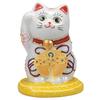


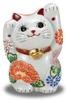


Kutani Ware Upside Down Lucky Cat Calico N-025F Joom internetinėje parduotuvėje su tikrais pirkėjų atsiliepimais. Pirkti Kutani Ware Upside Down Lucky Cat Calico N-025F palankia kaina.
Pristatymas visoje Europoje, NVS, Izraelyje ir Australijoje
Tarptautinis asortimentas
Pinigų grąžinimas už reikalavimus atitinkančius užsakymus ir klientų aptarnavimas visą parą
Nuolaida pirmajam naujų klientų pirkiniui